

College of Health Professions + Division of Physical Therapy
Is a DPT Worth the Investment? Understanding the Cost and Value of a Doctor of Physical Therapy
The Doctor of Philosophy in Health and Rehabilitation Science (Ph.D.) is an interdisciplinary doctoral program designed to prepare students to become leaders in research, education and health policy. With concentrations in Pathology and Impairment, Functional Limitations and Health Services, the program promotes cross-disciplinary collaboration and systems-level thinking to address complex health and rehabilitation challenges. The program cultivates team scientists capable of translating evidence into practice across diverse settings. The overarching objective is to develop scholars and educators who will expand and transform the field of health and rehabilitation science through innovative research, leadership and teaching excellence.
Spring 2027
Sep 1, 2026 - Nov 1, 2026
Fall 2027
Apr 10, 2027 - May 1, 2027 (March 1 for funding consideration)
Applications for Fall 2027 will open in April 2027. However, we strongly encourage interested applicants to reach out early to start discussions with the PhD program director.
Shape your research future through an individualized pathway grounded in theory, design, methods, analysis and grantsmanship, strengthened by professional growth and expert mentorship.
The Ph.D. in Health and Rehabilitation Science is an interdisciplinary doctoral program designed to prepare students to become leaders in research, education and health policy. With concentrations in Pathology and Impairment, Functional Limitations and Health Services, the program promotes cross-disciplinary collaboration and system-level thinking to address complex health and rehabilitation challenges. Given the interdisciplinary nature of the program, some overlap among concentration areas is expected and encouraged to foster integrated perspectives and collaborative approaches. The program cultivates team scientists capable of translating evidence into practice across diverse settings. The overarching objective is to develop scholars and educators who will expand and transform the field of health and rehabilitation science through innovative research, leadership and teaching excellence.
The program is structured to provide both breadth and depth in the field of Health and Rehabilitation Science, with the total number of semester hours determined by the student’s academic background at entry. The curriculum is designed to provide focused study in professional and research skills but with sufficient flexibility to meet individual academic and research goals.
There are four major areas which the program is structured around.
The curriculum is composed of four major areas:
The professional development core and the research core provide a foundation in academic scholarship, responsible conduct of research, and quantitative and qualitative methodologies. The concentration core is individually tailored to a student’s research interests and developed in close consultation with their primary mentor and the program director. Courses within the concentration core may include established courses, independent study courses, lab rotations, or special topics courses. These individualized plans reflect each student’s prior training and long-term goals. Most courses in the professional development core and the research core are housed in departments within the College of Health Professions (CHP). For concentration core courses, students may take courses within CHP as well as courses in other colleges and departments within MUSC. Courses outside of the Ph.D. program will require permission from the course instructor and the student’s academic advisor.
Requires a minimum of 90 credit hours organized as follows:
| Course ID | Course Title | Credits |
|---|---|---|
| HRS810 | Health & Rehabilitation Mode | 2 |
| HRS840 | Introduction to Biostatistics | 3 |
| HRS857 | Study Design | 2 |
| CORE | Concentration Core Courses | 1-4 |
| Semester Total | 7-11 | |
| Course ID | Course Title | Credits |
|---|---|---|
| HRS856 | Evidence Synthesis for Researchers | 3 |
| HRS820 | Statistical Methods for Rehab | 3 |
| CORE | Concentration Core Courses | 1-4 |
| Semester Total | 6-10 | |
| Course ID | Course Title | Credits |
|---|---|---|
| BMTRY724 | Design Conduct of Clin Trial | 3 |
| HRS858 | Mentorship and Teaching in Research | 2 |
| HRS800 | Introduction to Translational Research | 2 |
| CORE | Concentration Core Courses | 1-4 |
| Semester Total | 7-11 | |
| Course ID | Course Title | Credits |
|---|---|---|
| ETH738 | Seminars in Research Ethics | 1 |
| HRS811 | Fundamentals of Grant Writing | 3 |
| HRS855 | Qualitative Methods | 3 |
| HRS819 | Teaching Practicum in HRS | 1-4 |
| CORE | Concentration Core Courses | 3-4 |
| Semester Total | 8-15 | |
| Course ID | Course Title | Credits |
|---|---|---|
| HRS859 | Engaging Patients and Communities in Research | 1 |
| HRS819 | Teaching Practicum in HRS | 1-4 |
| CORE | Concentration Core Courses | 1-4 |
| Semester Total | 2-9 | |
| Course ID | Course Title | Credits |
|---|---|---|
| HRS819 | Teaching Practicum in HRS | 1-4 |
| CORE | Concentration Core Courses | 1-4 |
| Semester Total | 2-8 | |
| Course ID | Course Title | Credits |
|---|---|---|
| HRS990 | Dissertation | 2-3 |
| Semester Total | 2-3 | |
| Course ID | Course Title | Credits |
|---|---|---|
| HRS990 | Dissertation | 2-3 |
| Semester Total | 2-3 | |
| Course ID | Course Title | Credits |
|---|---|---|
| HRS990 | Dissertation | 2-3 |
| Semester Total | 2-3 | |
| Course ID | Course Title | Credits |
|---|---|---|
| HRS990 | Dissertation | 2-3 |
| Semester Total | 2-3 | |
| Course ID | Course Title | Credits |
|---|---|---|
| HRS990 | Dissertation | 1-3 |
| Semester Total | 1-3 | |
| Curriculum Total | 90 | |
Requires a minimum of 53 semester hours organized as follows:
| Course ID | Course Title | Credits |
|---|---|---|
| HRS856 | Evidence Synthesis for Researchers | 3 |
| HRS820 | Statistical Methods for Rehab | 3 |
| CORE | Concentration Core Courses | 1-4 |
| Semester Total | 6-10 | |
| Course ID | Course Title | Credits |
|---|---|---|
| BMTRY724 | Design & Conduct of Clin Trial | 3 |
| HRS858 | Mentorship and Teaching in Research | 2 |
| HRS800 | Introduction to Translational Research | 2 |
| CORE | Concentration Core Courses | 1-4 |
| Semester Total | 7-11 | |
| Course ID | Course Title | Credits |
|---|---|---|
| ETH738 | Seminars in Research Ethics | 1 |
| HRS811 | Fundamentals of Grant Writing | 3 |
| HRS855 | Qualitative Methods | 3 |
| HRS819 | Teaching Practicum in HRS | 1-4 |
| CORE | Concentration Core Courses | 3-4 |
| Semester Total | 7-15 | |
| Course ID | Course Title | Credits |
|---|---|---|
| HRS819 | Teaching Practicum in HRS | 1 |
| HRS859 | Engaging Patients and Communities in Research | 1-4 |
| CORE | Concentration Core Courses | 1-4 |
| Semester Total | 2-9 | |
| Course ID | Course Title | Credits |
|---|---|---|
| HRS819 | Teaching Practicum in HRS | 1-4 |
| CORE | Concentration Core Courses | 1-4 |
| Semester Total | 2-8 | |
| Course ID | Course Title | Credits |
|---|---|---|
| HRS990 | Dissertation | 2-3 |
| Semester Total | 2-3 | |
| Course ID | Course Title | Credits |
|---|---|---|
| HRS990 | Dissertation | 2-3 |
| Semester Total | 2-3 | |
| Course ID | Course Title | Credits |
|---|---|---|
| HRS990 | Dissertation | 2-3 |
| Semester Total | 2-3 | |
| Course ID | Course Title | Credits |
|---|---|---|
| HRS990 | Dissertation | 2-3 |
| Semester Total | 2-3 | |
| Course ID | Course Title | Credits |
|---|---|---|
| HRS990 | Dissertation | 1-3 |
| Semester Total | 1-3 | |
| Curriculum Total | 52 | |
Discover key information about application steps and required documentation to help you move forward with confidence.
All applicants must:
At MUSC, we actively support all students to ensure their success in both academic and clinical settings. To support this goal, the university outlines the essential qualities and functional abilities required for participation in its educational programs. These include a range of observational, communication, motor, intellectual and behavioral skills necessary for safe and effective practice.
The following process outlines how and when your materials will be reviewed.
To determine the likelihood of success, the admissions committee will review:
All information above must be received by the deadline to be considered for admission to the program. Without all materials, applicants will be incomplete. It is the applicant's responsibility to review the progress of their application to ensure that all application materials have been submitted. Applicants that have questions about the status of their applications can reach out to the PhD program Student Service Coordinator. Applications will be reviewed as they are received throughout the admissions cycle. Strong candidates will be invited to interview. Admission offers will be made on a rolling basis.
Funding decisions are made separate from admissions decisions. Department funding is typically only available for Fall admissions and is competitive. Funding directly from faculty mentors may be available throughout the year. Applicants with questions about funding should reach out to the Program Director. Funding offers may come at the time of an offer of admission or at a later date.
All information above must be received by the deadline to be considered for admission to the program. Without all materials, applicants will be incomplete. It is the applicant’s responsibility to review the progress of their application to ensure that all application materials have been submitted. Applications will be reviewed as they are received throughout the admissions cycle. Strong candidates will be invited to interview. Funding decisions for Fall semester will be made on April 1. Applicants are encouraged to submit applications by March 1 for strongest consideration. With program director approval, applicants may petition to start in the spring semester; however, no funding is available for spring semester starts.
The Ph.D. in Health and Rehabilitation Science program is able to admit international students requiring an F-1 visa. International students admitted into the program will be required to enroll in accordance with federal regulations.
MUSC welcomes international applicants and offers tailored guidance to support you throughout the admission process. View details at International Applicants.
Understand tuition, program costs and financial support for the Ph.D. in Health & Rehabilitation Science as you plan your path in rehabilitation science research.
Tuition and fees listed below apply to the 2026-27 academic year and are per semester unless otherwise noted.
| Fee Type | Fee |
|---|---|
| Application Fee (per application) | $100 |
| Matriculation Fee (upon applicant acceptance) | $500 |
| Tuition/Fee Type | Fall | Spring | Summer |
|---|---|---|---|
| In-State Tuition | $6,202 | $6,202 | $6,202 |
| Out-of-State Tuition | $6,569 | $6,569 | $6,569 |
| Program Fee | $150 | $150 | $150 |
The Cost of Attendance, or COA, estimates the total educational expenses for an enrollment period. The information below reflects the 2026-27 academic year. The COA includes direct costs, such as tuition and fees, billed by the university, as well as indirect costs you may need to plan for, including housing, food, transportation, books and other personal expenses.
The COA helps determine the maximum amount a student may borrow in an academic year and supports funding-related determinations, such as grants, scholarships, loans and others.
Your actual expenses may be lower than the COA, especially with careful budgeting. MUSC's Office of Student Financial Literacy can help you create a budget that supports your education, personal needs and long-term financial goals.
| Item | Year 1 | Year 2 | Year 3 | Year 4 | Est. Total |
|---|---|---|---|---|---|
| Direct Costs | |||||
| In-State Tuition | $18,606 | $18,606 | $18,606 | $18,606 | $74,424 |
| Out-of-State Tuition | $19,707 | $19,707 | $19,707 | $19,707 | $78,828 |
| Health Insurance | $4,000 | $4,000 | $4,000 | $4,000 | $16,000 |
| Fees | $750 | $750 | $750 | $750 | $3,000 |
| In-State Total Direct Costs | $23,356 | $23,356 | $23,356 | $23,356 | $93,424 |
| Out-of-State Total Direct Costs | $24,457 | $24,457 | $24,457 | $24,457 | $97,828 |
| Indirect Costs | |||||
| Living Expenses (Food and Housing) | $27,144 | $27,144 | $27,144 | $27,144 | $108,576 |
| Miscellaneous Personal Expenses | $2,880 | $2,880 | $2,880 | $2,880 | $11,520 |
| Transportation | $3,240 | $3,240 | $3,240 | $3,240 | $12,960 |
| Books, Course Materials, Supplies and Equipment | $5,360 | $2,860 | $1,360 | $1,360 | $10,940 |
| Total Indirect Costs | $38,624 | $36,124 | $34,624 | $34,624 | $143,996 |
| Estimated Total Costs | |||||
| In-State Total Costs | $61,980 | $59,480 | $57,980 | $57,980 | $237,420 |
| Out-of-State Total Costs | $63,081 | $60,581 | $59,081 | $59,081 | $241,824 |
| Item | Year 1 | Year 2 | Year 3 | Est. Total |
|---|---|---|---|---|
| Direct Costs | ||||
| In-State Tuition | $18,606 | $18,606 | $18,606 | $55,818 |
| Out-of-State Tuition | $19,707 | $19,707 | $19,707 | $59,121 |
| Health Insurance | $4,000 | $4,000 | $4,000 | $12,000 |
| Fees | $750 | $750 | $750 | $2,250 |
| In-State Total Direct Costs | $23,356 | $23,356 | $23,356 | $70,068 |
| Out-of-State Total Direct Costs | $24,457 | $24,457 | $24,457 | $73,371 |
| Indirect Costs | ||||
| Living Expenses (Food and Housing) | $27,144 | $27,144 | $27,144 | $81,432 |
| Miscellaneous Personal Expenses | $2,880 | $2,880 | $2,880 | $8,640 |
| Transportation | $3,240 | $3,240 | $3,240 | $9,720 |
| Books, Course Materials, Supplies and Equipment | $5,360 | $2,860 | $1,360 | $9,580 |
| Total Indirect Costs | $38,624 | $36,124 | $34,624 | $109,372 |
| Estimated Total Costs | ||||
| In-State Total Costs | $61,980 | $59,480 | $57,980 | $179,440 |
| Out-of-State Total Costs | $63,081 | $60,581 | $59,081 | $182,743 |
MUSC offers scholarships for which you may be eligible. Some are awarded based on academic achievement; others are awarded based on community service, for example. However, the majority of scholarships awarded at MUSC are based on financial need. This means that these scholarships are only awarded to students who need some financial assistance to cover the cost of tuition and fees. If you would like to be considered for a financial need-based scholarship, you must have an up-to-date Free Application for Federal Student Aid (FAFSA) on file. Make sure you list the Medical University of South Carolina on your FAFSA form, along with MUSC's code: 003438. We encourage you to submit your FAFSA as early as possible. It is recommended to submit your FAFSA in January if you plan to enroll in the fall.
Source: National Center for O*NET Development. (2025). O*NET Online. Retrieved July 26, 2026, from https://www.onetonline.org.
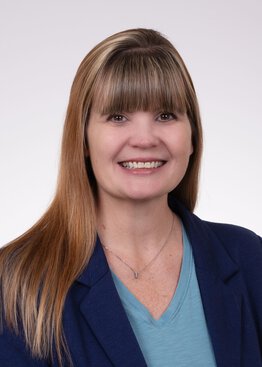
Sara Knox, PT, DPT, Ph.D., GCS, CEEAA, is an associate professor in the Department of Health Sciences and Research at the Medical University of South Carolina (MUSC). As a health services researcher and board-certified geriatric physical therapist, Dr. Knox specializes in utilizing health care data to explore disparities in access, quality, and outcomes of post-acute care services for individuals living with dementia. Her research aims to improve access and outcomes for individuals with dementia, with a particular focus on understanding how disease severity and functional limitations impact quality of life and health care delivery.
Dr. Knox earned her Doctor of Philosophy in Health Sciences from Nova Southeastern University, her Doctor and Master of Physical Therapy from Shenandoah University, and her Bachelor of Science from Ohio State University. She has been awarded three visiting scholar positions at the Center for Large Data Research in Rehabilitation, is an NIA-funded researcher, and has published and presented nationally and internationally.
Dr. Knox serves as the director of the Center for Health Data Innovation and Impact and as the division director of the Ph.D. in Health and Rehabilitation Sciences program. She also leads the TRIUMP lab, where her team aims to transform the lives of people living with dementia by reimaging healthcare through innovative health services research.
Yes, students will have completed a bachelor’s or graduate degree from an accredited institution prior to entering MUSC. A specific major is not required, but you should have a degree that provides background and preparation in the following areas: Functional Limitations, Pathology and Impairment and Health Services.
We accept up to six students each year.

Charleston offers a unique blend of coastal beauty and modern convenience. With top-rated dining, scenic waterfronts and endless outdoor activities, the city offers an unmatched quality of life for residents, striking a balance between work and leisure.
With its foundation in translational inquiry and ethical leadership, the program fosters health equity through mentored discovery.
The Ph.D. in Health and Rehabilitation Science program aims to prepare graduates to:
Upon completion of the Ph.D. in Health and Rehabilitation Science program, graduates will be able to:
To advance human health and function through rigorous scientific inquiry, interdisciplinary collaboration and the development of innovative solutions that address complex rehabilitation needs across diverse populations.
To generate and translate knowledge in health and rehabilitation science by fostering research excellence, ethical practice and integration of clinical and scientific expertise to improve health outcomes and quality of life.
At the core of our program, we are guided by a commitment to the following values that drive our mission:
Featured news and student accomplishments from the College reflect the impact of this program.
The Medical University of South Carolina is accredited by the Southern Association of Colleges and Schools Commission on Colleges (SACSCOC) to offer the Doctor of Philosophy in Health and Rehabilitation Science program. To learn more about MUSC’s accreditation and find contact details, please visit our Accreditation page.