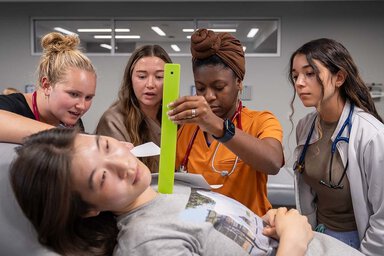

The Clinical Skills Lab is one of the most impactful and anticipated experiences in the Medical University of South Carolina (MUSC)’s Master of Science in Physician Assistant Studies (PAS) program. Designed to provide hands-on clinical training early in the curriculum, the lab prepares students for real-world patient care by practicing exams, learning procedures, and building confidence before stepping into clinical rotations.
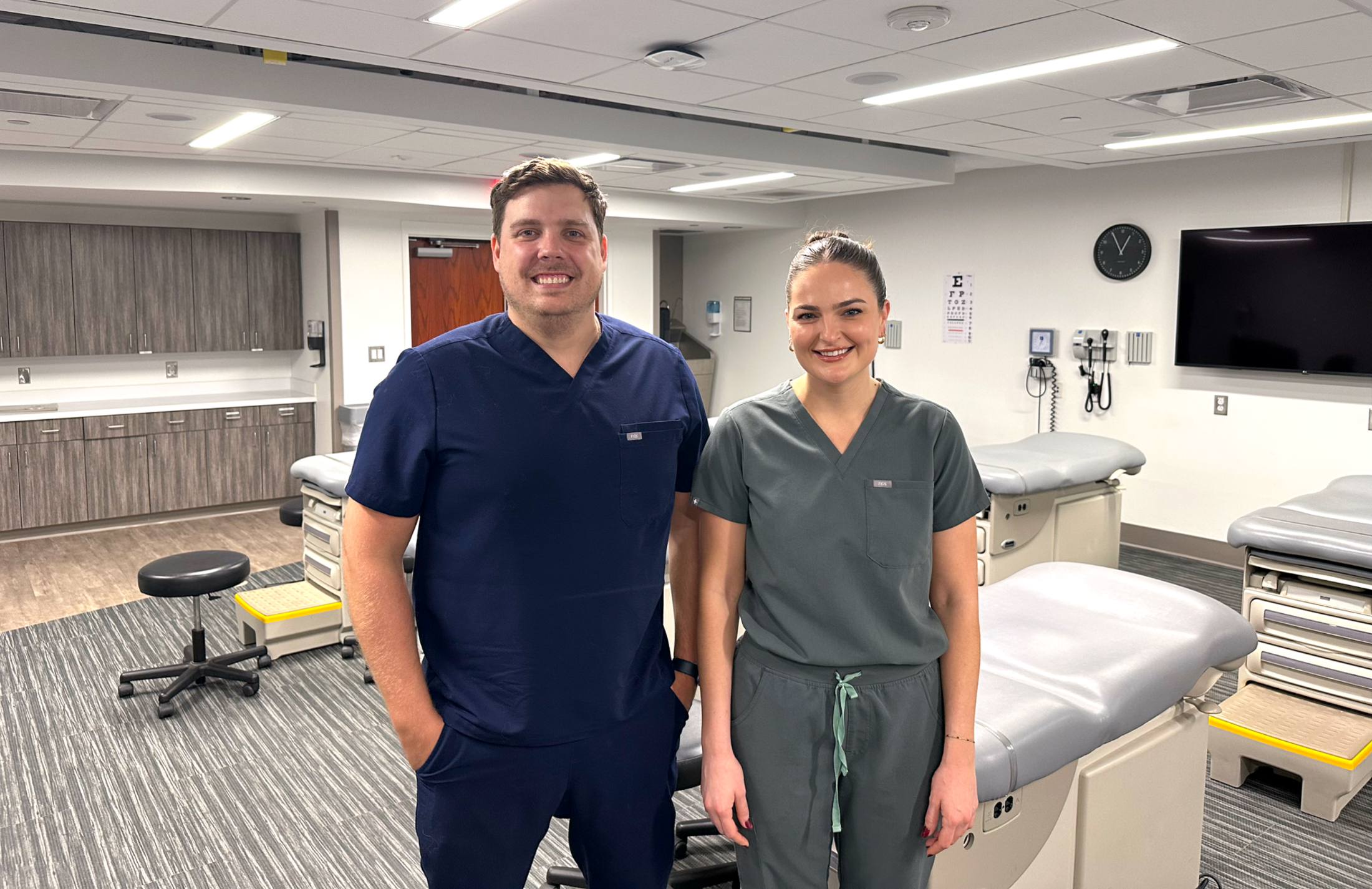
This year, the lab has entered an exciting new chapter with faculty members Lindsey White, PA-C, and Peter Wilson, PA-C, MPAS, MA-CP, as co-directors. Together, they bring complementary clinical experience, a shared commitment to student education, and a passion for creating supportive, skills-based learning environments.
Where classroom learning becomes clinical practice
The Clinical Skills Lab is where first-year PAS students begin applying classroom learning to patient-centered care. In small-group settings, students practice physical examinations and clinical procedures aligned with the body systems covered in their didactic coursework. From foundational exam techniques to procedures such as suturing, incision and drainage, and lumbar punctures, the lab provides a structured, supportive environment for building clinical competence.For many students, this course becomes a favorite part of the PAS curriculum because it bridges theory and practice. As White shared, “Clinical Skills was one of my favorite classes as a student, and it’s even more rewarding to teach. It’s where we really get to know students on a more personal level, watch their confidence grow, and see their skills develop over time. It’s also where students begin to see themselves not just as students, but as clinicians, which is exciting for both them and us.”
Building confidence before clinical rotations
One of the greatest benefits of the Clinical Skills Lab is the confidence it helps students build before they ever enter a clinical setting. By practicing skills in a supportive, low-pressure environment, students gain repeated exposure to essential clinical skills before working with real patients.This early hands-on experience helps students better transition into clinical sites, allowing them to focus on learning, clinical reasoning, and professional growth while providing patient care.
Two perspectives, one shared commitment to students
White and Wilson both come from emergency medicine backgrounds but bring different clinical experiences to the lab. That variety helps students see that there are multiple approaches to patient care—even within the same specialty.Having two co-directors also allows for more individualized instruction. With two faculty members leading the course, students benefit from increased one-on-one coaching, personalized feedback, and supportive mentorship throughout their clinical skills training.
What’s next for the Clinical Skills Lab
Building on a strong foundation, White and Wilson's initial priorities include keeping the curriculum aligned with evolving clinical practice standards and expanding opportunities for skills practice and feedback. One planned enhancement is offering optional open lab time, where students can practice skills they find challenging and receive individualized feedback.As Wilson explained, “Reading about it and actually doing it are two wildly different experiences. The goal for our lab is to make these experiences exciting and not terrifying for students as they grow into competent clinicians."
With two seasoned and skilled faculty members at the helm, the Clinical Skills Lab will continue to be a place where students build confidence, competence, and readiness for clinical practice.
Experience the difference hands-on, individualized training in MUSC’s Master of Science in Physician Assistant Studies (PAS) program can make.
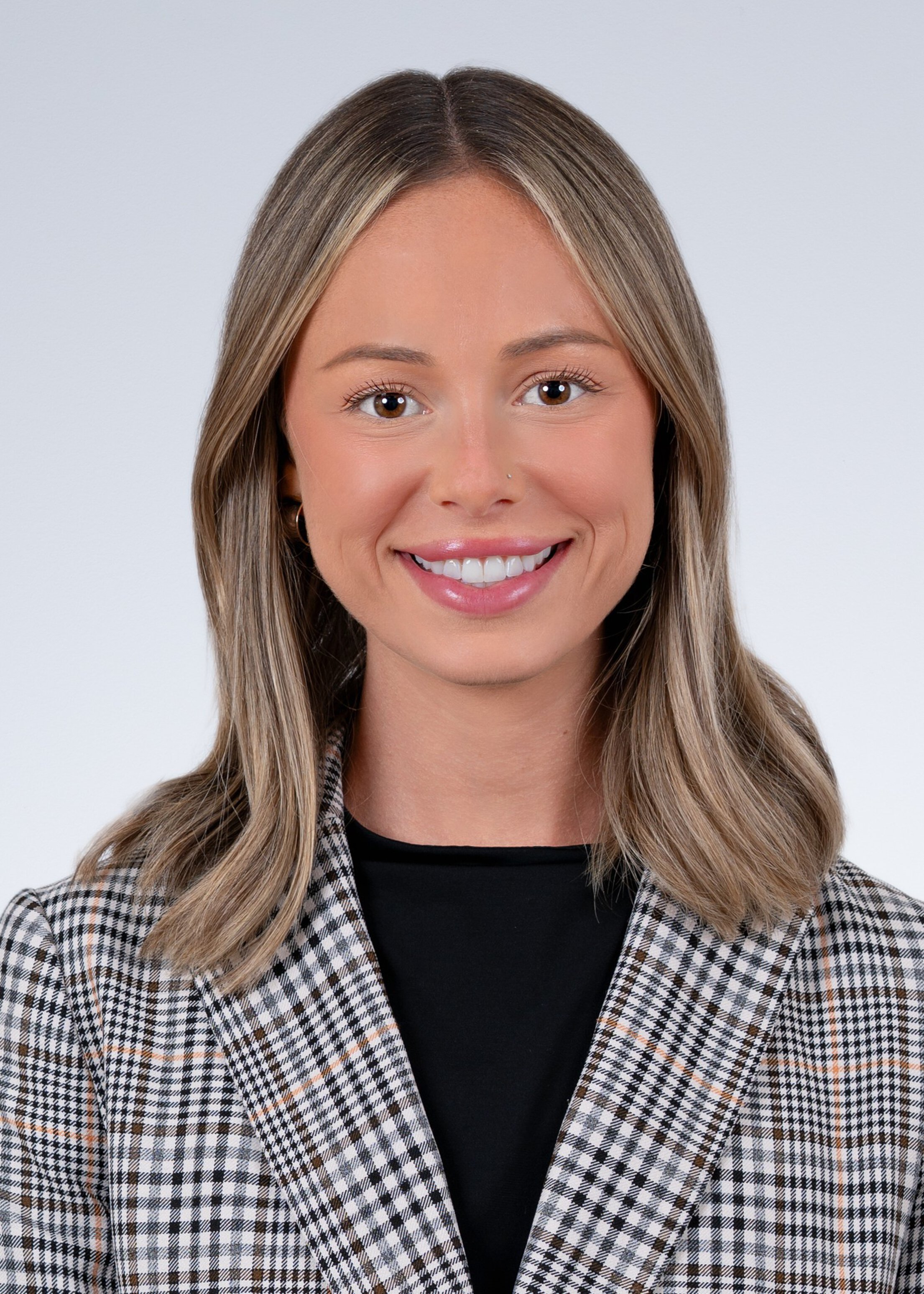
Katie Ennis
Recent Division of Physician Assistant Studies stories