
Every hospital has a person who notices.
She notices that the crash cart on 4 West is stocked differently than the one on 4 East. That the handoff sheet has a field nobody fills in. That the same near-miss happened in March, and again in June, and nobody connected them.
That person is almost never in the quality department. They are at the bedside, in the lab, or in the reading room. And when she asks how to do that work full time, how to turn noticing into a career, most of us have historically given her a vague answer about "getting into administration."
There is a better answer now, and it has a name: a master’s degree in healthcare quality and safety at MUSC.
What is Healthcare Quality and Safety?
Healthcare quality and safety sits at the intersection of healthcare quality improvement, patient safety, healthcare analytics and organizational leadership. At its core, the field focuses on helping healthcare organizations reduce preventable harm, improve outcomes and strengthen the systems that support patient care.
That's a simple definition, but it's important because many professionals are already doing pieces of this work every day without realizing there's an entire discipline built around it. These are the clinicians, allied health professionals and administrators who recognize that a recurring problem is rarely just a people problem.
More often, it's a systems problem.
It's still a relatively young credential, which means a lot of people who would thrive in these programs have never heard of them. It's also a field that's becoming increasingly important as healthcare organizations face growing pressure to improve outcomes, manage costs, navigate regulatory requirements and responsibly implement emerging technologies.
Clinical training teaches you to take excellent care of the patient in front of you. Healthcare quality and safety training teaches you to improve the environment in which every patient receives care.
Healthcare quality improvement is about understanding why systems produce the results they do and how those systems can be improved. Patient safety focuses on reducing preventable harm. Healthcare quality management helps organizations sustain those improvements over time.
The work draws on a specific and surprisingly technical body of knowledge: statistical process control, human factors engineering, implementation science, health services research and performance measurement.
It is not a soft degree.
If you've ever heard someone dismiss quality work as "the committee that makes the posters," they have not encountered a real one.
Who Is a Master’s in Healthcare Quality and Safety For?
A master’s in healthcare quality and safety is not limited to one profession or career path.
Bedside nurses may already participate in quality improvement initiatives, redesign workflows and identify opportunities to improve patient care.
Allied health professionals, including radiologic technologists, medical laboratory scientists and respiratory therapists, often have detailed knowledge of how healthcare processes operate because they work within those systems every day.
Public health professionals bring an understanding of populations, health outcomes and the social and structural factors that influence health.
Healthcare administrators can strengthen their ability to use data, evaluate performance and lead quality and safety initiatives across organizations.
Career changers with a bachelor's degree in another field may also find that their ability to analyze data, understand processes and solve complex problems translates well to healthcare quality and safety.
The field is broad by design. What matters is an interest in improving how healthcare is delivered and the willingness to understand the systems behind the work.
Why Choose MUSC for Healthcare Quality and Safety?
MUSC developed the Master of Science in Healthcare Quality and Safety program in response to the growing need for professionals who can lead quality and safety efforts in an increasingly complex healthcare environment.
Organizations are managing growing amounts of data while increasingly adopting AI and advanced analytics, creating a growing need for professionals who can leverage these tools to make informed decisions.
The degree also enhances the job experience for roles such as quality improvement officer, patient safety manager, risk manager, director of clinical quality, regulatory affairs specialist, accreditation coordinator, performance improvement consultant, and, further along, chief quality officer. Whether you’re a nurse, clinician or administrator looking to expand your impact, the program can help you develop the skills to add value to your organization and step into leadership roles.
As South Carolina’s only academic health center, MUSC brings an academic and clinical perspective to the program. The curriculum is designed around the opportunities and challenges healthcare organizations face every day, giving students the opportunity to apply quality and safety principles to real-world healthcare environments.
The program consists of 36 credit hours across 12 courses and is delivered fully online and asynchronously in seven-week terms. Students can complete the degree in as few as three semesters while working full time. Learn more about the curriculum and courses here.
The labor market context is also favorable. The U.S. Bureau of Labor Statistics projects employment for medical and health services managers to grow 24% from 2025 to 2035, much faster than the average for all occupations, with about 62,300 openings projected each year nationally. In South Carolina, employment in the field is projected to grow 28% from 2024 to 2034, with approximately 940 openings annually.
Explore the full curriculum, tuition, and admission requirements here.
One Last Thing
I've had a lot of conversations with people considering this degree, and the obstacle is almost never what they say it is.
It isn't time. It isn’t money. It isn’t the application.
It's a quiet suspicion that they're not the kind of person who does this.
That systems work belongs to someone with a different background, a different title, a more analytical brain.
If you're the person who notices, you're already doing the hardest part. The rest is training.
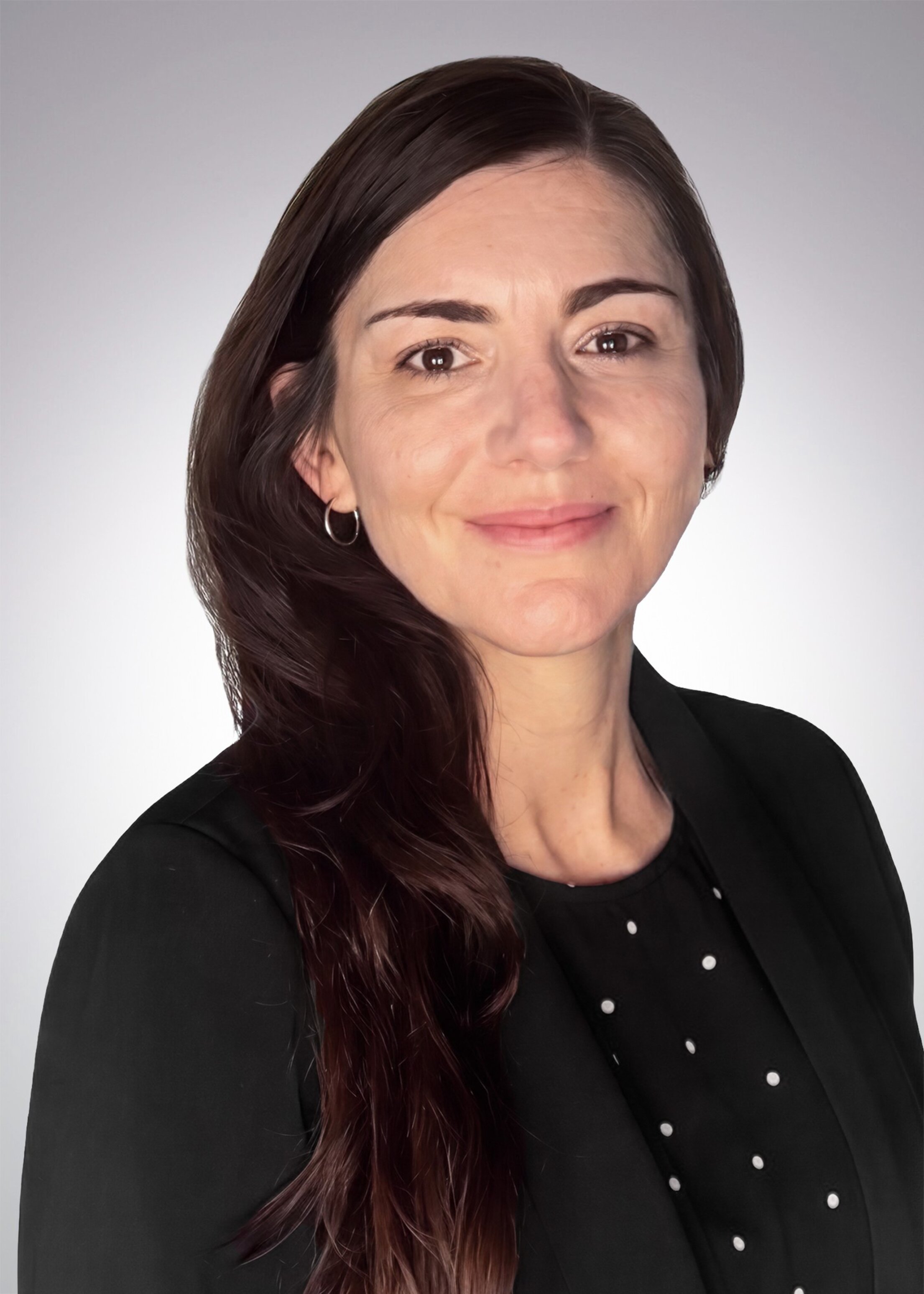
Ashley Parks
Director and Associate Professor, Master of Science in Healthcare Quality & Safety and Master of Science in Health Informatics Programs
Recent College of Health Professions stories