

Doctor of Nurse Anesthesia Practice - Post-Baccalaureate
book_2 Learning Mode: Residential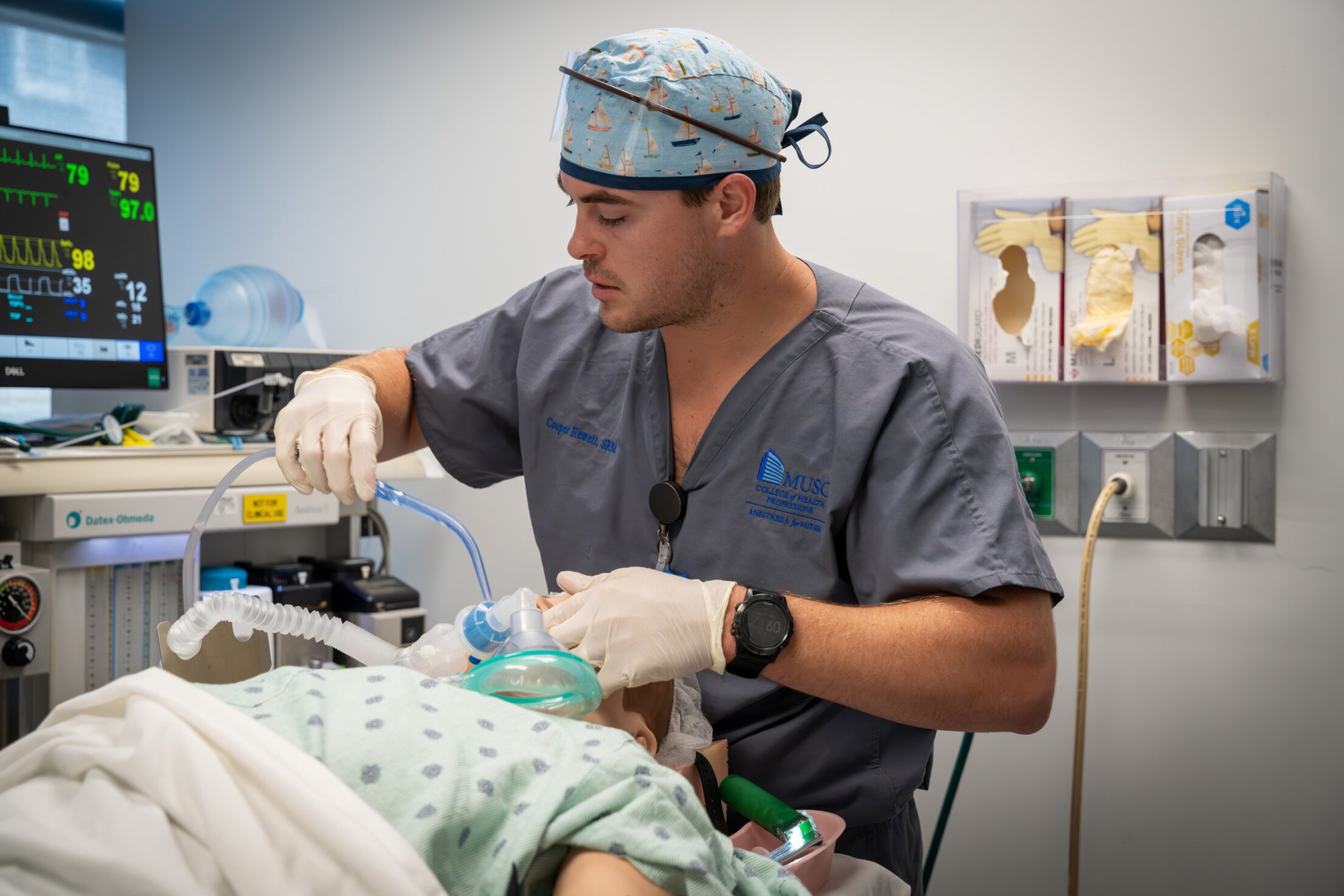
Program Overview
The Doctor of Nurse Anesthesia Practice – Post-Baccalaureate (DNAP) program builds on more than 50 years of excellence in nurse anesthesia education. Designed to prepare a certified registered nurse anesthetist (CRNA) for advanced clinical practice and leadership, our program combines classroom and simulation-based training with an immersive clinical experience across diverse practice settings. Students gain expertise in evidence-based care, advanced technology, regional anesthesia and professional advocacy. Through interprofessional collaboration and varied scholarly project options, graduates are equipped to deliver safe, compassionate anesthesia care and shape the future of the profession.
Application Timeline
Summer 2028
Opens: July 1, 2027
Final deadline: Sept. 15, 2027
Ranked
#20
nurse-anesthesia program
U.S. News & World Report, 2026
100%
employment
This is based on graduates seeking employment within six months of graduation.
97%
average first-time NCE pass rate
For 2025 graduates
99.5%
average overall NCE pass rate
Success you can measure
From national recognition to student satisfaction and real-world results, these numbers reflect the value and impact waiting for you in our program.
Learning Experience
Engage in immersive clinical and simulation-based education with expert faculty guiding your growth toward advanced practice and leadership in anesthesia care.
Inside the Program
The MUSC Doctor of Nurse Anesthesia Practice (DNAP) program is dedicated to producing competent, compassionate and knowledgeable certified registered nurse anesthetists (CRNAs) who will meet the health care needs of society through clinical practice, education and research.
Students are educated in all facets of nurse anesthesia practice throughout the perioperative period. The first 18 months are primarily online/classroom instruction that supports the students’ acquisition of basic and advanced anesthesia skills necessary for the safe administration of anesthesia. Students practice clinical skills using high-fidelity simulation. Students are expected to demonstrate professional advocacy through attendance at state and national meetings. During the next 18 months, students are immersed in the clinical area where they administer anesthesia to all types of patients and in all types of practice settings. Students are evaluated on their ability to integrate didactic knowledge into clinical practice, demonstrate critical thinking skills and appropriate interventions in patient management.
Through our variety of clinical sites, students have opportunities to administer anesthesia to complicated pediatric and adult patients in a large teaching hospital and to patients of all ages in community hospitals and rural independent CRNA practices. Students obtain extensive hands-on clinical experiences in administering many types of regional anesthesia.
The DNAP program offers a wide selection of course work from managing information systems to crisis simulation in anesthesia.
Through interprofessional collaboration, students in the DNAP program will have access to leaders in health care administration education and will attend classes with other non-nursing health care professionals. The variety of coursework and faculty backgrounds will support a wide variety of capstone project options.
Curriculum
The Doctor of Nurse Anesthesia Practice - Post-Baccalaureate curriculum consists of 118 credits and is designed to be completed in nine semesters. Below is the standard plan of study outlining the structured progression of coursework as you advance through the program.
Year 1, Summer
| Course ID | Course Title | Credits |
|---|---|---|
| AFN820 | Information Systems | 3 |
| AFN823 | Research Methods for Nurse Anest | 3 |
| AFN815 | Prof Issues Seminar | 1 |
| AFN817 | Chemistry and Physics of Anest | 2 |
| AFN811 | Principles of Evidence-based Practice | 3 |
| Semester Total | 12 | |
Year 1, Fall
| Course ID | Course Title | Credits |
|---|---|---|
| AFN819 | Human Anatomy for Nurse Anes | 5 |
| AFN821 | Adv Health and Phys Assessment | 3 |
| AFN800 | DNAP Seminar I | 2 |
| AFN825 | Advanced Physiology and Pathophysiology | 5 |
| Semester Total | 15 | |
Year 1, Spring
| Course ID | Course Title | Credits |
|---|---|---|
| AFN871 | Managing Change in Healthcare | 3 |
| AFN826 | Anesthesia Principles I | 3 |
| AFN831 | Clinical Simulation I | 2 |
| AFN802 | DNAP Seminar II | 2 |
| AFN861 | Foundations in Leadership | 3 |
| AFN835 | Advanced Pharmacology I | 3 |
| Semester Total | 16 | |
Year 2, Summer
| Course ID | Course Title | Credits |
|---|---|---|
| AFN832 | Clinical Simulation II | 2 |
| AFN805 | Teaching and Learning | 2 |
| AFN836 | Advanced Pharmacology II | 4 |
| AFN828 | Anesthesia Principles II | 5 |
| Semester Total | 13 | |
Year 2, Fall
| Course ID | Course Title | Credits |
|---|---|---|
| AFN830 | Anesthesia Principles III | 3 |
| AFN841 | Anesthesia Practicum I | 5 |
| AFN803 | DNAP Seminar III | 2 |
| AFN833 | Clinical Simulation III | 1 |
| Semester Total | 11 | |
Year 2, Spring
| Course ID | Course Title | Credits |
|---|---|---|
| AFN842 | Anesthesia Practicum II | 10 |
| AFN806 | Foundations in Healthcare Policy | 3 |
| Semester Total | 13 | |
Year 3, Summer
| Course ID | Course Title | Credits |
|---|---|---|
| AFN809 | Management Principles for Nurse Anesthesia Practice | 3 |
| AFN843 | Anesthesia Practicum III | 10 |
| Semester Total | 13 | |
Year 3, Spring
| Course ID | Course Title | Credits |
|---|---|---|
| AFN844 | Anesthesia Practicum IV | 10 |
| AFN807 | Principles of Pain Management | 2 |
| AFN813 | Clin Sim in Crisis Management | 1 |
| Semester Total | 13 | |
Year 3, Spring
| Course ID | Course Title | Credits |
|---|---|---|
| AFN845 | Anesthesia Practicum V | 10 |
| AFN804 | DNAP Seminar IV | 2 |
| Semester Total | 12 | |
| Curriculum Total | 118 | |
Clinical Education
Throughout the perioperative period of the post-baccalaureate DNAP program, students are educated in all facets of nurse anesthesia practice.
After completing their foundational learning, students participate in a series of 19 clinical rotations, each four to five weeks. During this time, students administer anesthesia to all types of patients—including complex pediatric and adult cases—in a variety of practice settings. Students gain extensive hands-on experience administering various types of regional anesthesia with ultrasound technology.
Our 39 clinical locations throughout South Carolina and Georgia range from Level 1 Trauma Centers to community hospitals to rural independent CRNA practices. We partner with our clinical sites to provide mentorship in major surrounding area trauma centers, rural medical centers and ambulatory centers.
Each clinical setting has student coordinators and instructors who serve as preceptors and role models for the student registered nurse anesthetist. Through their guidance and teaching, students are prepared to be autonomous, compassionate, competent and ethical entry-level nurse anesthetists.
| Site Name | Address | Distance from MUSC (miles) |
|---|---|---|
| MUSC Health Rutledge Tower | 135 Rutledge Avenue, Charleston, SC 29425 | 0.2 |
| MUSC Health University Medical Center | 169 Ashley Avenue, Charleston, SC 29425 | 0.4 |
| MUSC Health Ashley River Tower | 25 Courtenay Drive, Charleston, SC 29425 | 0.6 |
| MUSC Shawn Jenkins Children's Hospital | 10 McClennan Banks Drive, Charleston, SC 29425 | 0.6 |
| Ralph H. Johnson VA Medical Center | 109 Bee Street, Charleston, SC 29401 | 0.8 |
| MUSC Health West Campus | 2060 Sam Rittenberg Blvd, Charleston, SC 29407 | 6 |
| Bon Secours Saint Francis Hospital (West Ashley) | 2095 Henry Tecklenburg Drive, Charleston, SC 29414 | 8 |
| MUSC Children's Health R. Keith Summey Medical Pavilion | 2250 Mall Drive, North Charleston, SC 29406 | 10 |
| HCA Healthcare Trident Hospital |
9330 Medical Plaza Drive, North Charleston, SC 29406 |
18 |
| Trident Surgery Center | 9313 Medical Plaza Drive, North Charleston, SC 29406 | 18 |
| Summerville Medical Center | 295 Midland Parkway, Summerville, SC 29485 | 22 |
| HCA Healthcare Summerville Hospital |
295 Midland Parkway, Summerville, SC 29485 |
22 |
| Roper St. Francis Berkeley Hospital | 100 Callen Street, Summerville, SC 29486 | 24 |
| HCA Healthcare Colleton Hospital | 501 Robertson Boulevard, Walterboro, SC 29488 | 50 |
| Beaufort Memorial Hospital | 955 Ribault Road, Beaufort, SC 29902 | 70 |
| MUSC Health – Orangeburg | 3000 Saint Matthews Road, Orangeburg, SC 29118 | 78 |
| Tidelands Waccamaw Community Hospital | 4070 Highway 17 Bypass, Murrell's Inlet, SC 29440 | 84 |
| Coastal Carolina Medical Center | 1000 Medical Center Drive, Hardeeville, SC 29927 | 88 |
| Prisma Health Tuomey Hospital | 129 North Washington Street, Sumter, SC 29150 | 98 |
| Hilton Head Medical Center | 25 Hospital Center Boulevard, Hilton Head Island, SC 29926 | 100 |
| Conway Medical Center | 300 Singleton Ridge Road, Conway, SC 29526 | 102 |
| MUSC Health Florence Medical Center | 805 Pamlico Highway, Florence, SC 29505 | 110 |
| Lexington Medical Center | 2720 Sunset Boulevard, West Columbia, SC 29169 | 112 |
| McLeod Regional Medical Center | 555 East Cheves Street, Florence, SC 29501 | 112 |
| McLeod Health Loris |
3655 Mitchell Street, Loris, SC 29569 |
118 |
| MUSC Health Columbia Medical Center Downtown | 2435 Forest Drive, Columbia, SC 29204 | 121 |
| MUSC Health Columbia Medical Center Northeast | 120 Gateway Corporate Boulevard, Columbia, SC 29203 | 126 |
| Carolina Pines Regional Medical Center | 1304 West Bobo Newsom Highway, Hartsville, SC 29927 | 127 |
| McLeod Health Dillon | 301 East Jackson Street, Dillon, SC 29536 | 136 |
| MUSC Health Lancaster Medical Center | 800 West Meeting Street, Lancaster, SC 29720 | 165 |
| Southeast Georgia Health System | 2916 Glynn Avenue, Brunswick, GA 31520 | 175 |
| Bon Secours St. Francis Eastside |
125 Commonwealth Drive, Greenville, SC 29615 |
209 |
| Spartanburg Medical Center – Main Campus | 101 East Wood Street, Spartanburg, SC 29303 | 209 |
| Bon Secours St. Francis Downtown (Greenville) | One Saint Francis Drive, Greenville, SC 29601 | 215 |
| Prisma Health Greenville Memorial Hospital | 701 Grove Road, Greenville, SC 29605 | 217 |
| AnMed Medical Center | 800 North Fant Street, Anderson, SC 29521 | 225 |
| Anmed North Campus |
2000 E. Greenville Street, Anderson, SC 29621 |
233 |
| WellStar Spalding Regional Hospital | 601 S 8th Street, Griffin, GA 30224 | 300 |
| Phoebe Sumter Medical Center | 126 Highway 280 West, Americus, GA 31719 | 306 |
| Georgia Bone and Joint Surgery Center | 1755 Highway 34 East, Newnan, GA 30265 | 326 |
| City of Hope Cancer Center | 600 Celebrate Life Parkway, Newnan, SC 30265 | 328 |
| WellStar West Georgia Medical Center | 1514 Vernon Road, LaGrange, GA 30240 | 361 |
For Clinical Instructors
Become a Clinical Site
You can help prepare future nurse anesthetists and make an impact on our profession. MUSC’s Anesthesia for Nurses Program is always looking for new opportunities to provide clinical instruction for our students and establish new partnerships to prepare the next generation of our workforce. Instructors at our clinical sites serve as role models for the student and, through guidance and teaching, help students become autonomous, compassionate, competent and ethical entry-level nurse anesthetists.
We are currently seeking clinical sites for rotations in Cardiac, Pediatric and OB anesthesia.
If you are interested in becoming a clinical site, please contact Dennis McKenna, DNAP, APRN, CRNA via email at mckenna@musc.edu or by phone at 843-819-0972, or Beth Wilkes, DNAP, MNA, CRNA, CHSE, FAANA, at ebw207@musc.edu.
Resources
Simulation
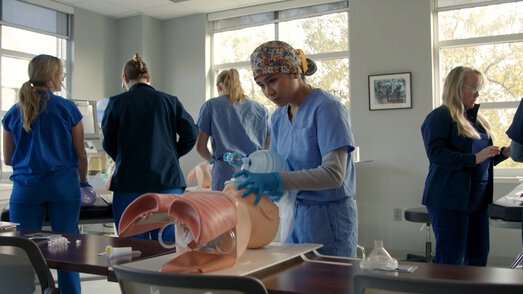
The Division of Anesthesia for Nurses has its own dedicated laboratory space, task trainers for all anesthesia airway and invasive skills and a high-fidelity mannequin within a simulated operating room. Students use the task trainers to learn basic airway management and eventually advance to practicing crisis situations in high-fidelity simulation. Throughout the program students have unlimited access to all task trainers so that they can practice skills at their convenience. Using small group instruction, students are given the opportunity to use their knowledge, develop skills, learn behaviors and work with equipment that is used in daily anesthesia practice.
Our program uses clinical simulation to teach hands-on skills and reinforce critical thinking throughout the curriculum. Simulation gives both novice and experienced students the opportunity to be trained in a variety of skills and be exposed to multiple patient scenarios, before advancing to their clinical training. Clinical simulation is taught over three of the seven semesters of the post-baccalaureate program and students are required to pass a skills assessment at the end of each semester before advancing to the next level.
Throughout the program, simulation curriculum is designed to parallel didactic content. As students advance through the programs, the focus of the simulations change from skill performance to critical thinking and the application of anesthesia didactic content. Scenarios and situations faced in simulation become more complex and students are required to work together within the high-fidelity simulator to manage cases and troubleshoot patient’s complications as they arise in real time. Crisis simulation is taught, exclusively using high-fidelity simulator, at the end of the post-baccalaureate program. The course trains students for situations that are infrequent yet significantly life threatening to patients such as malignant hyperthermia, anaphylaxis and hemorrhage.
Join a virtual information session
Join us to learn more about the program. During the sessions we discuss the program's curriculum, admissions requirements, the application process, and what sets MUSC apart from other universities.
Your path to admission
Discover key information about application steps and required documentation to help you move forward with confidence.
Eligibility Requirements
All applicants must:
- Possess a nursing degree of the baccalaureate-level or higher from a regionally accredited institution in the U.S. by the time of enrollment.
- Possess a minimum cumulative GPA of 3.0 (B) on a 4.0 scale. The cumulative GPA includes all college coursework taken at any degree level, including BSN and non-BSN coursework.
- Have taken the Graduate Record Exam (GRE) within the last five (5) years. A GRE is required for all applicants who have a cumulative GPA below 3.6. The GRE is waived for individuals who hold a master's or higher-level degree in any subject from a regionally accredited institution.
- Hold an unencumbered registered nurse (RN) license in the U.S.
- Have nursing experience in the critical care setting.
- Possess effective communication skills.
- Provide leadership and function as part of a health care team.
- Hold active certifications in Advanced Cardiovascular Life Support (ACLS) and Basic Life Support (BLS) at the time of application. Pediatric Advanced Life Support (PALS) is preferred if working in an appropriate setting. All matriculated students will take ACLS, BLS and PALS as a cohort during their first and third years.
- Have a minimum of one year of nursing experience in a critical care setting (e.g., CCU, ICU, MICU, NICU, PICU, SICU) at the time of application.
- Have shadowed a certified registered nurse anesthetist (CRNA) at the time of application. If assistance is needed, applicants may use the MUSC AFN Program CRNA Shadowing Resource.
The required prerequisite coursework at a regionally accredited institution does not have to be completed to apply but must be completed prior to matriculation. In-person and online courses are accepted.
Clinical & Cognitive Skills
Applicants must be able to perform the essential functions or tasks of an anesthetist using the following abilities:
Sensory
- Discriminate variations in human responses to disease using visual, auditory, tactile and other sensory clues.
- Discriminate changes in monitoring devices and alarms using visual and auditory senses.
- Communicate clearly and effectively in English through oral and written methods in order to interact with other health care providers and patients of all ages.
Motor
- Coordinate gross and fine motor movements and the senses of touch and vision required to safely provide all aspects of general, regional and monitored anesthesia care (MAC) and handle multiple patient needs.
- Perform tasks such as insertion of intravascular and intra-arterial access lines, administration of regional anesthetics, performance of airway management and timely response to in-house emergencies.
- Demonstrate sufficient physical strength to perform airway management and move or position patients and equipment.
- Possess sufficient stamina to stand or sit for prolonged periods.
- Safely maneuver the operating room and anesthetizing locations.
- Respond appropriately to alarms and changes in patient conditions requiring physical interventions.
Cognitive
- Use reason, analysis, calculations, problem-solving, critical thinking, self-evaluation and other learning skills to acquire knowledge, comprehend and synthesize complex concepts.
- Interpret auditory, written and visual data to determine appropriate anesthetic management plans.
- Apply theoretical knowledge to practice to provide safe anesthetic care.
Behavioral
- Demonstrate personal and professional ethical behavior, self-control, tactfulness, sensitivity, compassion, honesty, integrity, empathy and respect.
- Work flexibly and effectively in stressful and rapidly changing situations.
- Collaborate with other members of the health care team to ensure a therapeutic environment and safe patient care.
Non-Discrimination
This program does not discriminate on the basis of race, creed, nationality, origin, disability, religion, age, sexual orientation or sex/gender in its admissions or educational activities. Because of the nature and intensity of the work, all students are assessed individually based on their ability to meet the didactic and clinical requirements of the curriculum.
Credentials
- National Certification Examination administered by the National Board for Certification and Recertification of Nurse Anesthetists (NBCRNA).
Resources
Minimum Abilities
At MUSC, we actively support all students to ensure their success in both academic and clinical settings. To support this goal, the university outlines the essential qualities and functional abilities required for participation in its educational programs. These include a range of observational, communication, motor, intellectual and behavioral skills necessary for safe and effective practice.
Prerequisites
| Course | Credit Hours |
|---|---|
| Anatomy | 1 |
| General Chemistry | 1 |
| Statistics | 1 |
| Pharmacology** | 1 |
| Physiology | 1 |
| Organic Chemistry* | 1 |
| Pathophysiology* | 1 |
| Microbiology* | 1 |
* While not required, this course is highly recommended.
** Pharmacology coursework may be part of an integrated curriculum. A course syllabus is required from the institution where the prerequisite was taken, and it must match the semester and year shown on the transcript.
Advanced Placement and dual enrollment courses are accepted for prerequisite coursework.
Courses must have been completed in the last ten years (preferably within the last five years).
Frequently Approved Prerequisites
Before applying, it's essential to ensure that any prior coursework meets the admissions requirements. MUSC provides a helpful reference list of frequently approved prerequisite courses to guide applicants in understanding which classes may satisfy program requirements. To explore the list, visit our Frequently Approved Prerequisites page.
Application Process
The following process outlines how and when your materials will be reviewed.
- Complete the MUSC application.
- Submit all supplemental materials, if not included within the application.
- Once all materials have been received and verified, your application will be reviewed. Selected applicants will be contacted for an interview.
Application Requirements
- MUSC Application: All applicants must submit an MUSC application.
- Official transcripts from all institutions attended: Applicants are required to submit official transcripts from each post-secondary school attended, even if no degree was earned.
- Supplemental Materials: In addition to the application itself, the applicant must complete supplemental materials. These forms are sent via email once you submit your application and should be uploaded to the application portal.
- Anesthesia Clinical Shadowing Experience Log: This form is found within the application.
- Certifications: All applicants must provide a copy of active/current BLS and ACLS certifications. A copy of active/current PALS certification is preferred but not required.
- Graduate Record Exam (GRE): If applicable, applicants must provide official GRE scores.
- Letters of recommendation: All applicants must have three professional references complete the MUSC reference form found in the application. References should include a supervisor, a colleague and one additional professional reference of your choice.
- Personal statement: Applicants must submit a personal statement (maximum 1,000 words) answering two questions:
- Explain your reason for pursuing graduate study in nurse anesthesia, including future career goals.
- Identify a clinical problem you may investigate during your doctoral scholarly project, including proposed solutions and desired outcomes.
References are not required, but citations must be included if sources are used. Upload to the Documents section in the application portal and include your name and email address on the document.
- Nursing license: Applicants must provide a copy of their nursing license.
- Resume: Applicants must provide an updated resume including:
- Education, licensure and certification
- Current and past employment
- Volunteer/community service (with hours, location, contact and type of experience)
- Extracurricular, community, leadership and professional activities
- Professional memberships, committees and organizations
- Publications, research projects, academic honors or awards
Indicate a minimum of one-year full-time experience in a critical care setting (e.g., CCU, ICU, MICU, NICU, PICU) at the time of application and specify the unit type and exact dates (e.g., Seaside Hospital, MICU, Staff RN, Dec 97–Jan 99).
- TOEFL (if applicable): If English is not your native language and you have not studied within the United States, an official copy of your TOEFL scores is required.
All information above must be received by the deadline to be considered for admission. Without all materials, applicants will be considered incomplete. It is the applicant’s responsibility to monitor the progress of their application and ensure all materials have been submitted.
International Applicants
MUSC’s DNAP degree program is unable to admit international students requiring an F-1 visa. Applications will only be accepted from U.S. citizens, permanent residents, or those holding other valid nonimmigrant visa classifications that allow participation in lawful study while in the United States.Why MUSC is the right choice
Hear from current students about how MUSC provided the mentorship, resources and real-world experience to build confidence and competence in anesthesia practice.
About the AFN Program

Explore the MUSC College of Health Professions
Funding your path forward
Explore financial guidance, scholarship opportunities and cost transparency to support your journey in the Anesthesia for Nurses DNAP-PB program.
Tuition & Fees
Tuition and fees listed below apply to the 2026-27 academic year and are per semester unless otherwise noted.
| Fee Type | Fee |
|---|---|
| Application Fee (per application) | $100 |
| Matriculation Fee (upon applicant acceptance) | $500 |
Full-Time
| Tuition/Fee Type | Fall | Spring | Summer |
|---|---|---|---|
| In-State Tuition | $7,724 | $7,724 | $7,724 |
| Out-of-State Tuition | $13,597 | $13,597 | $13,597 |
| Program Fee | $1,600 | $1,600 | $1,600 |
Cost of Attendance
The Cost of Attendance, or COA, estimates the total educational expenses for an enrollment period. The information below reflects the 2026-27 academic year. The COA includes direct costs, such as tuition and fees, billed by the university, as well as indirect costs you may need to plan for, including housing, food, transportation, books and other personal expenses.
The COA helps determine the maximum amount a student may borrow in an academic year and supports funding-related determinations, such as grants, scholarships, loans and others.
Your actual expenses may be lower than the COA, especially with careful budgeting. MUSC's Office of Student Financial Literacy can help you create a budget that supports your education, personal needs and long-term financial goals.
| Item | Year 1 | Year 2 | Year 3 | Est. Total |
|---|---|---|---|---|
| Direct Costs | ||||
| In-State Tuition | $23,172 | $23,172 | $23,172 | $69,516 |
| Out-of-State Tuition | $40,791 | $40,791 | $40,791 | $122,373 |
| Fees | $4,800 | $4,800 | $4,800 | $14,400 |
| Health Insurance | $5,045 | $4,000 | $4,000 | $13,045 |
| In-State Total Direct Costs | $33,017 | $31,972 | $31,972 | $96,961 |
| Out-of-State Total Direct Costs | $50,636 | $49,591 | $49,591 | $149,818 |
| Indirect Costs | ||||
| Living Expenses (Food and Housing) | $27,144 | $27,144 | $27,144 | $81,432 |
| Miscellaneous Personal Expenses | $2,880 | $2,880 | $2,880 | $8,640 |
| Transportation | $3,240 | $3,240 | $3,240 | $9,720 |
| Books, Course Materials, Supplies and Equipment | $5,010 | $9,610 | $9,535 | $24,155 |
| Total Indirect Costs | $38,274 | $42,874 | $42,799 | $123,947 |
| Estimated Total Costs | ||||
| In-State Total Costs | $71,291 | $74,846 | $74,771 | $220,908 |
| Out-of-State Total Costs | $88,910 | $92,465 | $92,390 | $273,765 |
Scholarships & Aid
MUSC offers scholarships for which you may be eligible. Some are awarded based on academic achievement; others are awarded based on community service, for example. However, the majority of scholarships awarded at MUSC are based on financial need. This means that these scholarships are only awarded to students who need some financial assistance to cover the cost of tuition and fees. If you would like to be considered for a financial need-based scholarship, you must have an up-to-date Free Application for Federal Student Aid (FAFSA) on file. Make sure you list the Medical University of South Carolina on your FAFSA form, along with MUSC's code: 003438. We encourage you to submit your FAFSA as early as possible. It is recommended to submit your FAFSA in January if you plan to enroll in the fall.
Student Outcome Data
See proven results in clinical competency, certification success and employment outcomes that reflect the quality and impact of our residential curriculum.
Pass Rates & Attrition
The following table displays the first-time pass rate and overall pass rate of the NBCRNA NCE by graduates of the Doctor of Nurse Anesthesia Practice – Post-Baccalaureate program in comparison with the national pass rate. Additionally, it provides the attrition rate.
| Year | First-time Pass Rate | Overall Pass Rate | National Pass Rate | Attrition Rate |
|---|---|---|---|---|
| 3-Yr Avg (2023–2025) | 95% | 99% | 86% | 4.23% |
| 2026 | TBD | TBD | TBD | 6.25% |
| 2025 | 97% | 100% | 90.5% | 3.13% |
| 2024 | 96% | 100% | 89.3% | 3.3% |
| 2023 | 92% | 96% | 83.2% | 0% |
| 2022 | 96% | 100% | 83.4% | 0% |
| 2021 | 69% | 100% | 84.1% | 3.7% |
| 2020 | 82% | 100% | 85.2% | 0% |
Employment Rates
The following table displays the employment rate for graduates seeking employment within six months of graduation.
| Year | Employment Rate |
|---|---|
| Average | 100% |
| 2025 | 100% |
| 2024 | 100% |
| 2023 | 96% |
| 2022 | 100% |
| 2021 | 100% |
| 2020 | 100% |
Career Outlook
Source: National Center for O*NET Development. (2025). O*NET Online. Retrieved July 26, 2026, from https://www.onetonline.org.
Program Faculty
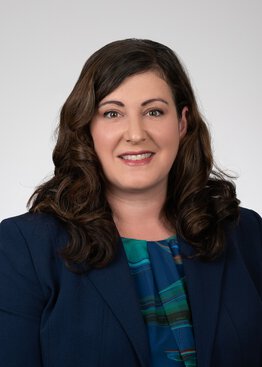
Angela Ciuca, Ph.D., DNAP, CRNA
Director and Assistant Professor, Division of Anesthesia for Nurses

Christine Coe, APRN, MHS, CRNA
Assistant Professor, Division of Anesthesia for Nurses
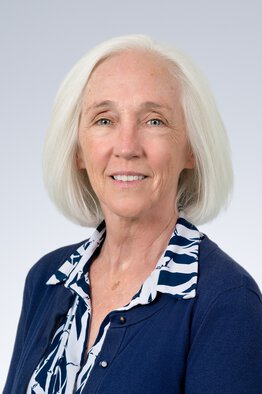
Catherine Horvath, DNP, CRNA
Assistant Director and Associate Professor, Division of Anesthesia for Nurses
Frequently Asked Questions
Learning Experience
DNAP students only share clinical rotations with physician anesthesiology residents at the MUSC clinical sites and at the Charleston Veterans Affairs Medical Center. The program has a diversified portfolio of clinical sites that allows students opportunities that may not be available at MUSC.
Yes. In addition to a very comprehensive didactic training that includes a human cadaver lab and a state-of-the-art simulation classroom, DNAP students gain hands-on neuraxial and peripheral regional anesthesia experiences at a variety of clinical sites. Students learn and perform regional anesthesia and analgesia. Examples of blocks that are personally performed include neuraxial, brachial plexus, lower extremity and truncal blocks.
Candidates for the degree of Doctor of Nurse Anesthesia Practice must achieve the following requirements and be recommended by the faculty.
- Complete all academic requirements as described in the AFN Administrative and Student Manual.
- Attend two nurse anesthesia professional meetings, which may include state, national, or a combination of both.
- Complete a scholarly project and disseminate the results.
- Obtain a passing score, as determined by the program, on the Self Evaluation Examination administered by the National Board for Certification and Recertification of Nurse Anesthetists (NBCRNA).
- Perform a minimum number of clinical cases and clinical skills as determined by the program. These minimums may exceed the requirements set by the NBCRNA.
The program admits up to 40 students per year. This number varies depending on the quality of the applicant pool. Only students who demonstrate high scholastic achievement, a strong clinical background and the commitment to become a certified registered nurse anesthetist (CRNA) are admitted.
Admissions
The program receives more than 200 applicants each year. Approximately 60 candidates are invited for in-person interviews.
No. Admission into the program is very competitive. All applications are reviewed and evaluated for critical care experience, GPA and GRE, leadership experiences, references, essays and other life experiences. The Admissions subcommittee invites the most qualified candidates of each application cohort to an in-person interview.
All interviews are conducted in person at the MUSC College of Health Professions. The interview day will include a description of the program, a tour of the campus and an interview during which the applicant will meet with several students, faculty members and the program administrator. The interview process will take 2-3 hours.
To be eligible, a candidate must have at least 1 year as a registered nurse in a critical care unit that includes, at a minimum, invasive hemodynamic monitoring, ventilator management and vasoactive infusions. Acceptable intensive care units include surgical, medical, cardiovascular, pediatric and neonatal critical care. Emergency Room and Post Anesthesia Recovery Units are not considered acceptable. The candidate must hold a Bachelor of Science in Nursing (BSN) degree from an accredited university as well as active certification in ACLS, BLS and PALS.
Admitted students have an average GPA of 3.5, 24 months of critical care nursing experience and have completed all prerequisite coursework. Most admitted students have served as clinical preceptors, charge nurses, unit committee chairs, or have other demonstrated engagement in the nursing profession.
Yes. If you retake a course, the highest grade is used to meet the prerequisite. To meet the prerequisite, the course needs to have a grade of C or higher. To calculate your cumulative GPA, MUSC will use all grades earned for any coursework.
No. We require that you shadow a CRNA.
Our student-run MUSC AFN Program CRNA Shadowing Resource is available to improve access to shadowing opportunities. We can assist in finding shadowing opportunities in South Carolina. Please complete this interest form.

Living in Charleston
Charleston offers a unique blend of coastal beauty and modern convenience. With top-rated dining, scenic waterfronts and endless outdoor activities, the city offers an unmatched quality of life for residents, striking a balance between work and leisure.
Guided by purpose & principles
MUSC's values-driven program cultivates leaders who act with integrity, lead with purpose and devise solutions that enhance community health.
Objectives
The DNAP – Post-Baccalaureate program aims to prepare graduates to:
- Expand the clinical education of certified registered nurse anesthetists (CRNAs) with increased clinical education hours, instruction in advanced technology and high-fidelity crisis simulation.
- Prepare CRNAs to provide clinical practice founded on evidence, research and outcomes.
- Produce CRNAs who have the education and skills to assume leadership roles in health care.
Competencies
Upon completion of the DNAP – Post-Baccalaureate program, graduates will be able to:
- Integrate advanced clinical knowledge, technological proficiency and high-fidelity simulation training to deliver safe and effective anesthesia care across diverse patient populations and practice settings.
- Critically appraise and apply current evidence, research findings and outcomes data to inform clinical decision-making and improve anesthesia practice.
- Design, implement and evaluate quality improvement initiatives that enhance patient safety, operational efficiency and clinical outcomes in anesthesia care.
- Demonstrate leadership in interprofessional health care environments by guiding teams, influencing policy and fostering a culture of continuous improvement.
- Adhere to the highest ethical and professional standards in the delivery of anesthesia care, ensuring compliance with regulatory, accreditation and practice guidelines.
- Employ advanced communication, collaboration and consultation skills to effectively engage with patients, families and members of the health care team.
Vision
To be a nationally recognized nurse anesthesia educational program that graduates highly sought after, innovative nurse anesthesia leaders.
Mission
To prepare independent, ethical, culturally aware nurse anesthesia providers ready to lead in the clinical and professional arena. This is accomplished by providing evidence-based, high quality didactic, clinical, health care policy and simulation education.
Values
At the core of our program, we are guided by a commitment to the following values that drive our mission:
- Integrity
- Evidence-based Education
- Professional Advocacy
- Wellness
- Innovation
Stories worth sharing
Stay connected with success stories of students, alumni and faculty driving health care forward through leadership, innovation and service.
College of Health Professions + Division of Physical Therapy
Is a DPT Worth the Investment? Understanding the Cost and Value of a Doctor of Physical Therapy

College of Health Professions + Division of Bachelor of Science in Applied Health Intelligence and Administration
Applying AI and analytics to healthcare management
College of Health Professions + Division of Master of Science in Healthcare Quality and Safety
Fixing Things No One Asked Them to Fix: Why a Master’s in Healthcare Quality and Safety is Vital...
Accreditation & Recognition
Gain confidence knowing this accredited program meets high national standards, preparing graduates for leadership roles in anesthesia care.
The Anesthesia for Nurses program at the Medical University of South Carolina is accredited by the Council on Accreditation of Nurse Anesthesia Educational Programs (COA), 10275 West Higgins Road, Suite 906, Rosemont, Illinois 60018-5603; telephone: 224-275-9130; website: https://www.coacrna.org. The program was awarded a full 10-year accreditation in June 2020. Whereas accreditation applies to training programs, licensure applies to individuals.
Our program prepares students for and makes them eligible to take the National Certification Examination (NCE) through the National Board of Certification and Recertification for Nurse Anesthetists (NBCRNA). Passing the NCE is required for employment as a CRNA and may also be required to obtain licensure. All applicants should review the licensure criteria for the state or states where they plan to practice.
Information regarding each state’s nurse practice act and regulatory requirements may be found on the American Association of Nurse Anesthesiology website. You can find additional requirements for practicing nurse anesthesia in each state on the National Council of State Boards of Nursing website.