

Jean Gordon, MBA, MSN, DBA, serves as the division director for the Master of Health Administration (MHA) - Online program at the Medical University of South Carolina (MUSC). With extensive experience in health care leadership education, organizational development, and digital innovation, she is committed to preparing the next generation of health care administrators to lead with confidence, competence, and compassion in a rapidly evolving system.
Her work focuses on developing leadership competencies, strengthening AI literacy in health care, and supporting faculty and students in navigating the complexities of modern health care delivery. In her work with MHA students, she consistently sees that the moment they begin embracing uncertainty—not avoiding it—is when their leadership skills deepen most meaningfully.
Health care is undergoing rapid transformation. Artificial intelligence, workforce redesign, virtual care innovations, and new regulatory pressures are reshaping how leaders make decisions and how organizations deliver high-quality care. For emerging leaders, the question is no longer whether these forces will reshape the field—but how prepared they are to lead through them. As a faculty leader in MUSC’s MHA program, I see firsthand how essential modern leadership training has become for advancing health care delivery.
Leadership as a Deliberate Practice
Leadership is often described through traits—communication, resilience, emotional intelligence. Yet effective health care leadership is not innate; it is a deliberate practice cultivated through structured learning, feedback, and reflection. Within the MHA program, three pillars anchor leadership development:
Self-Awareness. Students examine their values, strengths, and blind spots to build authentic leadership grounded in emotional intelligence and reflective practice.
Relational Leadership. Health care is inherently team-based. Our curriculum emphasizes communication, conflict resolution, coaching, and interprofessional collaboration—competencies essential to administration roles.
Systems Thinking. Leaders learn to understand how workflows, technologies, policies, and incentives intersect. This systems perspective equips graduates to design sustainable improvements rather than temporary fixes.
Together, these pillars align leadership formation with the complex realities facing health care organizations.
The AI Imperative in Health Care Leadership
Artificial intelligence is redefining what it means to lead. Across clinical decision support, operational efficiency, patient engagement, and workforce optimization, AI offers significant promise—but also brings ethical, regulatory, and cultural considerations. Leaders must be able to evaluate risks and benefits, communicate effectively with teams, and guide responsible adoption.
At MUSC, faculty with deep expertise in digital transformation and AI readiness prepare students to:
- Evaluate AI tools for safety and organizational value
- Translate technical concepts into actionable strategy
- Lead change using evidence-based frameworks
- Balance innovation with human-centered care
This AI literacy is infused throughout the curriculum, preparing graduates to lead confidently in an increasingly digital landscape.
Faculty Expertise That Shapes Practice
One of MUSC’s greatest strengths is its faculty—leaders who actively influence health care systems locally and nationally. Their backgrounds span quality improvement, digital health, organizational culture, finance, health policy, and leadership coaching. Because they teach from lived experience, students gain insights that extend far beyond textbooks and immediately apply to real-world leadership challenges.
As an academic health science center, MUSC offers a uniquely integrated training environment that connects classroom learning directly to the operations of a comprehensive health care system.
Preparing Tomorrow’s Health Care Leaders
The goal of the MHA program is not only to educate—but to transform. Graduates leave with the confidence, competencies, and systems-level perspective needed to navigate complexity, drive organizational performance, and contribute to improved patient outcomes. As health care continues to evolve, the demand for leaders who can guide innovation while preserving humanity in care will only grow.
For those seeking a leadership degree grounded in evidence, mentorship, and future-focused competencies, the MUSC MHA program offers a powerful pathway forward. Whether you are an emerging leader or a seasoned professional looking to advance, this program provides the next step toward meaningful impact in health care.
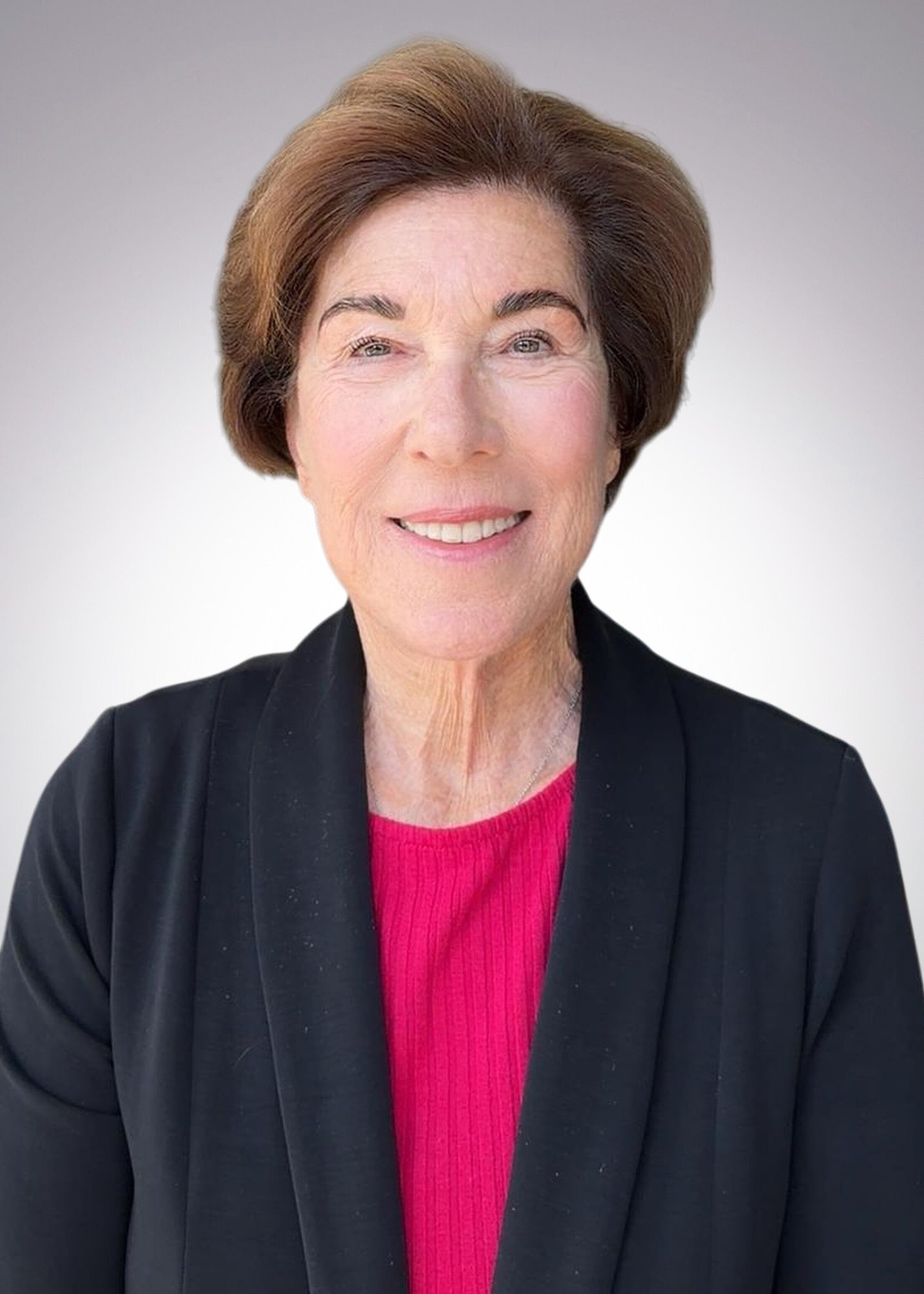
Jean Gordon
Director and Associate Professor, Division of Master of Health Administration - Online
Jean Gordon, DBA, MSN, brings a distinguished career in healthcare, business, and academia to her new role as MHA Online Division Director and associate professor at the Medical University of South Carolina. She earned her Bachelor of Science in Nursing from the University of Miami in 1974. She later returned to higher education, completing her Master of Science in Human Resource Management (1997) and Doctorate in Business Administration (1999) at Nova Southeastern University. At the doctoral level, she specialized in Human Resource Management, Marketing, and Research Methods.
Committed to lifelong learning, Dr. Gordon went on to earn a Master of Science in Nursing (2010) from Kaplan University, a Master of Business Administration with a specialization in Accounting (2015), and a Post-Master's Certificate as a Family Nurse Practitioner (2018).
Dr. Gordon has extensive leadership experience in marketing, accounting, and human resource management, with a focus on both domestic and global settings. She is widely published in the areas of human resource management, talent strategy for retention, and knowledge management. In addition, she remains active in professional service through membership in the Association of University Programs in Health Administration (AUPHA), the American College of Healthcare Executives (ACHE), the Academy of Management (AOM), and the American Society for Healthcare Human Resources Administration (ASHHRA).
Her career reflects a dedication to advancing healthcare leadership, integrating business acumen with clinical expertise, and mentoring the next generation of healthcare professionals.
Recent Department of Healthcare Leadership and Management stories