
For MUSC Doctor of Health Administration (DHA) alumna Melissa Petak, DHA, PMP, leadership means creating systems of connection and compassion. As a 2025 George W. Bush Presidential Center Presidential Leadership Scholar, she is turning data and dialogue into action—bridging health care, technology, and policy to combat loneliness among U.S. veterans.
The Presidential Leadership Scholars (PLS) program unites accomplished leaders from across sectors—nonprofit, military, public, and private—to cultivate bold, principled change-makers addressing society’s most pressing challenges. Petak’s journey reflects how the DHA program continues to inspire graduates to lead nationally, influence policy, and improve lives.
Current Roles and Leadership Focus
Healthcare Client Director for ServiceNow and US Air Force Reserves Lieutenant Colonel - Medical Service Corps, leading veteran-focused innovation initiatives in partnership with Humana, ServiceNow, and the George W. Bush Presidential Center.
Tell me about your experience in the Presidential Leadership Scholar program—what drew you to it, and what has it meant to you personally and professionally?
I was drawn to the Presidential Leadership Scholars program because of its commitment to servant leadership and its emphasis on addressing complex social issues through bipartisan collaboration. Personally, it connected me to a purpose-driven community of changemakers. Professionally, it gave me the tools, support, and visibility to address an often-overlooked crisis: the epidemic of loneliness among aging U.S. veterans. Through PLS, I was able to bring national attention to the fact that 57% of veterans report feeling lonely sometimes or often—a statistic with staggering implications for mental health, physical health, and suicide risk. PLS provided the leadership development and cross-sector partnerships needed to launch an innovative solution in response.
What aspects of your work or mission aligned with the goals of the leadership program, and how has the program helped you advance that work?
The PLS program’s mission to empower leaders who can bridge sectors and ideologies aligned directly with my goal of tackling systemic barriers in veteran care. With support from PLS and in partnership with Humana and ServiceNow, I led a five-phase initiative—listen, understand, discover, design, and pilot—focused on reducing loneliness in Medicare-eligible veterans. This resulted in the creation of Gen, a generative AI tool built to help veterans navigate healthcare benefits, screen for social determinants of health, schedule appointments, and reconnect with their communities. The program not only helped me elevate this initiative but also gave me the confidence to pursue zero loneliness by 2030 as a measurable and achievable goal.
How did MUSC’s DHA program prepare you for this next level of leadership, particularly in terms of policy understanding, systems thinking, or advocacy?
The DHA program at MUSC was foundational to my ability to lead at scale. It trained me to think in systems—to understand how seemingly disconnected parts of the healthcare ecosystem interact. The program’s emphasis on health policy, advocacy, and implementation science gave me the language and tools to build partnerships with national insurers, federal agencies, and technology companies. It also helped me translate data—like the 12-fold increase in suicidal ideation among veterans who report frequent loneliness—into compelling, evidence-based strategies that could drive policy change and technological innovation.
Looking back, is there a specific lesson, project, or mindset from your DHA experience that resonated with your George W. Bush Presidential Center work?
Absolutely. A core mindset from the DHA program that I carried into my work with the George W. Bush Presidential Center was the importance of stakeholder engagement and co-design. In my doctoral work, I learned the value of listening first—a principle that guided our early-phase collaboration with Humana, where we conducted seven listening sessions with over 30 veteran-facing professionals. This not only shaped the direction of the project but ensured the solution we developed—Gen—was informed by real needs and lived experiences. The DHA program gave me the discipline to lead with data but design with humanity.
What’s next for you as a leader? How do you hope to use what you’ve gained from both the DHA and the Presidential Leadership Scholar experience to drive change in your field or community?
My focus is now on scaling Gen and expanding access to technology-enabled support for veterans across the country. I’m working with Humana, ServiceNow, and other partners to pilot and validate Gen in real-world settings by mid-2025. At the same time, I’m advocating for loneliness to be recognized as a public health priority, with targeted funding and integrated screening tools. My training from the DHA program enables me to navigate policy and population health strategies, while the PLS experience connects me to the people and institutions capable of making large-scale impact. Ultimately, my goal is bold but clear: to take the number 57 down to zero—and ensure that no veteran fights loneliness alone.
DHA Alumni and National Leadership: Did You Know
DHA alumni have a track record of serving as Presidential Scholars. Nikki King, DHA, CEO of Alliance Health Centers, served as a 2024-2025 Obama Foundation USA Leader, a six-month, non-residential leadership development program that seeks to inspire, empower, and connect emerging leaders across the country.
Learn more about MUSC’s Doctor of Health Administration (DHA) program and how it prepares graduates to lead, innovate, and make a national impact in health care.
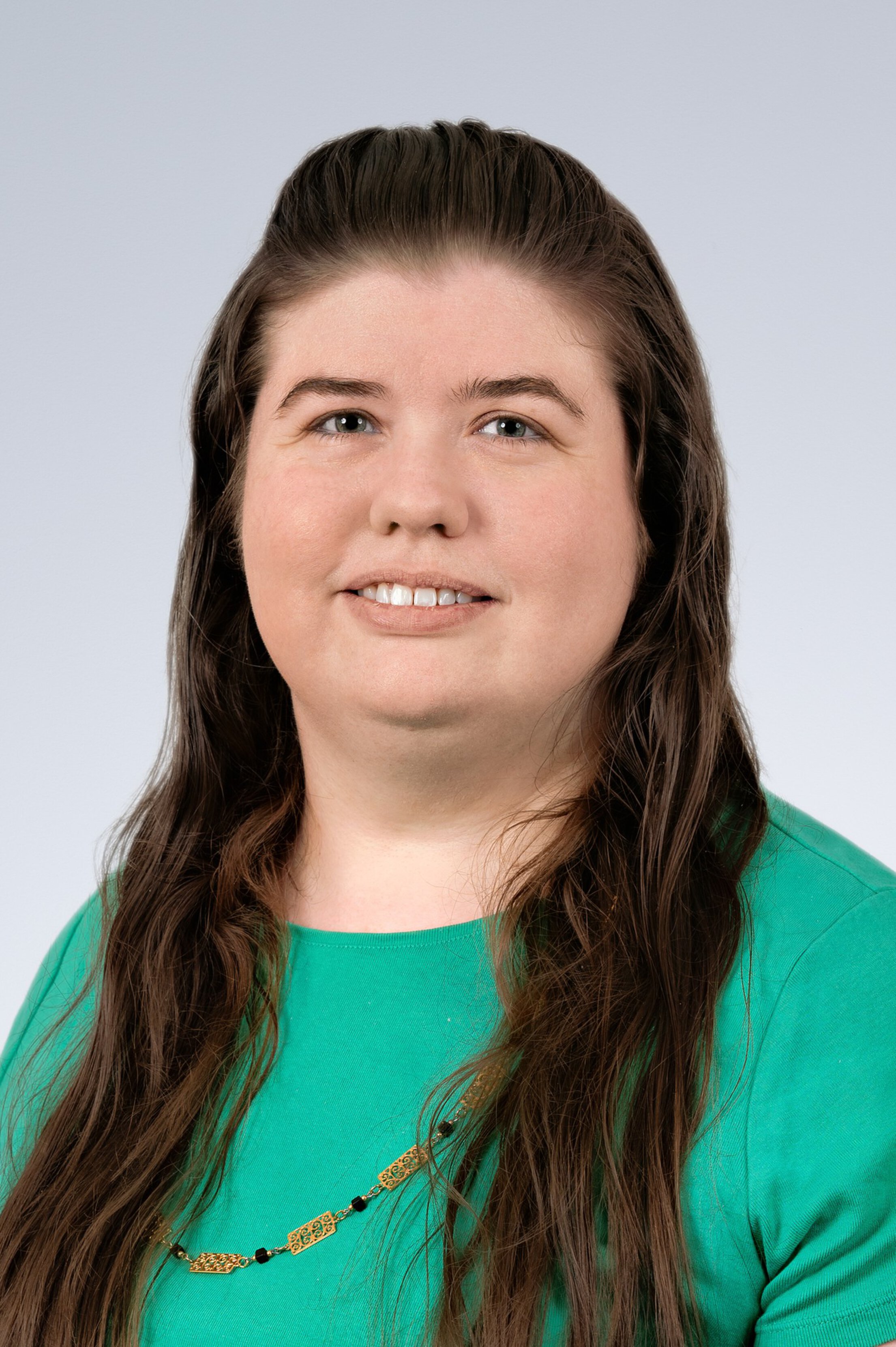
Jennifer Turner
Associate Director, Marketing and Student Recruitment
Jennifer joined CHP in 2024 and serves as Associate Director of Marketing & Student Recruitment, overseeing the College's student recruitment team. A Charleston native, she earned her bachelor's degree from the College of Charleston and her master's degree from The Citadel. Drawing on a background in higher education and healthcare marketing, Jennifer develops strategic recruitment and enrollment marketing initiatives that guide prospective students from their first introduction to CHP through matriculation. When she's not working, she can often be found with a camera in hand, capturing the natural beauty of the Lowcountry.
Recent Department of Healthcare Leadership and Management stories