
Health professions education is at a turning point.
Artificial intelligence is no longer emerging—it is already shaping how health care systems operate, how professionals document and communicate, and how decisions are made across clinical, administrative, and public health settings. Yet higher education has struggled to respond in a coordinated and intentional way. Many students are already using AI daily, but often without clear guidance, shared expectations, or the critical frameworks needed to use it well.
Recent data from the Digital Education Council point to an important opportunity in higher education. Students increasingly understand that AI will shape their future careers, yet nearly 60 percent report that they do not feel confident in their AI knowledge or skills as they prepare to enter the workforce. Many are looking for clear guidance on how to use AI responsibly, evaluate its outputs, and apply it in ways that align with their professional goals, underscoring the need for academic programs intentionally designed to support this learning.
This gap is especially concerning in health care.
Graduates are expected to work alongside AI-enabled tools, from electronic health records and documentation support to analytics and population health platforms. At the same time, both students and faculty express concern that unstructured AI use can weaken learning, critical thinking, and professional judgment. The question is not whether AI belongs in education, but how to integrate it in ways that strengthen human skills rather than replace them.
That is why we redesigned the Bachelor of Science in Healthcare Studies (HCS) program at MUSC College of Health Professions.
As a faculty team, we took a program-level approach. Rather than adding a single AI course or isolated tools, we intentionally embedded AI across the curriculum. This redesign was guided by a structured, evidence-informed approach to AI integration that considered not only technology, but also people, curriculum, assessment, and the systems that support student learning. The result is a coherent experience in which students build foundational AI literacy while learning how to question AI, evaluate its limitations, use it ethically, and apply it within real contexts.
This matters for the students we serve.
"Working with AI has changed how I think about the future of health care, particularly around communication and access to information. AI can tailor information to specific audiences, which is especially valuable for individuals with lower health literacy. This shifted my perspective from seeing AI as a technical tool to viewing it as a way to support clearer, more patient-centered communication."
-Desiree Smith, HCS Student
"One way AI has helped me better understand health care concepts is by breaking down complex material into clear explanations and offering multiple perspectives that deepen my engagement with the subject matter. Overall, the HCS program has prepared me to use AI responsibly by emphasizing critical thinking, ethical awareness, and thoughtful application, skills I believe will be essential in future health care roles."
-Carmen Carney, HCS Student
Many HCS students are adult learners, community college transfers, first-generation college students, and pre-professional students preparing for graduate education or health care careers. They are balancing school with work, family, and other responsibilities. Our responsibility is to provide education that is relevant, practical, and clearly connected to the workforce they are entering. In HCS, AI supports learning efficiency, but it never replaces thinking, writing, or communication.
Writing, oral communication, and critical reasoning remain central. Through applied coursework and a year-long project, students synthesize knowledge, explain their thinking, and communicate professionally in AI-enabled environments.
At a time when many programs are still debating how to respond to AI, HCS is designed to act. We give students structured, guided opportunities to work with AI responsibly through applied projects that build confidence, judgment, and professional communication skills. We believe the future of health care belongs to professionals who can think critically, communicate clearly, and work ethically with intelligent technologies, and HCS is designed to prepare students for that future.
Learn how the BS in Healthcare Studies (HCS) program is shaping students for the future of health care—engage with our curriculum, connect with faculty, and join a program where innovation, critical thinking, and AI readiness come together.
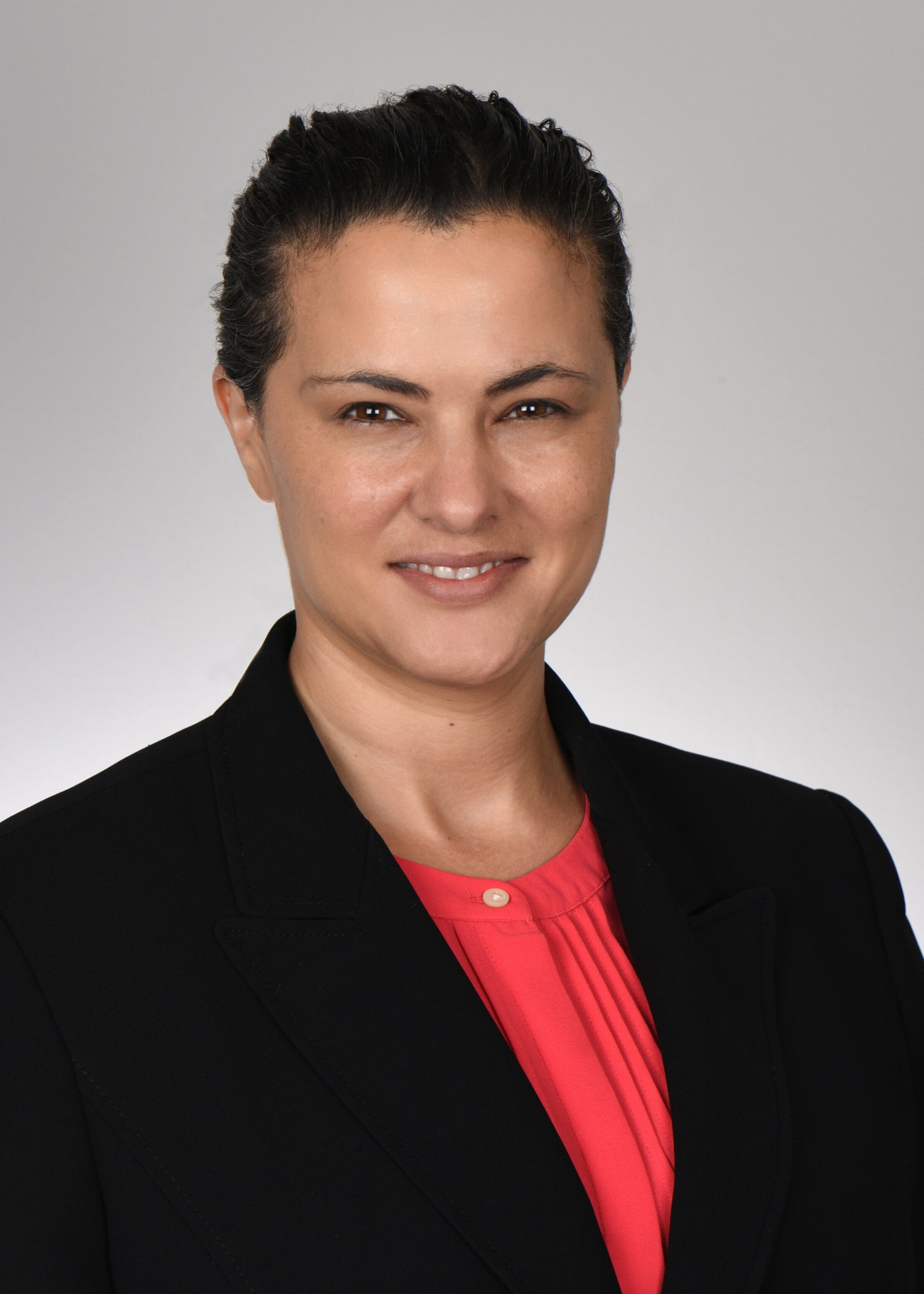
Lauren Gellar
Director and Professor, Division of Healthcare Studies
Lauren Gellar, Ph.D., MS, MCHES, is a professor and director of the Division of Healthcare Studies in the College of Health Professions at the Medical University of South Carolina. Her work focuses on advancing innovation in health professions education through curriculum development, student, faculty and staff development, and the integration of artificial intelligence in teaching and research.
With more than 15 years of experience in higher education and 20 years in health research, Dr. Gellar is committed to expanding access, supporting non-traditional and first-generation learners, and preparing a future-ready health care workforce through collaborative, student-centered leadership.
Recent College of Health Professions stories