
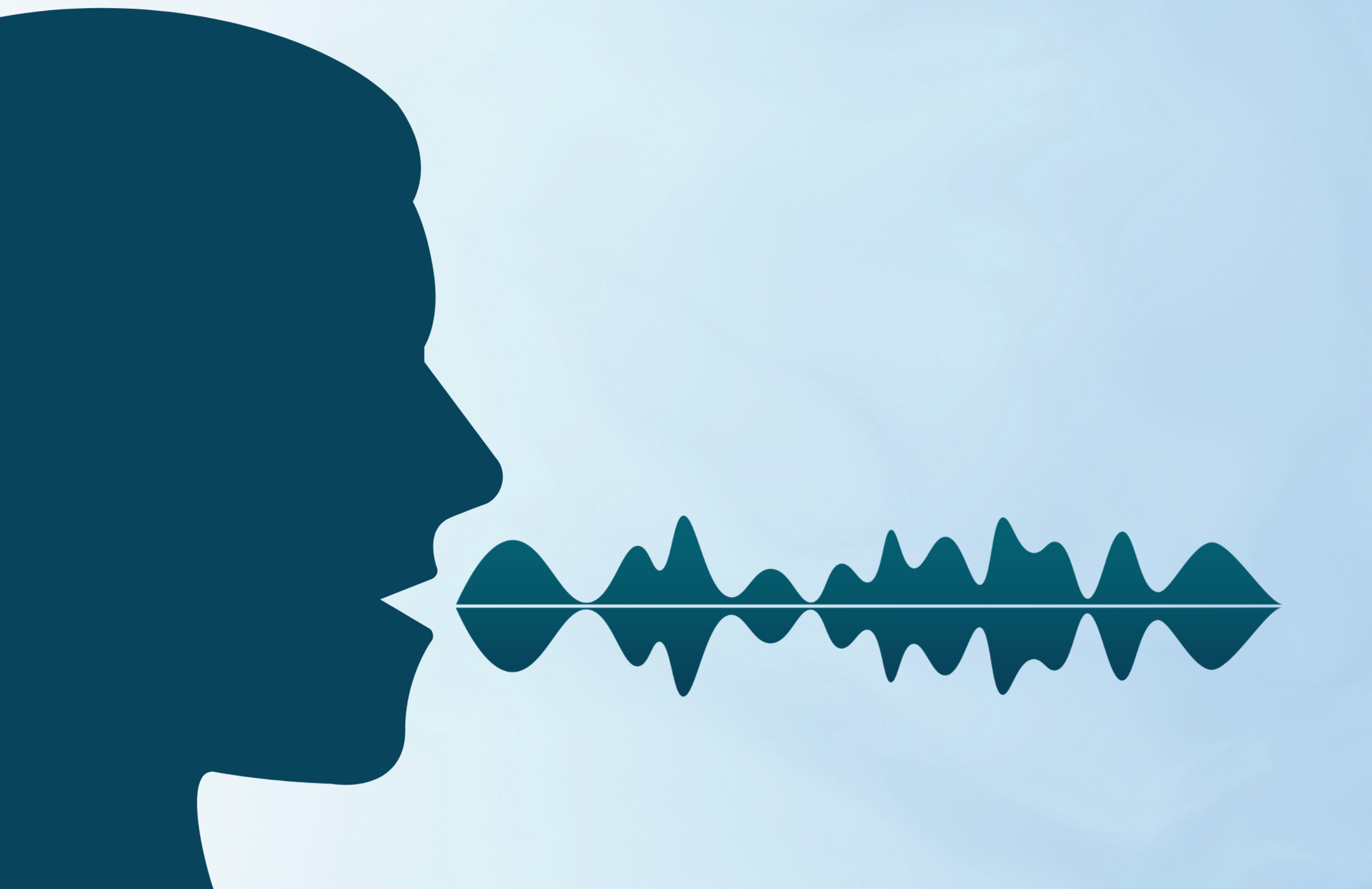
The human voice is one of the most powerful expressions of identity, carrying our emotions, memories, and connections to others. For individuals living with amyotrophic lateral sclerosis (ALS), preserving that voice—and the ability to share meaningful messages with loved ones—can provide hope, comfort, and a sense of control in the face of a life-changing diagnosis.
At the Medical University of South Carolina (MUSC), students in the MS in Speech-Language Pathology (SLP) program are gaining hands-on clinical experience while making a tangible difference in the lives of ALS patients. Through a voice and message banking initiative, SLP students work directly with patients to preserve their voices and record meaningful messages for future communication, all at no cost to patients and families.
Working alongside Team Gleason, a nonprofit dedicated to helping people with ALS live purposeful lives, SLP students help coordinate funding and support while witnessing firsthand the profound impact speech-language pathologists can have on patients’ identity, independence, and connection with loved ones. “Voice and message banking is about preserving identity and connection, allowing individuals to express themselves in ways that feel personal and authentic, even as their communication needs change,” says Dr. Kelly Richardson, associate professor in MUSC’s SLP program and faculty lead for the initiative.
Real-World Experience for Aspiring SLPs
MUSC SLP students participating in the initiative gain direct experience with clinical care and the opportunity to work closely with individuals with progressive neurodegenerative diseases. They guide patients through each step of the voice banking process, from creating customized lists of personal phrases to leading recording sessions that capture each patient’s unique personality, relationships, and daily communication needs.
“Participating in voice and message banking has reinforced my passion for serving clients and allowed me to connect with patients personally, learning what matters most to them,” said second-year student Erica Swierski.
Students also assist with patient support tasks, including guiding individuals through the process of previewing their synthetic voice and providing instruction on how to record personalized phrases at home using recording apps and a specialized online storage platform. These experiences give students a deeper understanding of both the practical and emotional importance of preserving one's voice.
Participating in voice and message banking has reinforced my passion for serving clients and allowed me to connect with patients personally, learning what matters most to them
Moments That Make an Impact
For many students, the most memorable experiences of the project extend beyond the technical work. Emily Flanders, a second-year student, worked with a family to use their loved one’s synthetic voice to create a reading of ’Twas the Night Before Christmas after the patient passed away. “Being part of that process deeply impacted me,” Emily shared. “Knowing that I contributed in some small way to preserving a loved one’s voice and memory for their family is something I will always carry with me.”Cameron Posadas recalls one moving session where a patient recorded personal messages for her loved ones. “She and her husband worked together to brainstorm a variety of messages and phrases for her family and friends. Some messages were simple, everyday phrases like ‘good morning’ and ‘how are you,’ while several others were more intentional and personalized, such as ‘happy birthday,’ ‘I'm thinking about you,’ and ‘I love you,’” Cameron shared. “It was powerful to see how intentional, vulnerable, and determined she was in preserving her words.”
For Mackenzie Popp, the patient-centered nature of the work solidified her commitment to the project: “Each patient is different, and we have to adjust our interventions to their physical and emotional needs. Voice banking reminded me how essential it is to meet patients where they are.”
Building Skills and Confidence
Voice and message banking strengthens not only patients’ lives but also students’ clinical skills. By counseling patients, leading recording sessions, and using assistive technology, students apply classroom knowledge in real-world settings.“This experience has given me the confidence to act with professionalism and empathy and understand the personal nature of what it means to be an SLP,” shared Emily.
Through this important work, students develop important skills in communication, problem-solving, and patient advocacy, skills that transfer to any area of SLP practice. They also learn firsthand how SLPs can make a difference beyond standard therapy goals.
A Journey That Goes Beyond the Classroom
The voice and message banking initiative is one example of the substantial clinical experiences MUSC SLP students encounter throughout their training. By working directly with individuals living with ALS, students are not only developing clinical expertise but also gaining a deeper understanding of the human impact of communication disorders.For MUSC SLP students, voice and message banking is more than a clinical exercise; it is a powerful reminder that preserving someone’s voice means preserving their identity, their relationships, and the stories they leave behind. Experiences like these reflect the program’s commitment to preparing compassionate, highly skilled clinicians who are ready to make a difference in patients’ lives.
Interested in patient-centered care and making a positive impact in the community? See how MUSC’s SLP program prepares students for successful careers in speech-language pathology:
Katie Ennis
Recent College of Health Professions stories