
For occupational therapists considering MUSC’s Post-Professional Occupational Therapy Doctorate (PPOTD) program, professional growth isn’t just about earning a degree. It’s about expanding clinical expertise, developing leadership skills, and stepping confidently into emerging areas of practice.
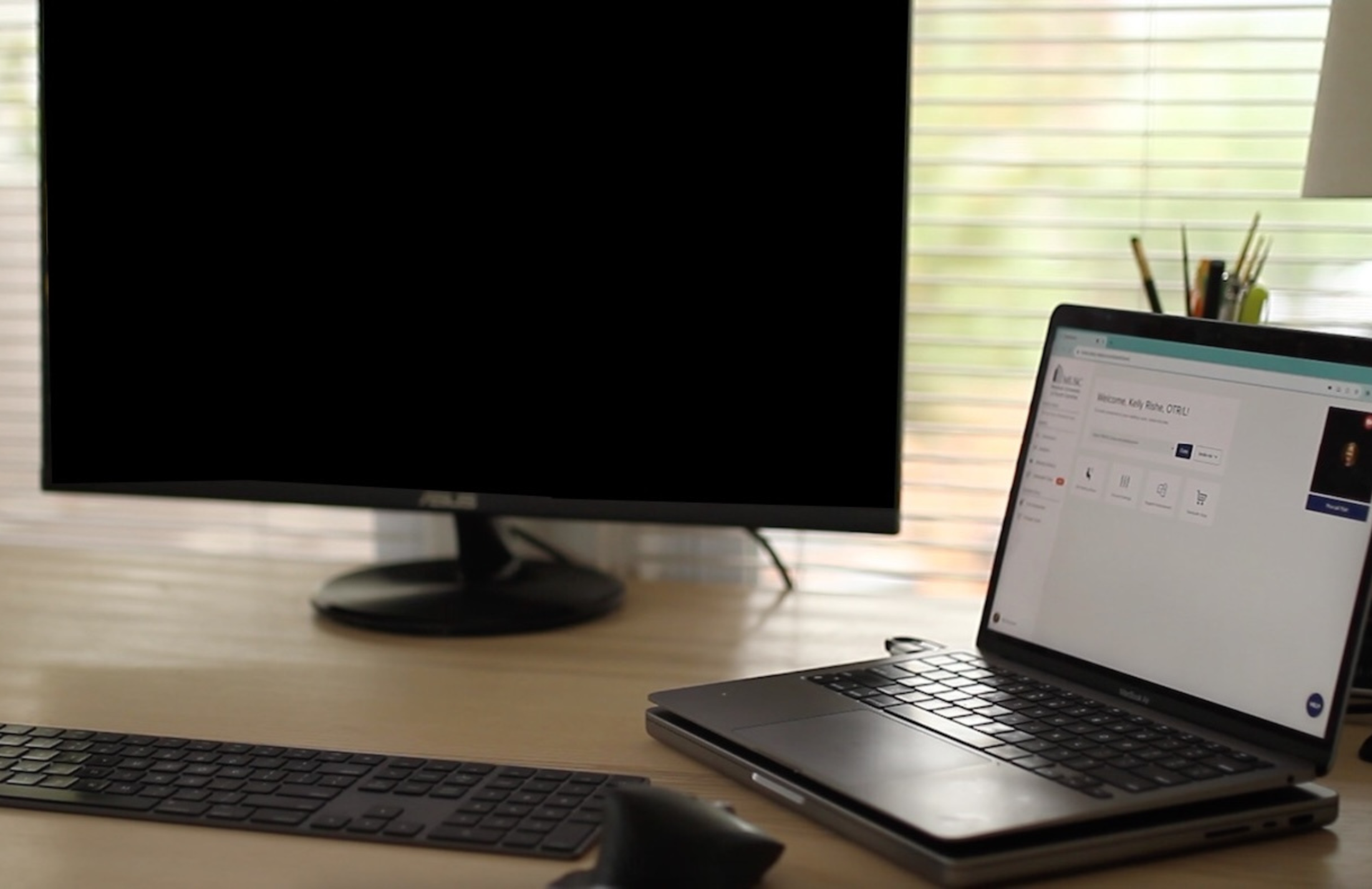
One way PPOTD students are doing this is through the Stroke Telerehabilitation Occupational Therapy Microcredential — an online program designed to equip clinicians with advanced knowledge in telerehabilitation service delivery.
Preparing OTs for the Future of Stroke Rehabilitation
Telerehabilitation is one of the fastest-growing areas of OT practice. As health care systems prioritize access to care, workforce efficiency, and innovation, telehealth delivery models are becoming essential, particularly in specialty areas like stroke rehabilitation.
This program provides a structured, self-paced learning experience that builds foundational and applied clinical expertise in this emerging practice area. The asynchronous, 12-hour course covers:
- Core principles of telerehabilitation and its use in stroke rehabilitation
- Technology considerations, access, and digital literacy
- Current evidence supporting telerehabilitation service delivery
- Legislative and regulatory policies impacting clinical practice
- Clinical application and decision-making through case-based scenarios
- Strategies for designing and implementing a comprehensive telerehabilitation program
Upon completion, participants earn 12 continuing education hours (CEUs) approved by the South Carolina Occupational Therapy Association (SCOTA) and a digital badge recognizing their specialized training.
A Value-Add for PPOTD Students
While not a direct offering through the PPOTD program, this microcredential program is available to and widely embraced by PPOTD students. Because MUSC employees and PPOTD students have access to a fee waiver to complete the course at no cost, the opportunity serves as both a professional advantage and a meaningful enhancement to the doctoral experience. Many doctoral learners choose to pursue this credential to complement their coursework in leadership, innovation, and practice transformation.
“After taking this course, I have a much clearer understanding of which patients benefit most, the key components of treatment, and how to design and facilitate a telehealth plan of care. The course clearly outlines the procedural and logistical steps required to build a telehealth program and provides practical resources such as documentation examples, outcome measures, and implementation ideas, making it one of the most useful and accessible continuing education courses I’ve taken.”
Lauren Landers, OTR/L
PPOTD Student, Microcredential recipient, January 2026
For clinicians pursuing the PPOTD, the badge offers an opportunity to:
- Strengthen leadership skills in telerehabilitation
- Expand expertise in a growing specialty area
- Integrate emerging practice models into clinical or community settings
- Generate ideas for doctoral capstone projects
- Enhance teaching content for those serving as adjunct or academic faculty
Many PPOTD students already serve as clinical instructors or educators. This microcredential program prepares them to confidently teach telehealth-related content and stroke rehabilitation concepts to future practitioners.
“The course expanded my understanding of telerehabilitation as a primary, evidence-based model of care rather than simply a complementary service or a temporary pandemic solution. It strengthened my ability to evaluate the evidence and advocate for innovative service delivery models while inspiring me to explore ways to integrate telerehabilitation concepts and competencies into our new Hybrid OTD curriculum at MUSC.”
Jesse Ausec, OTD, MS, OTR/L, SIPT
Assistant Professor, Hybrid Occupational Therapy Doctorate Program, MUSC
PPOTD Alum, Microcredential recipient, Summer 2025
Position Yourself as a Leader
Occupational therapists trained in stroke telerehabilitation are positioned to lead in a rapidly changing health care landscape.
By pairing the PPOTD program with unique opportunities like this microcredential program, MUSC students gain practical, forward-focused skills while building leadership, teaching, and innovation capabilities.
Ready to expand your impact in occupational therapy? Take the next step with MUSC’s Post-Professional OTD program—where you can learn, lead, and grow through innovative offerings like the Stroke Telerehabilitation OT Microcredential, positioning yourself at the forefront of specialty areas like telehealth and stroke rehabilitation.

Katie Ennis
Recent College of Health Professions stories