
Genetic counseling is more than guiding patients through testing and results. It’s about using knowledge to educate, advocate, and make a difference in people’s lives.
At the MUSC, the Master of Science in Genetic Counseling (MSGC) program has prepared me to step confidently into these roles, both in the clinic and beyond. Through hands-on experiences, mentorship, and a curriculum that prioritizes advocacy, students like me are learning how to lead, educate, and impact communities in meaningful ways.
My own journey in advocacy began well before I entered genetic counseling, and it has only grown through the experiences and opportunities I’ve had at MUSC and beyond. I’ve been working at jscreen, a national non-profit that provides at-home genetic testing, as a Genetic Counseling Assistant (GCA) for a little over two years. It’s been an incredible opportunity to help screen thousands of people for syndromes associated with hereditary cancer risk. Beyond the hands-on work, I’ve also contributed to internal research and advocacy initiatives that foster representation, access, and belonging within our team.
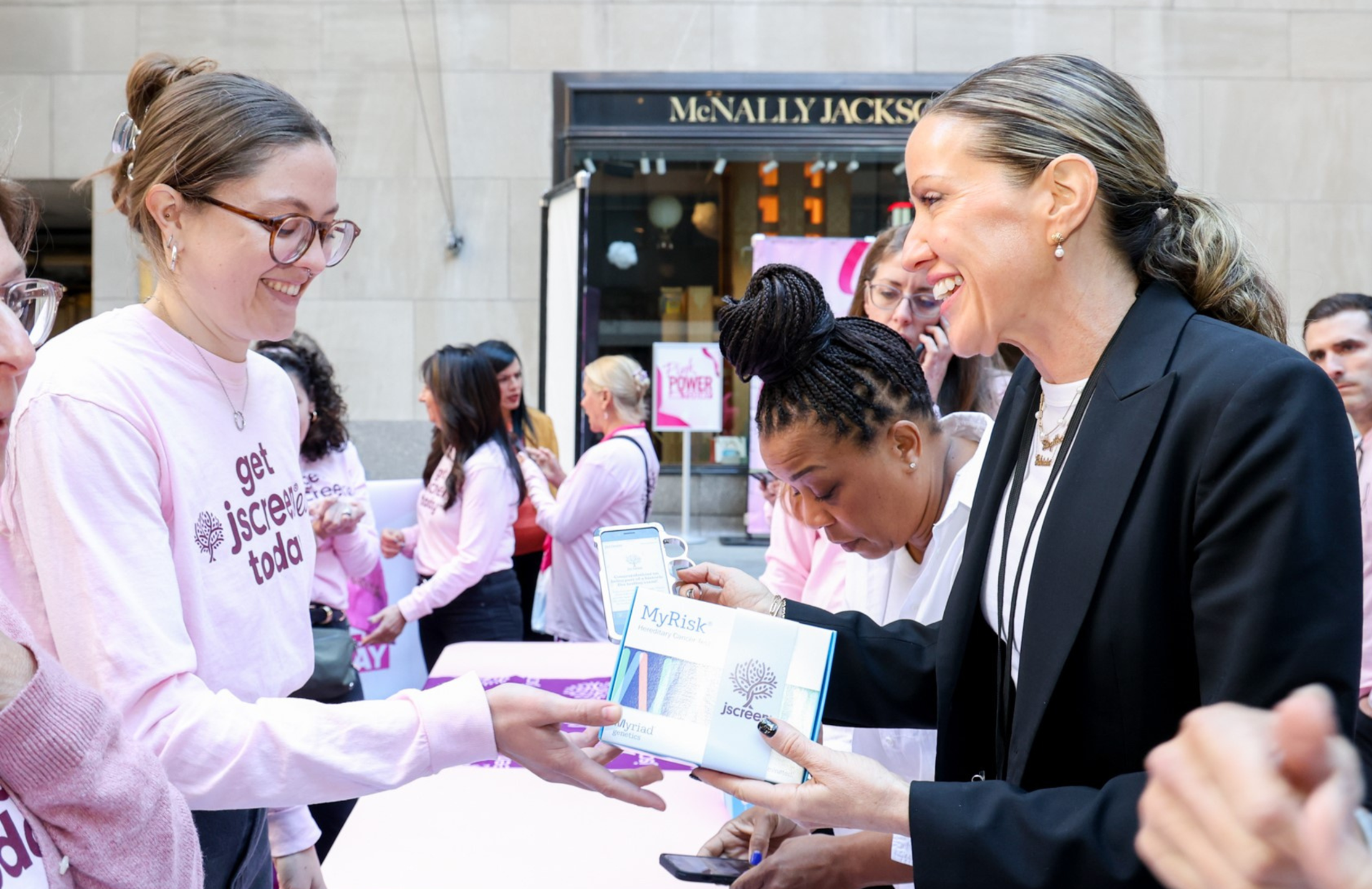
Last October, I had the unforgettable experience of representing jscreen at the Today Show’s “Pink Power” event for Breast Cancer Awareness Month at Rockefeller Plaza. Our team provided hundreds of New Yorkers with free hereditary cancer screening kits and educated people about the importance of genetic testing. Throughout the morning, I spoke with people from all walks of life and heard their stories about how breast cancer had impacted their families. It was incredibly meaningful to hand someone a test kit, knowing it could give them information that might truly change their life.
My passion for advocacy started during my undergraduate years at the University of Georgia, where I spent much of my time working on political campaigns and in advocacy organizations. I felt consistently frustrated by the injustices I saw my community facing, and advocacy became a way for me to channel that energy into meaningful work. When I began working at jscreen under the mentorship of the wonderful American Board of Genetic Counseling (ABGC) President, Melanie Hardy, I realized I could bring that same passion into health care. Advocating for greater access to genetic screening and education felt like a natural extension of the work I have always cared about, and I plan to maintain advocacy as the driver of my genetic counseling career forever.
The MSGC program at MUSC has been incredibly supportive of my advocacy efforts both in and outside the classroom. Our assistant program director, Libby Malphrus, is especially enthusiastic about the work I’m doing, which helps me feel empowered to take on new advocacy opportunities. Advocacy is clearly woven throughout the MSGC curriculum, and our faculty even worked with me directly to arrange a clinical rotation focused on advocacy this fall. Their encouragement has shown me that leadership and patient advocacy are central to what it means to be a genetic counselor.
Hannah’s involvement with the jscreen advocacy initiative is an excellent example of how our students engage meaningfully beyond the classroom. We integrate advocacy into our curriculum to help students build confidence using their voice in real-world settings, preparing them to lead, educate, and promote access to care across communities.
Unfortunately, many people face barriers to accessing genetic services due to systemic inequities in health care. Advocacy, outreach, and education are essential to addressing these disparities, and genetic counselors play a vital role in providing accurate information and guidance. In a world of health chatbots and brief doctor visits, access to clear, reliable genetic education is more important than ever.
I’m grateful that the MSGC program at MUSC fosters this mindset, encouraging students like me to take meaningful action and lead beyond the classroom. Every day, I see how advocacy and leadership in genetic counseling can make a tangible difference, and I am excited to continue this work throughout my career.
For anyone drawn to a career that combines science, patient care, and advocacy, I invite you to consider the MSGC program at MUSC. Here, you’ll receive the mentorship, guidance, and experiences that empower you to make a meaningful impact as both a genetic counselor and a community advocate.
Recent College of Health Professions stories