
They often understood what to do but struggled with how to do it.
The barrier was not knowledge, but sustained behavior change.
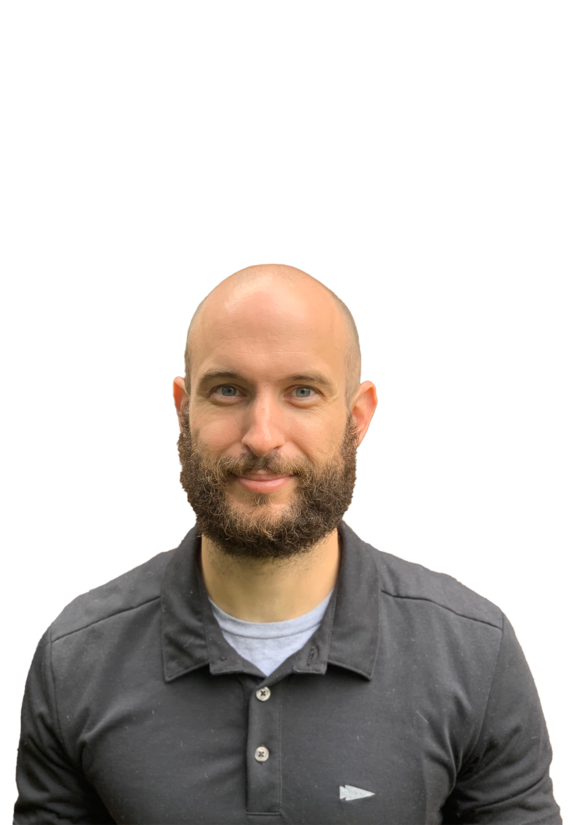
As a physical therapist and educator, Reed Handlery, PT, DPT, Ph.D., has consistently observed a familiar pattern across both clinical care and student learning: patients and learners often understand what could improve their health or performance, yet sustaining meaningful follow-through and behavior change remains a challenge. This gap between knowledge and action led him to explore health coaching as a complementary framework for supporting lasting change.
Through MUSC’s Health and Wellness Coach Training Program, Handlery gained practical strategies for facilitating sustainable behavior change, which reshaped both his approach to patient care and the way he teaches and mentors future clinicians.
As a physical therapist and educator, I was trained extensively in interventions to help people improve pain and function, but not in how to help them change their behavior. Motivational interviewing and behavior change frameworks were not part of my formal training, and although I was later exposed to these concepts through additional education, they were not taught with an emphasis on deliberate practice or competency. Over time, I noticed a consistent pattern with both my physical therapy clients and students: they often understood what to do but struggled with how to do it. Whether completing a home exercise program or managing stress in graduate school, the barrier was not knowledge, but sustained behavior change. That realization led me to pursue a coaching program to better support clients and students in their overall well-being.
MUSC’s Health & Wellness Coach Training & Education program stood out for several reasons. The website clearly outlined program length, costs, instructors, and logistics, and the program’s accreditation through the National Board for Health and Wellness Coaching (NBHWC) meant I would be eligible to sit for the certifying exam and become a National Board-Certified Health and Wellness Coach upon completion. Furthermore, the curriculum’s focus on physical activity, nutrition, stress management, and behavior change theory aligned with the skills I needed to better serve my clients and students.
I thoroughly enjoyed my time in the program. Program faculty members Kaitlin F. DaPore, NBC-HWC, MHA, and Dana Bufalino, NBC-HWC, were highly positive, clear communicators who set expectations early. As practicing health coaches, they consistently connected course content to real-world examples in nutrition, physical activity, and psychology, which made the material easier to apply. The most valuable component, however, was the emphasis on deliberate practice. Weekly peer coaching sessions, combined with structured feedback from peers and instructors, created steady, measurable skill development. Recorded coaching sessions with individualized feedback further strengthened my communication in ways I had not experienced in clinical training.
I plan to integrate health coaching into my clinical practice as a complementary service alongside physical therapy and performance training.
I am currently applying these newly learned coaching skills while completing my required coaching hours for board certification, which I plan to pursue within the next six months, and while I’m primarily coaching DPT students, I will soon expand to the broader community through my physical therapy clinic, SHIFT Peak Performance. Following certification, I plan to integrate health coaching into my clinical practice as a complementary service alongside physical therapy and performance training, while also incorporating coaching principles into clinician development and physical therapy education.
For those considering the program, expect five months of growth as a communicator and coach. That growth comes through discomfort, mistakes, and repeated practice. Staying open, grounded in purpose, and engaged with peers and instructors supports that process, ultimately strengthening one’s ability to support others in their health and wellness journeys.
Interested in becoming a health and wellness coach?
Recent College of Health Professions stories