
Discover how MUSC’s Division of Physical Therapy combines nationally recognized education with the flexibility of two pathways — hybrid and residential — to prepare students for successful careers in physical therapy.
Physical therapy is a growing healthcare profession that helps people improve movement, manage pain and return to the activities that matter most. To become a licensed physical therapist, you must earn a Doctor of Physical Therapy (DPT) degree from an accredited program and meet state licensure requirements.
But earning a DPT is a significant investment. So, is it worth it?
For prospective physical therapists, the answer goes beyond tuition cost. The right DPT program should offer strong academic preparation, meaningful clinical experiences and a learning pathway that fits your goals.
At the Medical University of South Carolina, students can choose between two DPT formats — hybrid or residential — while earning the same Doctor of Physical Therapy degree, just with a learning experience built around how you learn best.
Clinical Preparation That Prepares You for Practice
MUSC's DPT program builds a foundation in evidence-based practice, clinical reasoning, movement science and patient care — and both formats bring that foundation to life through real clinical experience in the final three semesters.
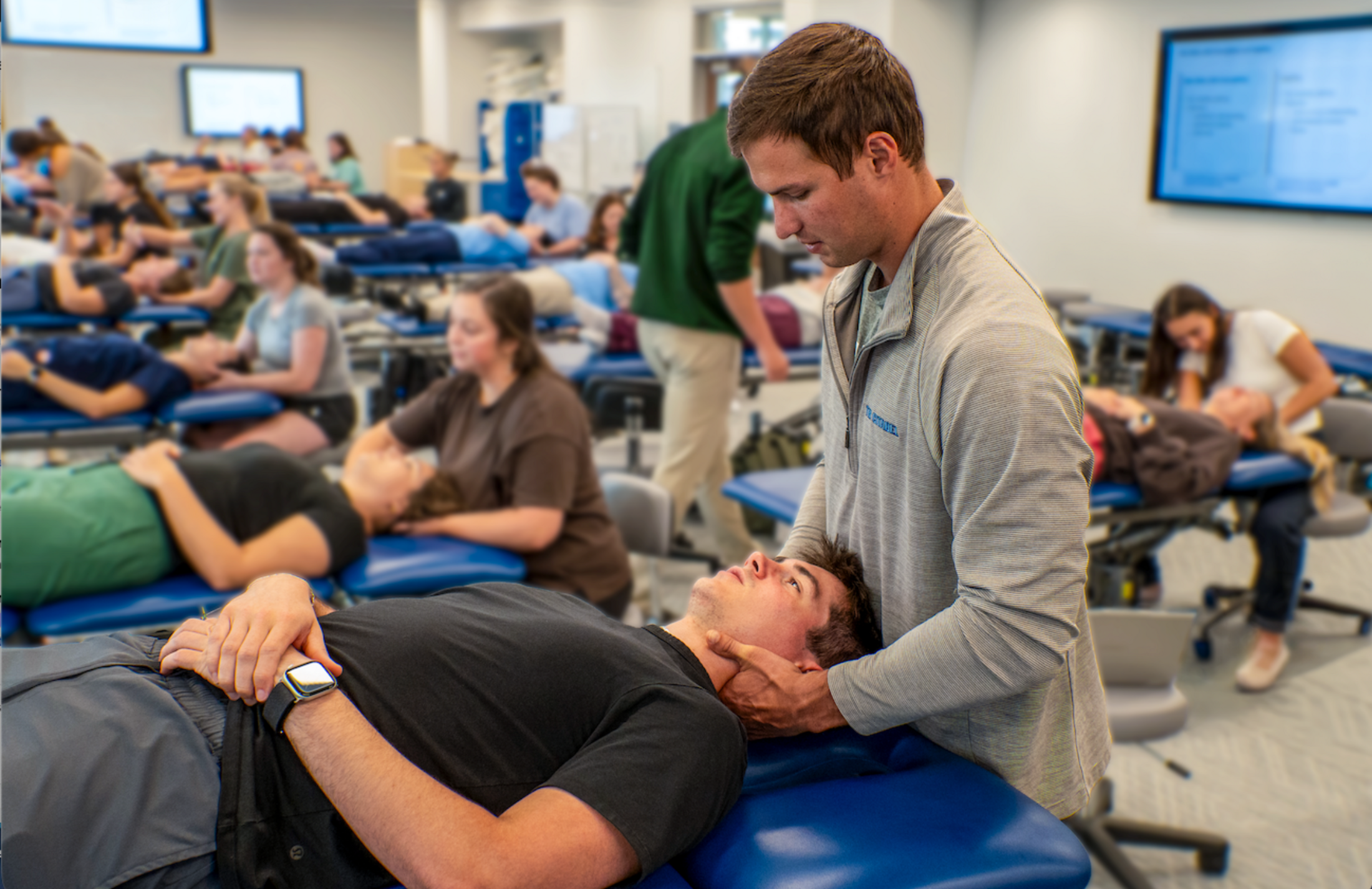
Residential students train on campus, with daily exposure to MUSC's academic medical center and community service initiatives like the CARES Therapy Clinic. Hybrid students build that same practice-ready skill set closer to home, gaining clinical experience in their own communities and attending immersive lab sessions at our hands-on clinical learning space at WestEdge.
Regardless of format, students develop the hands-on skills, clinical reasoning and professional experience needed to care for their future patients.
Choose the Format That Fits Your Life
The hybrid format combines structured online coursework, including synchronous and asynchronous classes, with 12 immersive lab sessions in Charleston during the first six semesters. Most coursework happens online, with concentrated, hands-on learning during campus visits. For students who don't live in Charleston, this offers geographic flexibility that can reduce the cost and disruption of relocating for graduate school.
The residential format offers a traditional, campus-based experience in downtown Charleston, with face-to-face coursework and daily interaction with faculty and classmates. Students learn at state-of-the-art facilities and collaborate in interprofessional groups that mirror real-world healthcare environments.
Whichever format you choose, you’ll earn the same DPT degree through a learning experience designed around your individual needs and goals.
An Investment in Your Future
The cost of a DPT program is an important part of the decision — but the value of your investment goes beyond tuition.
Explore tuition, program costs and financial support for MUSC’s residential and hybrid DPT formats.
When you choose a DPT program, you’re investing in the education, hands-on clinical experiences, faculty expertise and preparation you need to enter a growing profession.
And the career outlook matters, too.
According to the U.S. Bureau of Labor Statistics, physical therapists had a median annual wage of $102,760 in 2025, and employment is projected to grow 12% from 2025 to 2035, significantly faster than the average for other occupations (September 2026).
Finding the Right DPT Experience
Choosing a program means weighing more than cost. Consider the quality of the education, opportunities for hands-on and clinical learning, faculty support and, ultimately, whether the program’s format fits the way you want to learn.
Whether you’re looking for the geographic flexibility of a hybrid format or the campus-centered experience of a residential program, MUSC’s DPT pathways are designed to prepare you for what comes next.
Your DPT is an investment. Make it count.
Recent College of Health Professions stories