

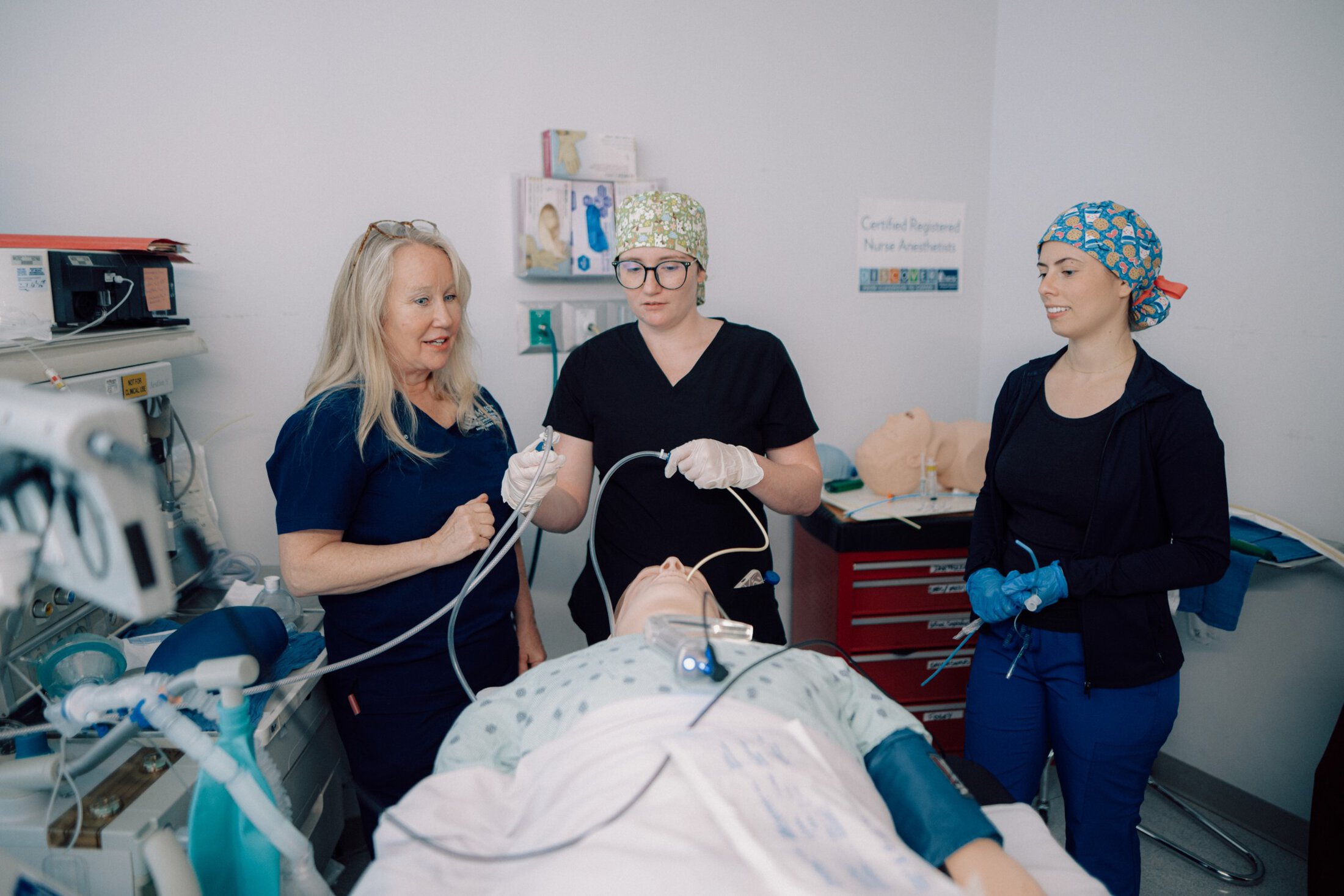
For Dennis McKenna, CRNA, DNAP, pursuing doctoral education was not a step away from clinical practice, but a way to remain fully engaged as healthcare continues to evolve. In a field marked by increasing clinical complexity and system-wide demands, certified registered nurse anesthetists (CRNAs) are being called to extend their impact beyond the operating room.
“As a practitioner in a large academic medical center, I saw a need to stay academically relevant with the changes,” McKenna said. “As a lifelong learner, instilled in all CRNAs during formative development, I saw a responsibility to elevate my view of the health system through formal education.”
McKenna’s more than three-decade career at MUSC reflects a steady progression into leadership across clinical practice, education, and operations. A graduate of the College of Health Professions Master of Health Sciences (MHS) Class of 1992 and Doctor of Nurse Anesthesia Practice (DNAP) Class of 2016, he’s held key roles in nurse anesthesia education and departmental leadership, including serving as MUSC Health’s first CRNA educator.
His leadership extends beyond MUSC, with service as president of the South Carolina Association of Nurse Anesthesiology, contributions to American Association of Nurse Anesthesiology (AANA) committees, a six-year term on the Council on Accreditation of Nurse Anesthesia Educational Programs, and recognition as an AANA Fellow in 2025.
Within this trajectory, McKenna pursued the Doctor of Nurse Anesthesia Practice (DNAP) – Post-Master’s program to strengthen his ability to translate clinical expertise into systems-level improvement, an experience that ultimately reshaped his approach to organizational change.
“I believe formally learning the process of change really affected how I approach process and policy improvement,” he said. “I have avoided more ‘pitfalls’ and have a viewpoint that is broader.”
That broader systems perspective proved especially valuable in his role as Director of Anesthesia for MUSC Health. Coursework in health policy, business, and education strengthened his ability to collaborate effectively with both hospital leadership and academic faculty.
“This gave me the ability to have a level conversation with university faculty to provide and improve student experiences,” McKenna said.
Now semi-retired and living in Mount Pleasant, South Carolina, McKenna’s career reflects the evolving scope of nurse anesthesia practice. His experience highlights how doctoral preparation can extend clinical expertise into leadership, education, and health system transformation—ultimately shaping how care is delivered and improved across organizations.
Learn more about MUSC’s Doctor of Nurse Anesthesia Practice (DNAP) – Post-Master’s program and how it prepares CRNAs to advance clinical expertise, lead evidence-based practice, and shape the future of anesthesia care.
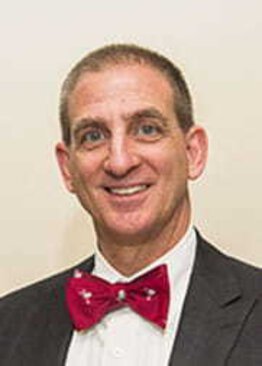
Dennis McKenna, DNAP, CRNA
Academic Focus: Research project in radial arterial catheter placement.
Hypothesis: Optimal catheter insertion site for best results in blood sample acquision, quality of monitoring, duration of quality measures.

Katie Ennis
Recent College of Health Professions stories