
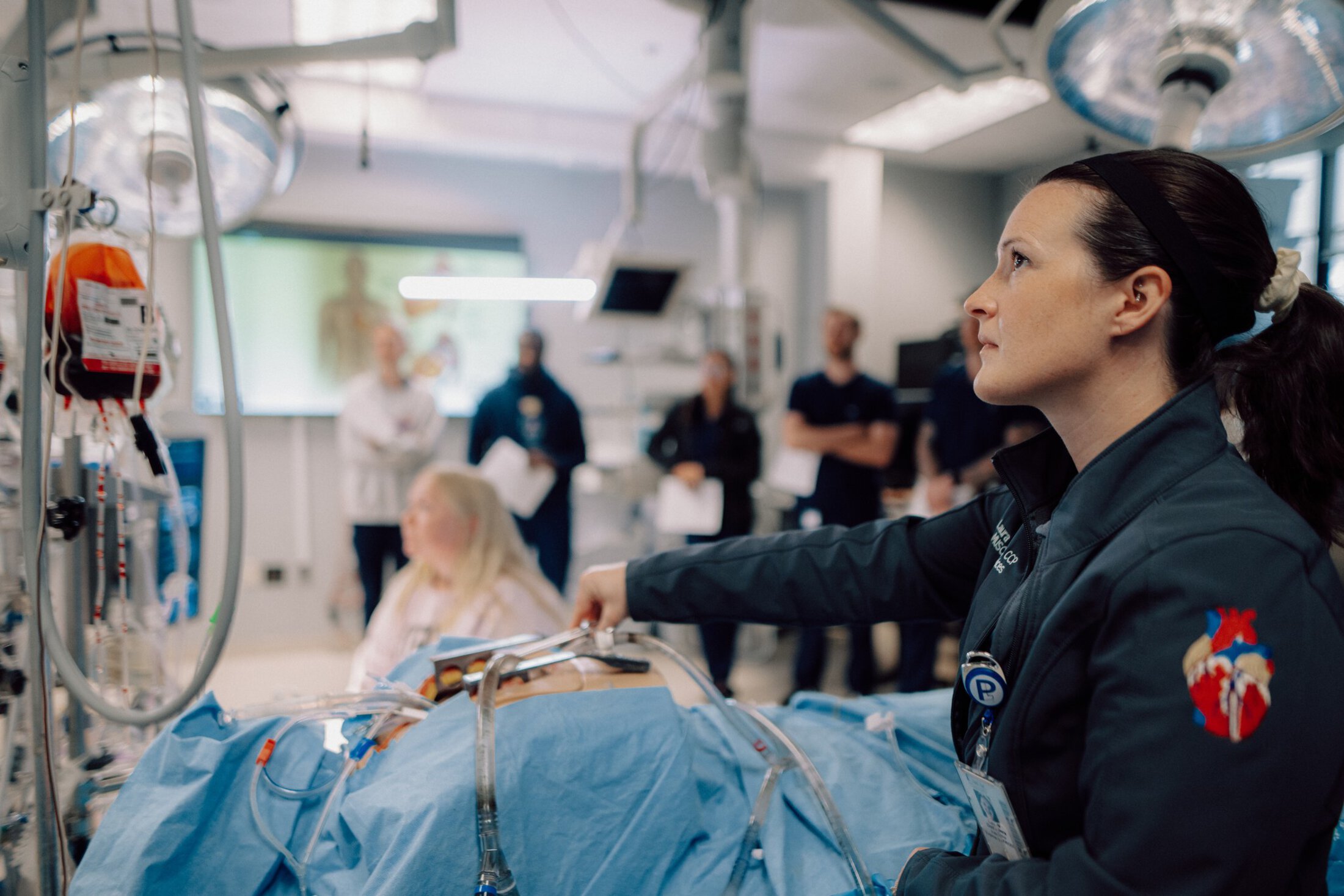
Extracorporeal technologies—including ECMO (Extracorporeal Membrane Oxygenation), cardiopulmonary bypass, and ventricular assist devices—play a critical role in modern cardiovascular and critical care medicine. These life-support systems temporarily take over the function of the heart or lungs, allowing patients to survive complex surgery or severe illness.
The Master of Science in Extracorporeal Science (ECS) program at the Medical University of South Carolina (MUSC) provides advanced didactic education in the science and technology behind extracorporeal circulation. While the program was originally designed to support international perfusion apprenticeships, it is increasingly valuable for U.S. health care professionals and medical technology specialists who want to deepen their expertise in extracorporeal life support systems.
Here are five reasons U.S.-based professionals may benefit from pursuing an ECS degree.
1. Gain advanced knowledge of ECMO and perfusion technology
Extracorporeal systems require a sophisticated understanding of cardiovascular physiology, blood flow dynamics, and complex medical equipment. MUSC’s ECS program provides graduate-level coursework in areas such as:
- ECMO and extracorporeal life support
- Cardiopulmonary bypass systems
- Ventricular assist devices (VADs)
- Perfusion physiology and blood management
For professionals already working in cardiovascular or critical care environments, the degree helps connect daily clinical practice with the science and engineering behind these technologies.
Example in practice:
An ECMO specialist or ICU nurse who manages extracorporeal support at the bedside may want a deeper understanding of circuit design, oxygenator function, and perfusion principles to strengthen clinical decision-making.
2. Prepare for Leadership Roles
Circulatory support programs are expanding across the United States as hospitals invest in advanced critical care capabilities. These programs require leaders who understand both the clinical and technical aspects of extracorporeal support.
Graduate education in extracorporeal science can support advancement into roles such as:
- ECMO program coordinator
- Clinical educator or trainer
- Cardiovascular service line leader
- Quality improvement or program development specialist
Example in practice:
A senior ECMO specialist may pursue an ECS degree to transition into program leadership, protocol development, or staff education.
3. Strengthen Your Expertise for Medical Technology Careers
Extracorporeal science knowledge is highly valuable beyond the hospital setting. Many professionals working in medical device companies and clinical technology consulting interact directly with perfusionists, surgeons, and ECMO teams.
Understanding the science behind extracorporeal circulation can enhance credibility and effectiveness for roles such as:
- Clinical specialists for ECMO or perfusion equipment
- Medical device sales representatives
- Product trainers or implementation specialists
- Health care technology consultants
Example in practice:
A cardiovascular device sales professional working with perfusion systems or oxygenators may pursue the degree to better understand the clinical environment and the technology they support.
4. Advance Your Education While Continuing to Work
MUSC’s ECS program is designed for working professionals, with fully online coursework that allows students to continue their careers while completing the degree. This flexible format allows professionals to:
- Study from anywhere
- Apply coursework directly to their current role
- Balance graduate education with demanding health care schedules
For clinicians and industry professionals alike, this means gaining specialized knowledge without stepping away from the workforce.
5. Learn from Experts in Cardiovascular Perfusion Education
MUSC is home to one of the most established cardiovascular perfusion education programs in the country. Students in the ECS program learn from faculty with extensive experience in extracorporeal circulation, perfusion science, and ECMO program development.
The result is a curriculum grounded in both academic research and real-world clinical practice, preparing graduates to contribute meaningfully to the evolving field of extracorporeal life support.
Interested in advancing your expertise in ECMO and extracorporeal technologies?
Explore MUSC’s ECS program and discover how you can expand your clinical knowledge without stepping away from your career.
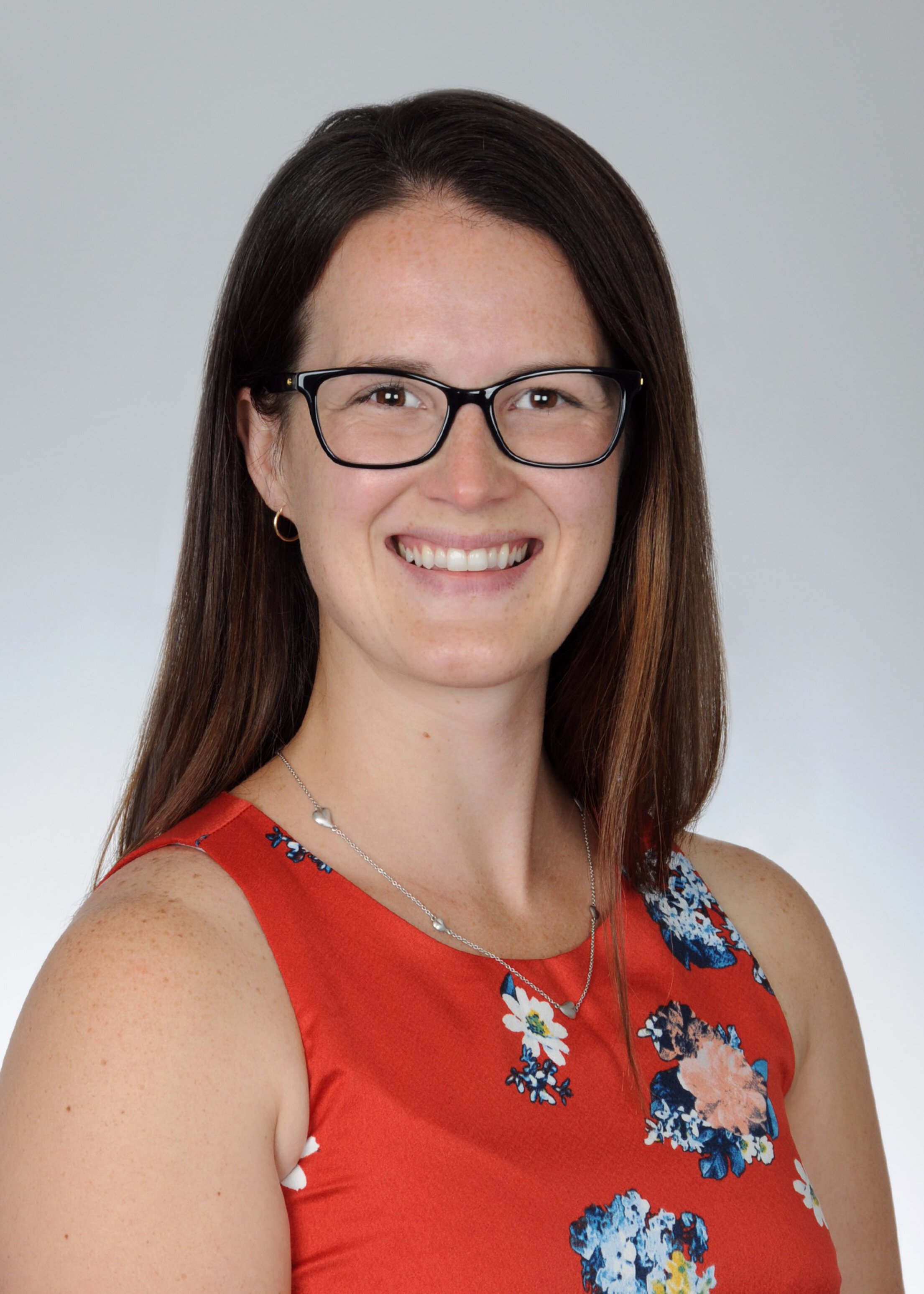
Laura Dell'Aiera
Director and Assistant Professor, Division of Cardiovascular Perfusion Director, Extracorporeal Science Program
Recent College of Health Professions stories