

Division of Occupational Therapy
Empower independence by shaping how people engage in everyday life through innovative occupational therapy education, practice, and research.
On This Page
Ranked
#8
occupational therapy program
U.S. News & World Report, 2026
7
Faculty Fellows of the AOTA*
*American Occupational Therapy Association
The MUSC Division of Occupational Therapy is among the nation's finest, ranked in the top 10% of occupational therapy programs by U.S. News and World Report. The division offers an entry-level Occupational Therapy Doctorate in two formats, residential and hybrid, as well as a Post Professional Occupational Therapy Doctorate (PPOTD) for practicing occupational therapists.
About the Profession
What is an occupational therapist?
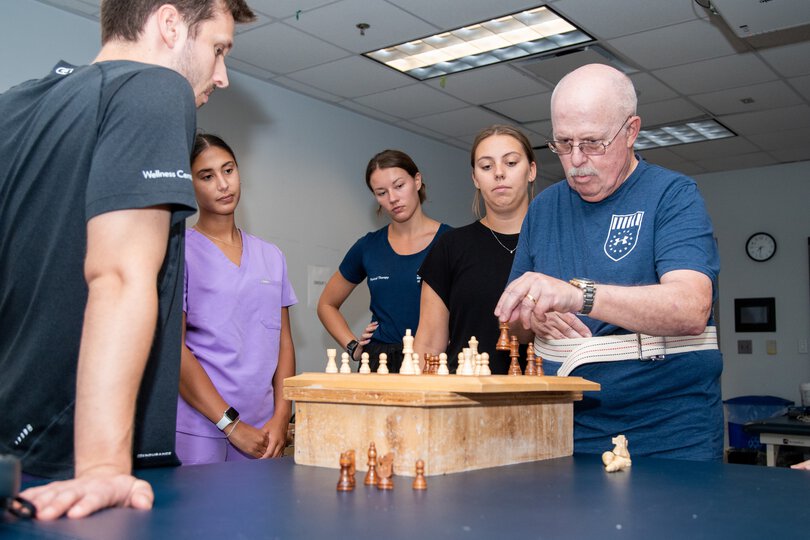
Occupational therapists are motivated and creative problem solvers who like working with people and translating scientific knowledge into everyday practicalities. They are collaborators who bring about desired change and attainment of meaningful goals. Sometimes new skill development is necessary, other times adapting the environment is essential for a productive life.
When people experience trauma, stress, or chronic health conditions their daily routines are often disrupted making it difficult to get up, get dressed, and go to work, make dinner, or enjoy family and friends. That’s when occupational therapists intervene to promote performance and participation in life. Helping people engage in everyday tasks and life roles is the trademark of an occupational therapist; it’s the key to successful living.
Occupational therapists are in demand. Hospitals, rehabilitation centers, outpatient clinics, home health agencies, community outreach programs, private practices, school-based settings, and specialty practices all employ occupational therapists.
The US Bureau of Labor Statistics lists occupational therapy as one of the top 20 professions for projected job growth in the next five years. Salaries in South Carolina begin in the mid-$50,000 range and vary by region. Practitioners can advance their careers in traditional settings, branch out into emerging areas of contemporary practice, and become leaders, entrepreneurs, educators, and researchers.
Maralynne D. Mitcham Lectureship
The Maralynne D. Mitcham Lectureship began in 2013 and honors her many contributions to the Division of Occupational Therapy and to the profession.

12th Annual Lectureship
This year's lectureship will be held on Friday, April 17th in MUSC's Baruch Auditorium. The events for the day will include morning CEU sessions, luncheon, and lecture.
Learn More
arrow_forward
Entry-Level Occupational Therapy Doctorate Program
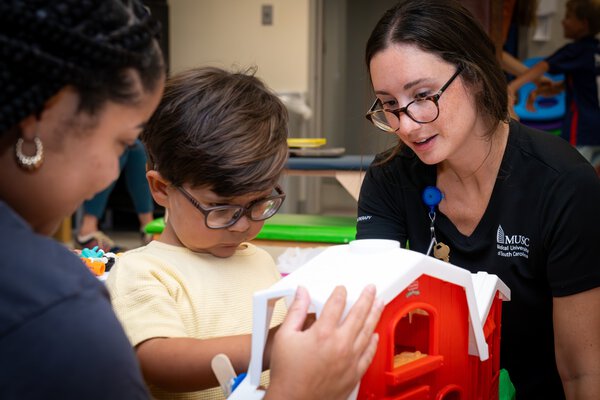
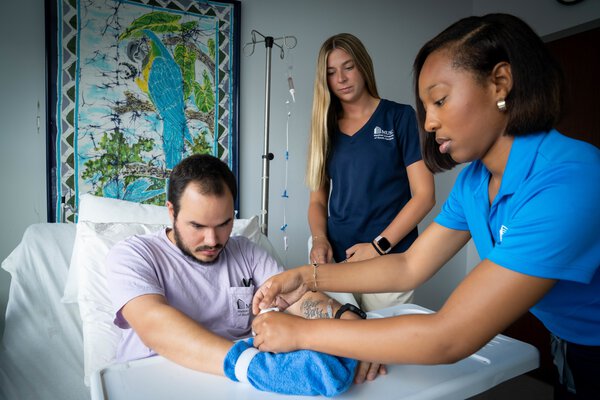
The Occupational Therapy Educational program at MUSC was the first professional, graduate entry-level program in the state of South Carolina. Today, it is available in two formats.
OTD Program Cost of Attendance
Post-Professional Occupational Therapy Doctorate
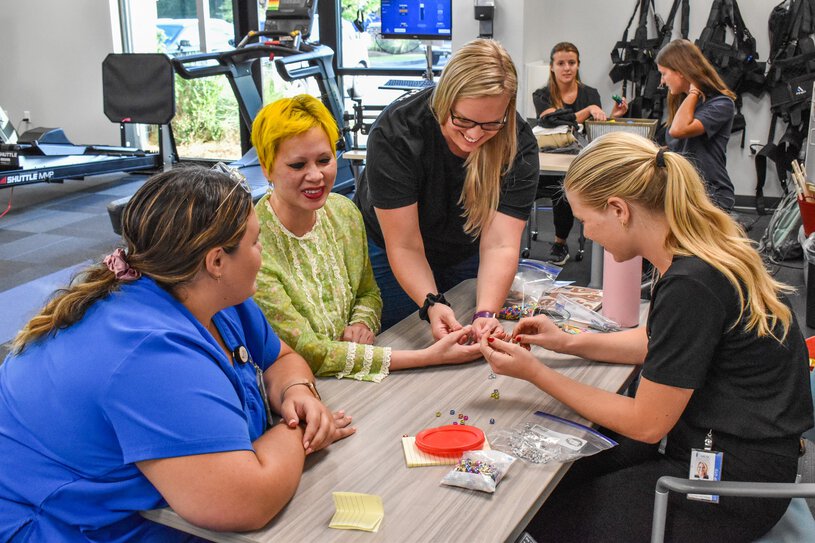
A online, affordable doctorate program for licensed, registered, occupational therapists (OTR/Ls) with a Masters degree who are ready to advance their careers.
Explore the Program
arrow_forward
OT News & Stories
College of Health Professions + CHP Student Stories
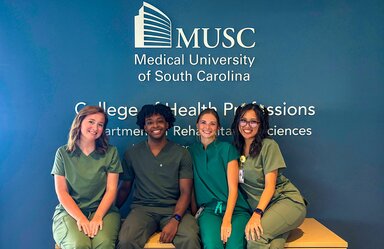
What Hybrid Learning Really Looks Like in MUSC's OTD Program
College of Health Professions + Division of Occupational Therapy
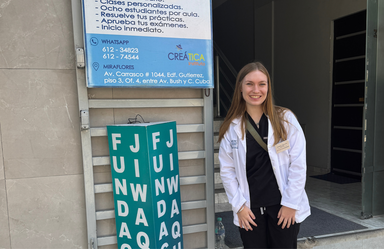
From La Paz to practice: My OTD capstone experience in La Paz, Bolivia
MUSC News + College of Health Professions
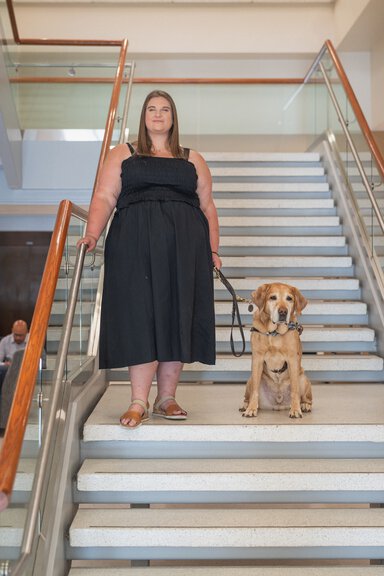
Resilient OT student a first for her program at MUSC
CARES Therapy Clinic
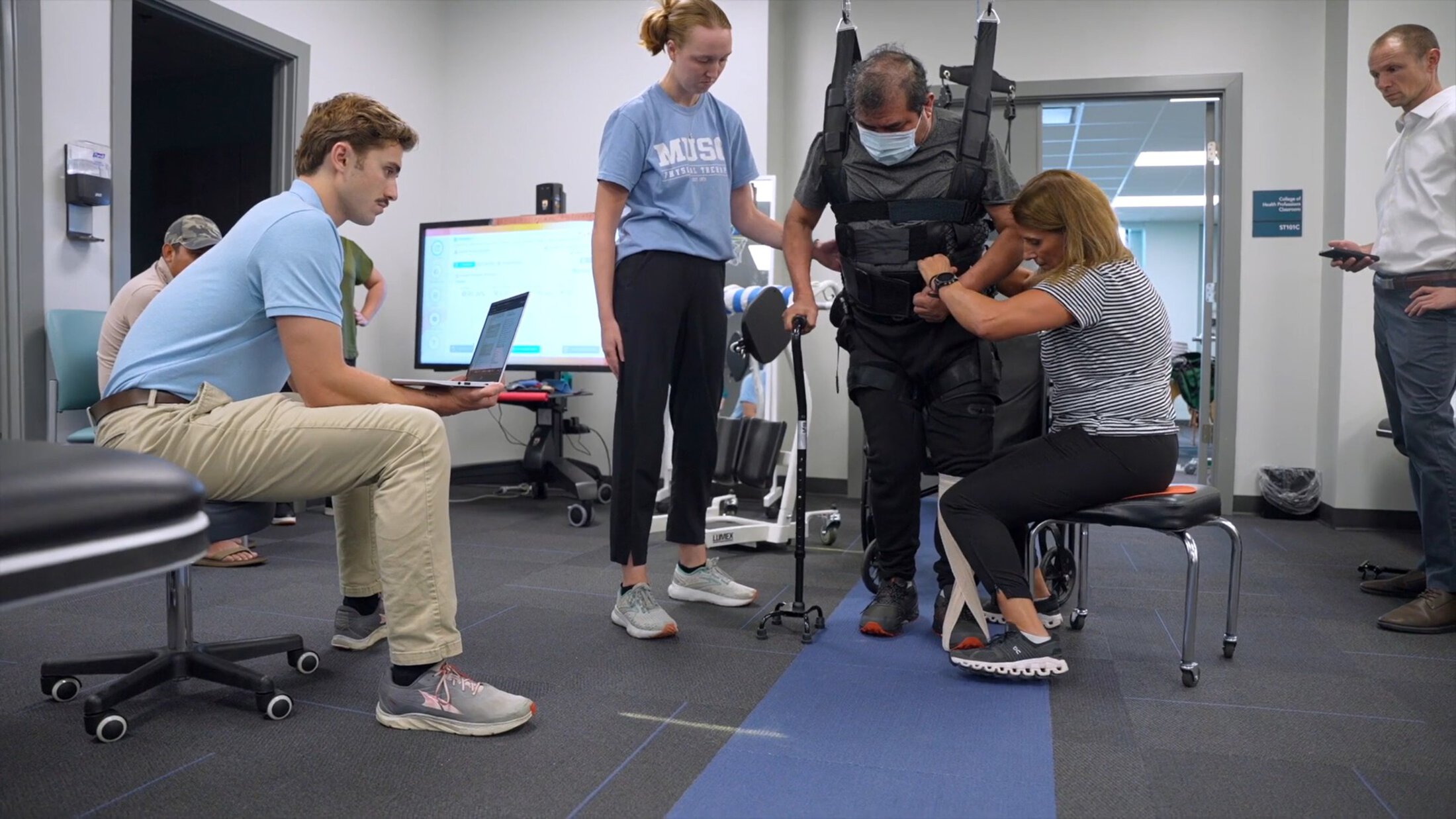
The student-run CARES Therapy Clinic provides a unique opportunity for students to gain hands-on, service-learning experience while providing pro-bono occupational therapy services to patients the Charleston area.
Division of Occupational Therapy Faculty
Residential OTD Faculty
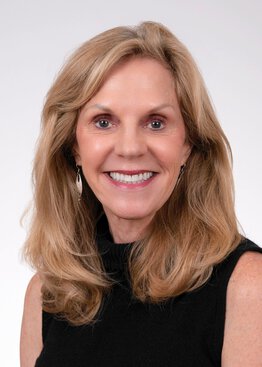
Roxanna Bendixen, Ph.D., OTR/L, FAOTA
Director and Professor, Division of Occupational Therapy
Roxanna Bendixen, Ph.D., OTR/L, FAOTA, is a tenured professor and director of the Division of Occupational Therapy in the College of Health Professions at the Medical University of South Carolina. Her education includes degrees in Occupational Therapy (OT), Health Sciences and a Doctor of Philosophy in Rehabilitation Science from the University of Florida. She is an experienced pediatric clinician, having worked in the areas of early intervention, outpatient, and school-based therapies. Her teaching and research expertise is in pediatric assessment and intervention.
Dr. Bendixen's research is focused in early-onset neuromuscular disorders and other rare diseases. She has received funding to explore outcomes in large clinical trials and has explored sleep outcomes and provided sleep interventions in children with rare disease. She has been teaching for more than 22 years in entry-level OT programs, post-professional OT programs, and Ph.D. programs. Dr. Bendixen has received awards in research, teaching and mentorship throughout her career, and was inducted into the American Occupational Therapy Association (AOTA) Roster of Fellows and received the AOTA Outstanding Mentor Award.
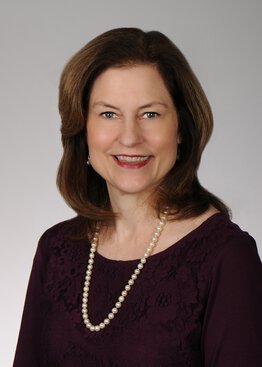
Nancy E. Carson, Ph.D., OTR/L, FAOTA
Interim Dean of the College of Health Professions
Professor, Division of Occupational Therapy
Nancy E. Carson, Ph.D., OTR/L, FNAP, FAOTA, is the Interim Dean of the College of Health Professions at the Medical University of South Carolina (MUSC) in Charleston, South Carolina. In this role, she provides leadership for the College of Health Professions and works with its academic programs, faculty, and staff to advance the College’s educational mission and support academic excellence. Prior to serving as Interim Dean, Dr. Carson was Associate Dean of Academic and Faculty Affairs, where she worked with programs throughout the College to ensure compliance with academic policies and procedures and to support faculty development.
Dr. Carson received her clinical training in occupational therapy from MUSC and completed a Ph.D. in Public Health (Health Promotion, Education, and Behavior) from the University of South Carolina. She has taught a variety of courses in the occupational therapy program at MUSC since 1990 and is the author of Psychosocial Occupational Therapy, which is used in occupational therapy educational programs throughout the United States.
Dr. Carson serves on the editorial boards of the Occupational Therapy in Mental Health Journal and the Journal of Occupational Therapy Education. She is active in the American Occupational Therapy Association and serves on the Executive Committee of the South Carolina Occupational Therapy Association. In 2016, she was named to the Roster of Fellows by the American Occupational Therapy Association for significant contributions as a leader, educator, and mentor in community mental health. In 2020, she was inducted into the National Academies of Practice as a Distinguished Fellow of the Occupational Therapy Academy. In 2024, she received the Lifetime Award from the South Carolina Occupational Therapy Association, and in 2026, she was accepted into the Occupational Therapy Leaders and Legacies Society.
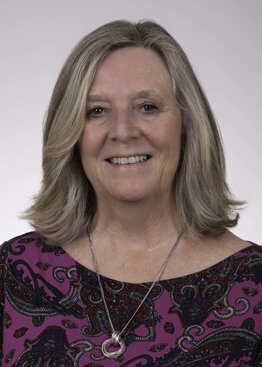
Joy Crawford, OTD, MSRS, OTR/L
Assistant Professor, Division of Occupational Therapy
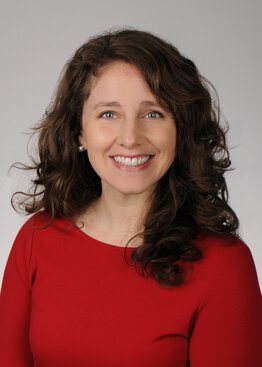
Amanda Giles, OTD, OTR/L, FAOTA
Professor, Division of Occupational Therapy
Amanda K. Giles, OTD, MSOT, OTR/L, FAOTA is a tenured Professor at the Medical University of South Carolina (MUSC). She is a recipient of the AOTA Distinguished Educator Award, AOTA Emerging and Innovative Practice Award, AOTA Roster of Fellows, MUSC Educator of the Year, and MUSC Innovator of the Year. She is the Co-Director for the AOTA Scholarship of Teaching and Learning Institute and Mentoring Program and was the lead author for the AOTA Occupational Therapy Curriculum Design Framework. As the President and Chief Innovation Officer for International Clinical Educators, she designed DocuLearn, an electronic documentation learning system and continues to create instructional design resources and mentor faculty in the use of authentic video cases and electronic documentation. Her scholarly interests include educational technology, simulated patient encounters, reflective video analysis, video case-based learning, and faculty development.
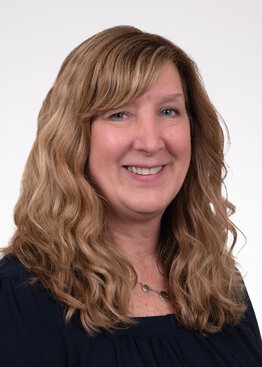
Nadine Hanner, OTD, MSOT, OTR/L
Assistant Professor, Division of Occupational Therapy
Academic Fieldwork Coordinator, Doctor of Occupational Therapy - Residential Program
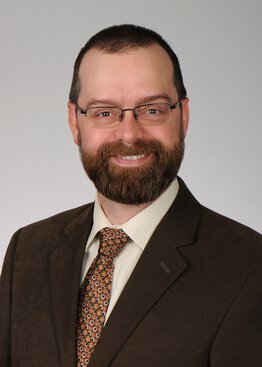
Scott Hutchison, OTD, OTR/L
Assistant Professor, Division of Occupational Therapy
Dr. Scott Hutchison is an occupational therapist and assistant professor in the Residential Occupational Therapy program at the Medical University of South Carolina. He has been an OT since 2006, and much of his clinical career was in Medicare-certified home health and Hospice. The primary role of OTs is to maximize a client’s independence and engagement in life’s meaningful activities and occupations, from basic dressing or feeding to complex baking, working, or caregiving. OT is appropriate for clients in all stages of life. Dr. Hutchison is passionate about extending the services of OT to more clients receiving Palliative Care who may be limited from engagement due to pain, breathlessness, weakness, limited mobility, and cognitive impairments. He is also an OT Doctorate Capstone advisor and mentor to students developing projects in Palliative Care and Oncology Rehabilitation.
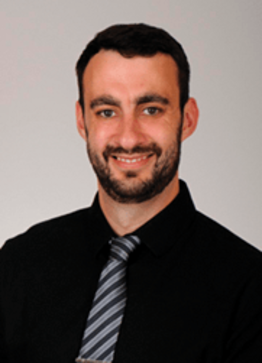
Corey Morrow, Ph.D., OTR/L
Associate Professor, Division of Occupational Therapy
Dr. Morrow's overall research goal is to improve the delivery of rehabilitation to maximize patient outcomes and access to care while minimizing barriers including cost. He applies concepts of health economics to rehabilitation to help patients, therapists, and policymakers make objective, data-driven decisions. He is a 2023 American Occupational Therapy Foundation Health Services grant recipient for his project "Access to Tele-rehabilitation for Rural and Socially Disadvantaged Stroke Survivors during COVID-19". Dr. Morrow was also a 2022 Learning Health Systems Scholar when he was partnered with the University of Pittsburgh's Center for Assistive Technology.
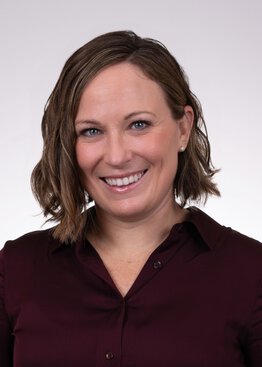
Brooke Mulrenin, Ph.D., MOT
Assistant Professor, Division of Occupational Therapy
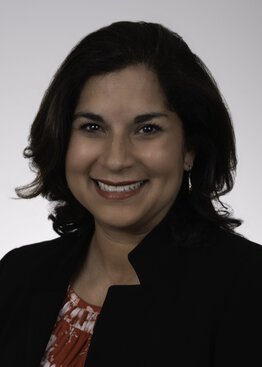
Cristina Reyes Smith, OTD, OTR/L, FAOTA
Associate Professor, Division of Occupational Therapy
Director of Admissions, Doctor of Occupational Therapy - Residential Program
Dr. Cristina Reyes Smith is the current Vice President (2024 to present) of the American Occupational Therapy Association (AOTA) and serves on the Board of Directors. She also serves as a Non-Voting Member on the Board of Trustees of the American Occupational Therapy Foundation (AOTF). She previously served in several national leadership roles including as a Director on the AOTA Board of Directors (2020 to 2023) and Editorial Board of the Journal of Occupational Therapy Education (JOTE) (2020 to 2024). She was the Founder and Business Development Coordinator (2012 to 2020) for Vida Bella Services, LLC, a pediatric agency providing early intervention and outpatient occupational therapy and physical therapy services with a focus on access to quality care with the local and surrounding rural communities.
Dr. Smith is an Associate Professor in the College of Health Professions (CHP) Division Occupational Therapy Doctorate (OTD) program at the Medical University of South Carolina (MUSC). She teaches courses on Leadership & Management, advises student organizations, and mentors doctoral capstone project students in the Entry-Level and Post-Professional OTD programs there. Her accomplishments include publications and presentations across the U.S. and internationally. She has served as the Chair of the CHP Faculty Assembly (2023 to 2024), Chair of the MUSC Faculty Senate Institutional Advancement Committee (2021 to 2023), and Co-Director of the HRSA-MUSC Occupational Therapy Scholarship program (2020 to present).
Dr. Smith is a graduate of the Occupational Therapy Doctorate (OTD) program at Thomas Jefferson University and the Masters in Occupational Therapy program at the Medical University of South Carolina (MUSC). Through these programs she completed additional coursework Disabilities Studies, Global Health, and Graduate Teaching in the 21st Century. She was a participant of the 2021 MUSC Emerging Leaders Program, the 2012 AOTA Emerging Leaders Program, and the 2005-2006 MUSC Presidential Scholars Program as a Student Scholar. She has 20 years of experience in the field and has expertise in community health promotion, program development, and leadership development with a focus on access to care. She has conducted presentations and published manuscripts locally, nationally, and internationally.
Dr. Smith is an Associate Professor in the College of Health Professions (CHP) Division Occupational Therapy Doctorate (OTD) program at the Medical University of South Carolina (MUSC). She teaches courses on Leadership & Management, advises student organizations, and mentors doctoral capstone project students in the Entry-Level and Post-Professional OTD programs there. Her accomplishments include publications and presentations across the U.S. and internationally. She has served as the Chair of the CHP Faculty Assembly (2023 to 2024), Chair of the MUSC Faculty Senate Institutional Advancement Committee (2021 to 2023), and Co-Director of the HRSA-MUSC Occupational Therapy Scholarship program (2020 to present).
Dr. Smith is a graduate of the Occupational Therapy Doctorate (OTD) program at Thomas Jefferson University and the Masters in Occupational Therapy program at the Medical University of South Carolina (MUSC). Through these programs she completed additional coursework Disabilities Studies, Global Health, and Graduate Teaching in the 21st Century. She was a participant of the 2021 MUSC Emerging Leaders Program, the 2012 AOTA Emerging Leaders Program, and the 2005-2006 MUSC Presidential Scholars Program as a Student Scholar. She has 20 years of experience in the field and has expertise in community health promotion, program development, and leadership development with a focus on access to care. She has conducted presentations and published manuscripts locally, nationally, and internationally.
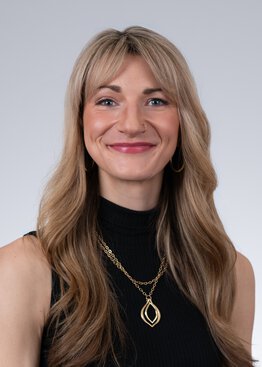
Grace Turner, MSOT, OTR/L, OTD
Assistant Professor, Division of Occupational Therapy
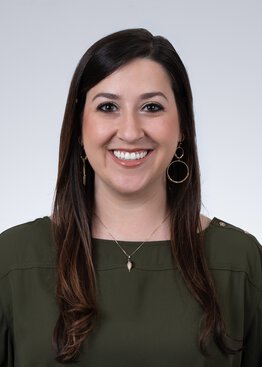
Skylar Warmund, OTD, OTR/L, CSRS
Instructor, Division of Occupational Therapy
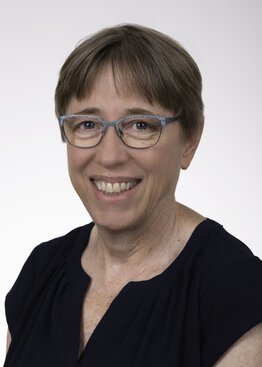
Michelle L. Woodbury, Ph.D., OTR/L, FAOTA
Director, Post-Professional Occupational Therapy Doctorate Program
Professor, Department of Health Sciences & Research
Residential OTD Additional Faculty
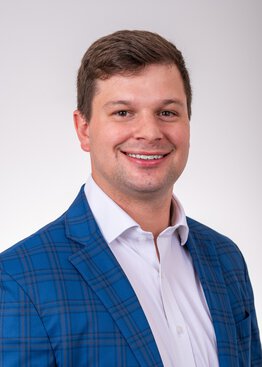
Nick Orton, PT, DPT
Assistant Professor, Division of Occupational Therapy
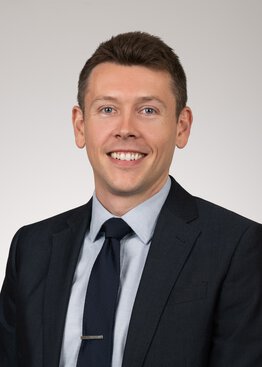
Bryant A. Seamon, PT, DPT, Ph.D.
Assistant Professor, Division of Physical Therapy
Hybrid OTD Faculty
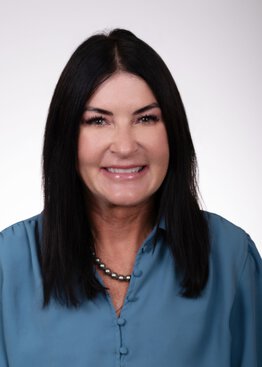
Twylla Kirchen, Ph.D., OTR/L, CLA, FAOTA
Director, Doctor of Occupational Therapy – Hybrid Program
Associate Professor, Division of Occupational Therapy
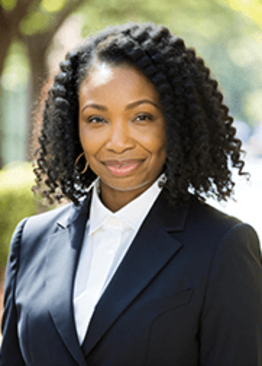
Amber Armstead, DrPH, OTR, BCPR, FAOTA
Associate Professor, Division of Occupational Therapy
Academic Fieldwork Coordinator, Doctor of Occupational Therapy - Hybrid Program
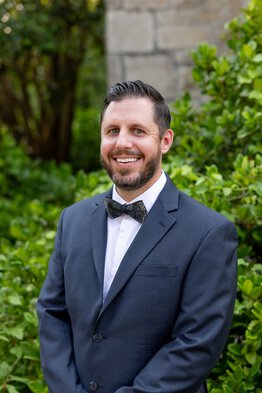
Jesse Ausec, OTD, OTR/L, SIPT
Assistant Professor, Doctor of Occupational Therapy - Hybrid Program
Division of Occupational Therapy
Dr. Ausec earned his Bachelor of Education in Exercise and Sport Science from the University of Georgia and his Master of Science in Occupational Therapy from Brenau University. In 2025, he earned his Doctorate in Occupational Therapy through the Medical University of South Carolina's Post-Professional OTD Program.
Dr. Ausec has 13 years of clinical experience, primarily in pediatric-based settings. He holds specialty certifications in autism spectrum disorder, sensory integration, and pediatric trauma and attachment disorders. Dr. Ausec has held various leadership positions with the South Carolina Occupational Therapy Association (SCOTA) and the American Occupational Therapy Association (AOTA).
In 2019, Dr. Ausec transitioned to academia as adjunct faculty and moved to a full-time instructor in 2023. His scholarly interests include the topics of pediatrics, sensory integration, and professional development, including research related to the Mauna Model, a conceptual model he developed that focuses on the professional development of OT professionals.

Marc Bartholdi, OTD, OTR/L, CHT
Assistant Professor, Occupational Therapy Doctorate - Hybrid Program
Division of Occupational Therapy
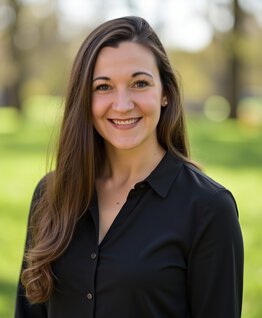
Regan Blankenship, DHS, MS, OTR/L
Assistant Professor, Occupational Therapy Doctorate - Hybrid Program
Division of Occupational Therapy
Dr. Blankenship earned her Bachelor of Science in Health Science and Master of Science in Occupational Therapy from Spalding University in Louisville, Kentucky. She later completed her Doctorate in Health Science at the University of Indianapolis in Indianapolis, Indiana.
For over a decade, Dr. Blankenship practiced in hospital and outpatient settings, specializing in pediatric occupational therapy. Her primary focus was working with children diagnosed with cerebral palsy and complex neurological conditions. During her clinical career, she contributed to the development of a specialized protocol for the early treatment of unilateral cerebral palsy.
In 2024, Dr. Blankenship transitioned to full-time academia. Her teaching centers on her clinical expertise, particularly in pediatrics and neurological rehabilitation. Her scholarly interests include constraint-induced movement therapy, dynamic movement intervention, and follow-up care for infants discharged from the NICU.
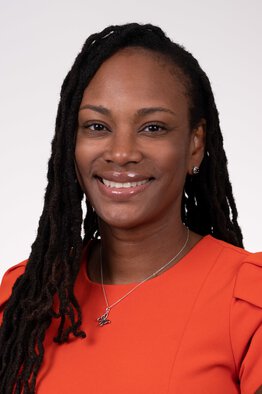
Zesarae Bodie, OTD, MPH, OTR/L
Assistant Professor, Division of Occupational Therapy
Admissions Co-Coordinator, Occupational Therapy Doctorate - Hybrid Program
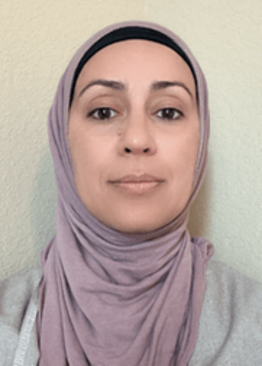
Lima Ghulmi, OTD, OTR
Assistant Professor, Division of Occupational Therapy
Doctoral Capstone Director, Occupational Therapy Doctorate - Hybrid Program
Anna B. Harris, OTD, OTR/L, BCG
Assistant Professor, Occupational Therapy Doctorate - Hybrid Program
Division of Occupational Therapy
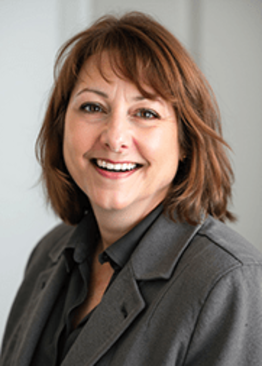
Sandra Rogers, Ph.D., OTR/L, FAOTA
Professor, Occupational Therapy Doctorate - Hybrid Program
Division of Occupational Therapy
Professor
843-310-0959 , rogesand@musc.edu
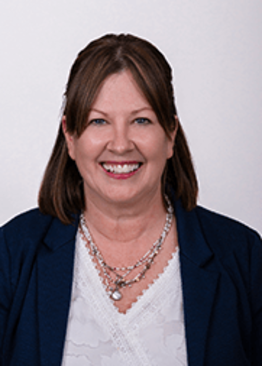
Eileen Scanlon, OTD, MBA, OTR/L, CHT
Assistant Professor, Division of Occupational Therapy
Admissions Coordinator, Occupational Therapy Doctorate - Hybrid Program
Hybrid OTD Additional Faculty
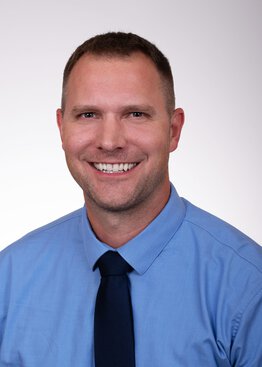
Mark Wilhelm, PT, DPT, Ph.D.
Associate Professor, Doctor of Physical Therapy – Hybrid Program
Division of Physical Therapy
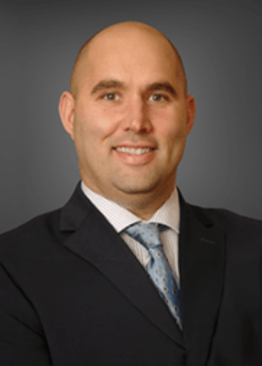
David Griswold, Ph.D., DPT
Associate Professor, Doctor of Physical Therapy – Hybrid Program
Division of Physical Therapy
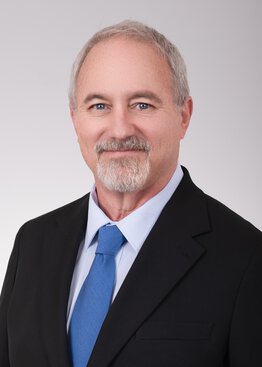
Thomas Longbottom, PT, DPT, NCS-Emeritus
Associate Professor, Doctor of Physical Therapy – Hybrid Program
Division of Physical Therapy
Our Staff
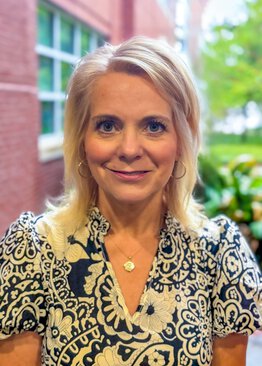
Kerri Bailey
Administrative Coordinator, Hybrid OTD Program - Occupational Therapy & Rehabilitation Sciences
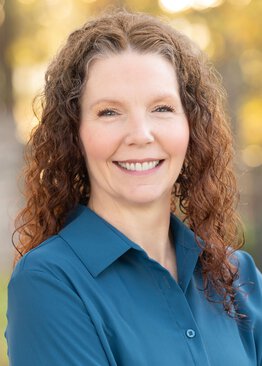
Jenna Gillis, MS
Manager, OTD Hybrid Program, Division of Occupational Therapy, Department of Rehabilitation Sciences
Brittany Guthrie, M.Ed., CSSGB
Student Services Coordinator, Occupational Therapy Doctorate - Hybrid program
Kelley McElroy
Administrative Assistant
843-792-4827 , mcelroyk@musc.edu
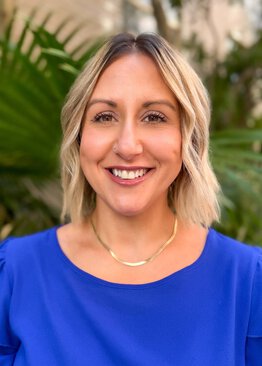
Dana Rauchmiller
Program Coordinator, Hybrid Occupational Therapy Doctorate program, Clinical Education
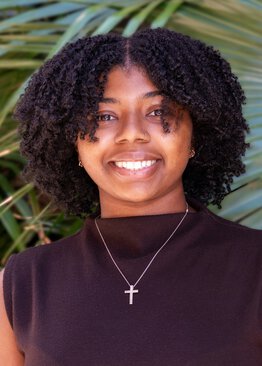
Aja Shilo-Evans
Program Coordinator, Residential OTD program, Clinical Education
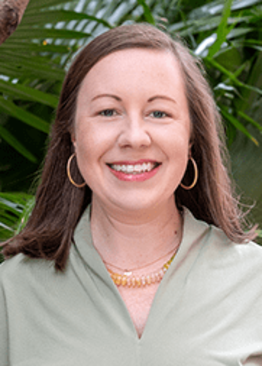
Amanda Tucker, M.Ed.
Student Services Program Coordinator, Doctor of Occupational Therapy - Residential and Post-Professional Doctor of Occupational Therapy programs
Accreditation
The entry-level occupational therapy doctoral degree program is accredited by the Accreditation Council for Occupational Therapy Education (ACOTE) of the American Occupational Therapy Association (AOTA), located at 7501 Wisconsin Avenue, Suite 510E, Bethesda, MD 20814. ACOTE’s telephone number c/o AOTA is (301)652-AOTA and its web address is acoteonline.org.
The MUSC Division of Occupational Therapy received substantive change approval to offer a hybrid format in September 2024.
Entry-Level Occupational Therapy Doctorate Program Outcomes
Graduates will be eligible to sit for the national certification examination for the occupational therapist administered by the National Board for Certification in Occupational Therapy (NBCOT). After successful completion of this exam, the individual will be an Occupational Therapist, Registered (OTR). Passing the NBCOT Certification Examination is necessary, but each state may have additional requirements for state licensure. You can find information about state licensure here. Note that a felony conviction may affect a graduate's ability to sit for the NBCOT certification examination or attain state licensure.
National Board for Certification in Occupational Therapy (NBCOT) Exam
Program graduates are eligible to take the certification examination administered by the National Board for Certification in Occupational Therapy, Inc., 12 South Summit Avenue, Suite 100, Gaithersburg, Maryland, 20877-4150; telephone: 301-990-7979; fax: 301-869-8492.
View our results on the NBCOT website.
Occupational Therapy Doctorate - Residential
| Year | Overall Pass Rate |
|---|---|
| 2022 | 100% |
| 2023 | 100% |
| 2024 | 100% |
| 2025 | 98% |
Occupational Therapy Doctorate - Hybrid
| Year | Overall Pass Rate |
|---|---|
| 2028 | TBD |
| 2029 | TBD |
| 2030 | TBD |
Graduation Rates
Occupational Therapy Doctorate - Residential
| Year | Students Entering | Students Graduating | Graduation Rate |
|---|---|---|---|
| 2022 | 48 | 47 | 98% |
| 2023 | 52 | 51 | 98% |
| 2024 | 54 | 51 | 94% |
| 2025 | 58 | 54 | 93% |
| Total | 212 | 203 | 96% |
Occupational Therapy Doctorate - Hybrid
| Year | Students Entering | Students Graduating | Graduation Rate |
|---|---|---|---|
| 2028 | 67 | TBD | TBD |
| 2029 | TBD | TBD | TBD |
| 2030 | TBD | TBD | TBD |
| Total | 67 | TBD | TBD |