

Division of Physical Therapy
Empower movement and wellness through top-ranked physical therapy education, clinical excellence, and innovative research that transforms lives and practice.
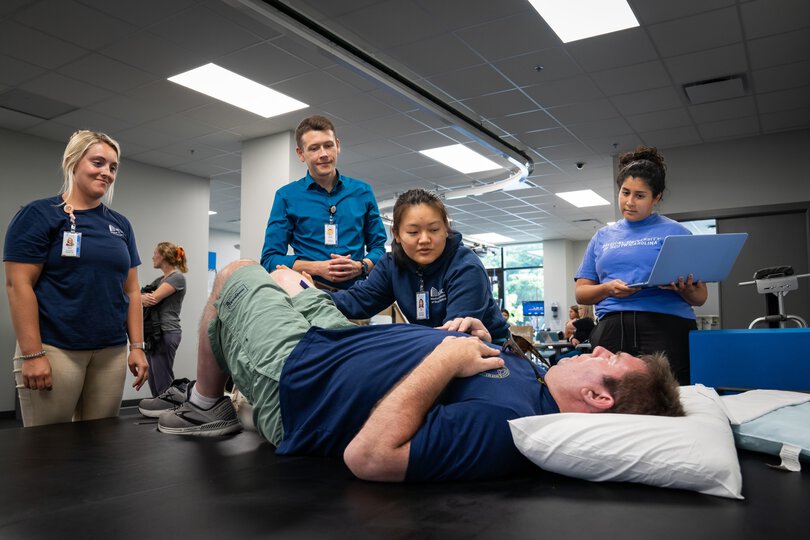
The MUSC Division of Physical Therapy is among the top programs in the nation, ranked in the top 10% of physical therapy programs by U.S. News & World Report. The division offers a Doctor of Physical Therapy program in two formats, residential and hybrid, as well as four residency programs for practicing physical therapists.
Division of Physical Therapy by the numbers
Ranked
#25
physical therapy program
U.S. News & World Report, 2026
2
Doctor of Physical Therapy program formats
4
Physical Therapy residency programs
98.5%
overall NPTE exam pass rate
As reported by the Federation of State Boards of Physical Therapy for 2024.
About the Profession
What does a physical therapist (PT) do?
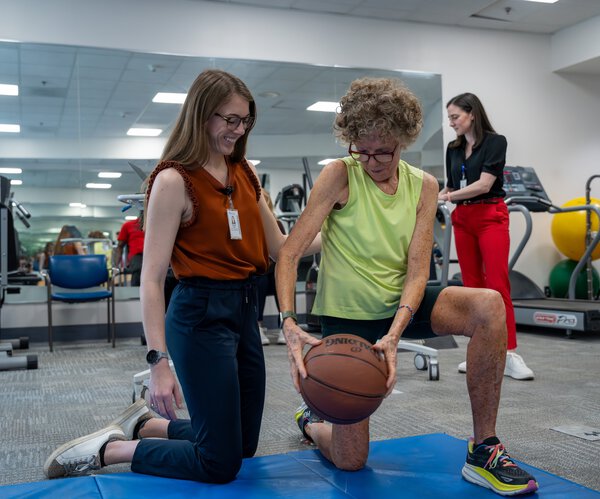
PTs examine, diagnose, and treat individuals of all ages, from newborns to the elderly, with health-related conditions that limit their ability to move and function daily. After an examination, they develop an individualized plan using research-based and clinically proven treatment techniques to promote the ability to move, reduce pain, restore function, and prevent disability.
PTs help people understand their bodies so that they can manage health conditions. They also work with individuals to prevent mobility loss before it occurs by developing fitness and wellness-oriented programs for healthier and more active lifestyles. PTs refer to and collaborate with other health professionals to help their patients achieve optimum mobility and quality of life.
What settings do physical therapists work in?
PTs provide individualized care for people in a variety of settings, including hospitals, private practices, outpatient clinics, home health agencies, schools, sports and fitness facilities, work settings, and skilled nursing facilities.
Physical Therapy Career Outlook
Physical therapy consistently ranks among the most satisfying careers, according to U.S. News & World Report. In 2026, it ranked as the No. 14 Best Health Care Job, and No. 37 in the 100 Best Jobs. Many physical therapists (PTs) find great satisfaction in helping individuals move forward with their daily lives after an illness, injury, or surgery. They may also enjoy problem-solving to help create the best outcome for their patients and the option to specialize in a specific patient population like pediatrics, geriatrics, neurological conditions, or sports medicine.
In 2024, the median annual wage for physical therapists (PTs) was $101,020. The employment outlook is promising, with projected growth of 11 percent from 2024 to 2034. This growth rate is significantly faster than the average for other occupations, based on data from the Bureau of Labor Statistics (BLS). Salaries for PTs can vary depending on factors such as experience, location, and place of employment.
How to Become a Physical Therapist
If you’re ready to start planning your future as a physical therapist here is a look at the process.
- Earn your bachelor’s degree from a regionally accredited institution. A specific major is not typically required, but rigorous science coursework is recommended. Students also need to complete the required prerequisite coursework for their program, or programs, or interest.
- Shadow or observe a PT to gain a better understanding of the profession and show the programs you’re applying to that you’re committed.
- Earn a Doctor of Physical Therapy degree from a CAPTE-accredited program, like MUSC’s DPT program.
- After graduating, take and pass the National Physical Therapy Examination (NPTE), and complete any licensure requirements for the state you live in.
- Now that you’re licensed, consider a specialty with additional education like a residency program.
Doctor of Physical Therapy Programs
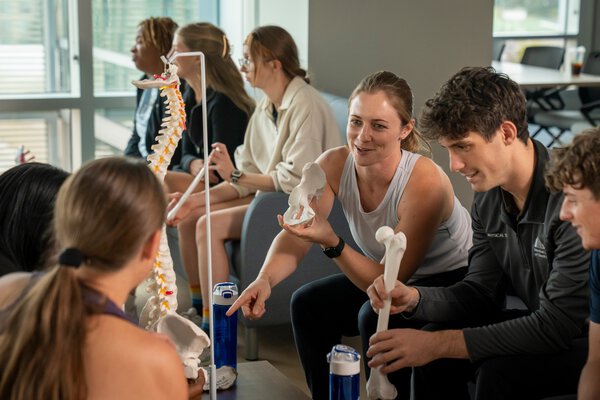
Since 1973, MUSC has been a leader in physical therapy education. The MUSC Doctor of Physical Therapy program prepares confident, practice‑ready clinicians through a nationally respected, evidence‑based curriculum backed by the strength of an academic medical center. Whether you choose our residential or hybrid format, you’ll experience the same rigorous training, hands‑on clinical learning, and individualized support that defines the MUSC experience.
Physical Therapy Residency Programs
A residency promotes lifelong learning among the residency graduates through preparation to assume a leadership role in the treatment of patients as well as educating and training other health care providers.

Pediatric Residency
Make a lasting impact for children and families. Build reflective, evidence-based practice skills that enhance outcomes, participation, and whole-family care.
physical therapy pediatric residency
arrow_forward

Neurologic Residency
Strengthen every dimension of your practice, from neuroplasticity and movement analysis to business strategy, cultural competence, and leadership.
physical therapy neurologic residency
arrow_forward

Orthopedic Residency
Step into the next level of orthopedic practice. Build expert assessment skills, sharpen clinical reasoning, and use evidence to drive better outcomes for every patient.
physical therapy orthopedic residency
arrow_forward

Geriatric Residency
Prepare to lead in healthy aging. This holistic residency advances movement-based care, addresses social determinants, and builds interprofessional skills to improve older adults’ lives.
physical therapy geriatric residency
arrow_forward
PT News & Stories
CHP Student Stories + College of Health Professions
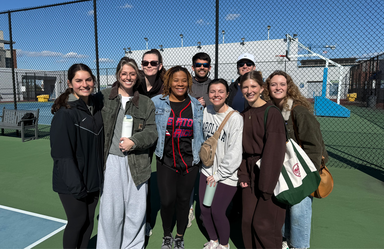
Inspired by Experience, Driven by Purpose: Emily DeTomaso’s Journey to Physical Therapy at MUSC
College of Health Professions + Division of Physical Therapy
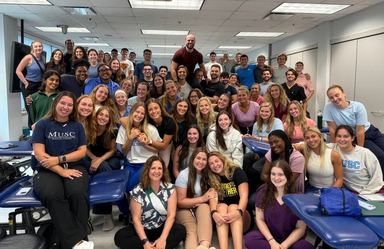
A hybrid DPT student's perspective on lab immersions: Meet Olivia Maness
College of Health Professions + Division of Physical Therapy
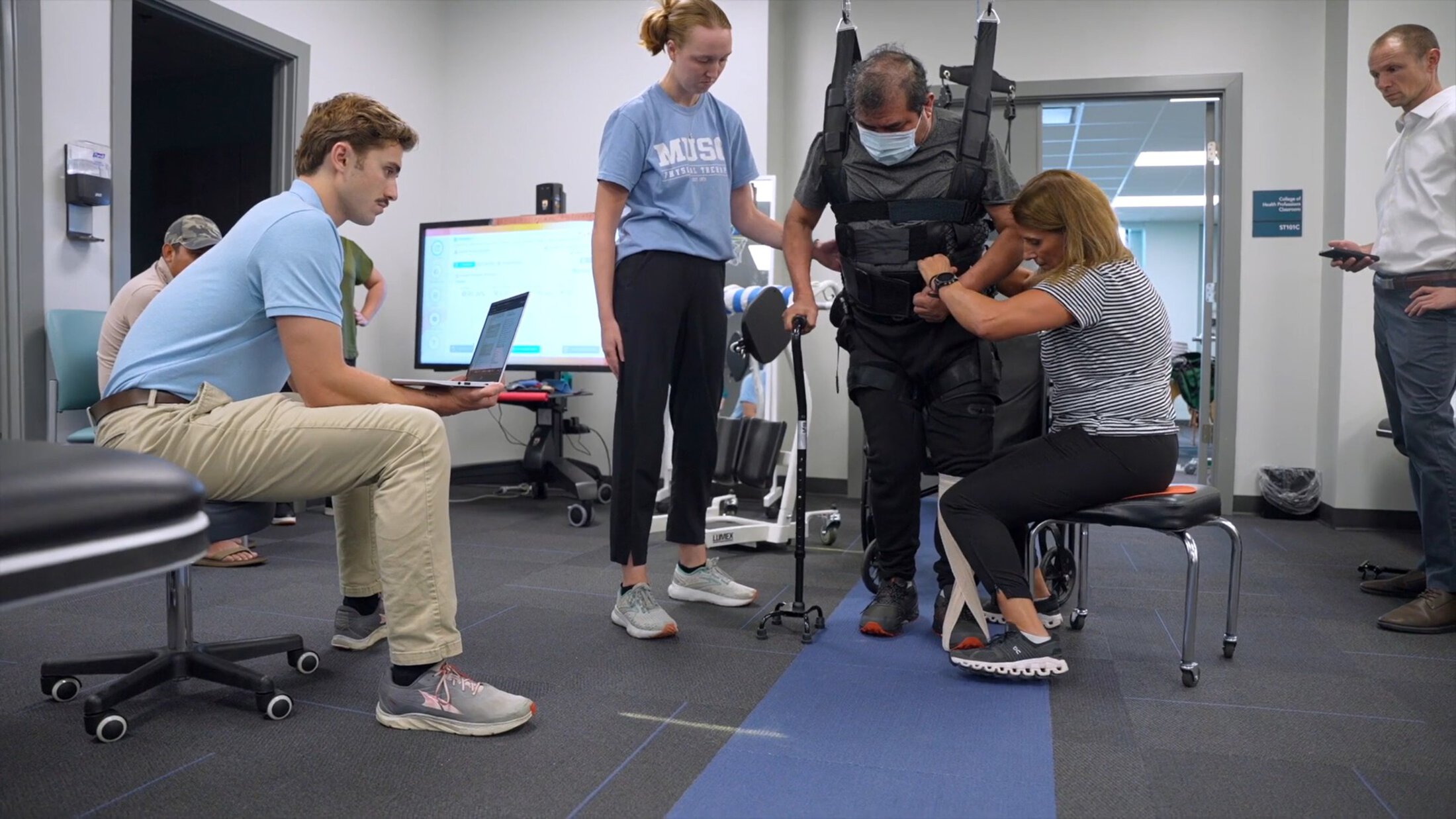
Inside MUSC’s CHP-D Building: A Space Tailored to How Students Learn
CARES Therapy Clinic
The student-run CARES Therapy Clinic provides a unique opportunity for students to gain hands-on, service-learning experience while providing pro-bono occupational therapy services to patients the Charleston area.
Division of Physical Therapy Faculty
Residential DPT Faculty
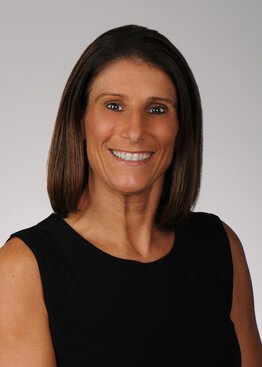
Sara Kraft, PT, DPT, NCS
Director and Professor, Doctor of Physical Therapy - Residential Program
Division of Physical Therapy
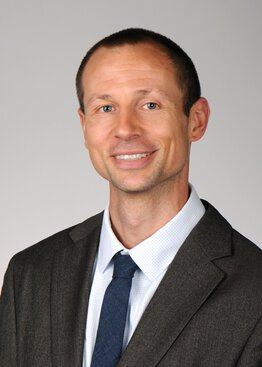
Jesse Dean, Ph.D.
Co-Director, Health & Rehabilitation Science Ph.D. Program
Professor, Department of Rehabilitation Sciences
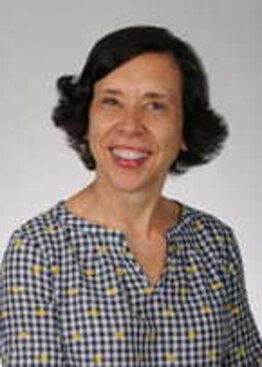
Cynthia B. Dodds, PT, Ph.D., PCS
Associate Professor, Division of Physical Therapy
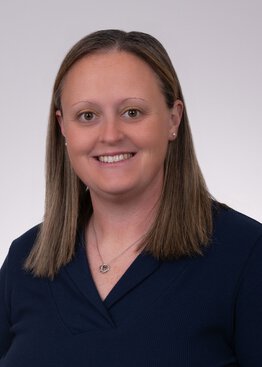
Caitlin Keller, PT, DPT, M.Ed.
Instructor, Division of Physical Therapy
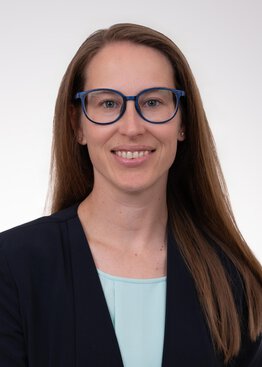
Sarah Elder, PT, DPT, NCS
Instructor, Division of Physical Therapy
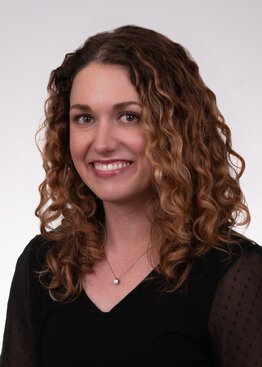
Victoria Harris, PT, DPT
Instructor, Division of Physical Therapy
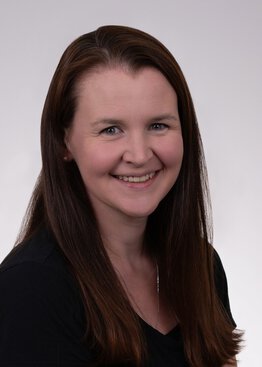
Brigid Lucas, PT, DPT, NCS
Instructor, Division of Pysical Therapy
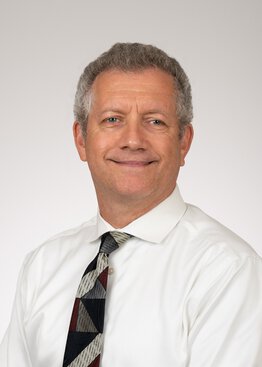
Kenneth Miller, PT, DPT, MA
Director, Physical Therapy Geriatric Residency
Associate Professor, Division of Physical Therapy
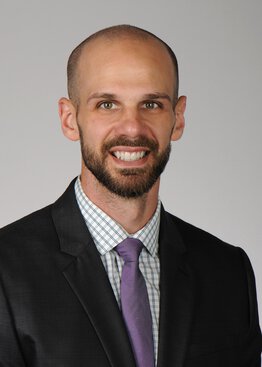
Eric Monsch, PT, DPT, NCS
Assistant Professor, Rehabilitation Sciences
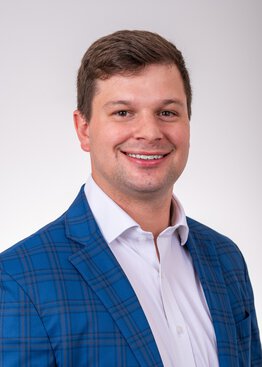
Nick Orton, PT, DPT
Assistant Professor, Division of Occupational Therapy
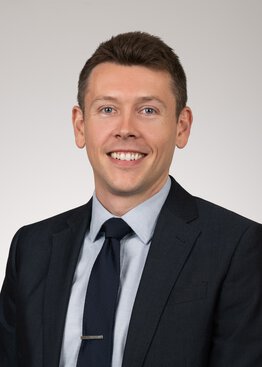
Bryant A. Seamon, PT, DPT, Ph.D.
Assistant Professor, Division of Physical Therapy
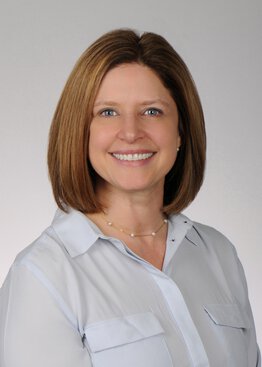
Gretchen A. Seif, PT, DPT, MHS, OCS, FAAOMPT
Professor, Division of Physical Therapy
Gretchen Seif, PT, DPT, has over 25 years experience working with individuals with musculoskeletal dysfunction as a clinician in an outpatient physical therapy clinic. She is an Associate Professor at the Medical University of South Carolina, teaching in the musculoskeletal lab series. She also serves as the faculty co-coordinator of the MUSC student-run interprofessional free PT/OT clinic. She received her BS in Physical Therapy from the Ohio State University in 1993, her Master’s in Health Sciences from MUSC in 1997, and a Doctorate of Physical Therapy in 2009 from Regis University. She also maintains a current clinical practice.
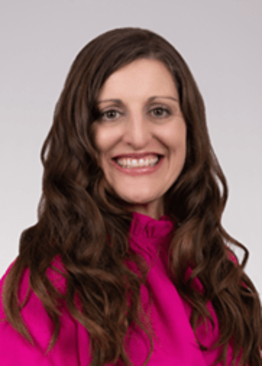
Jodie Smith, PT, DPT, COMT, OCS
Assistant Professor, Division of Physical Therapy
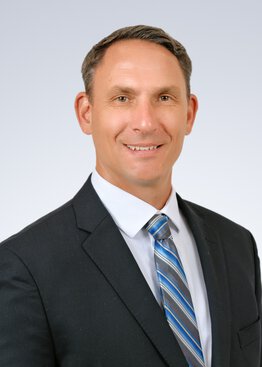
Ryan Zarzycki, PT, Ph.D.
Professor, Division of Physical Therapy
Focus: Sports and Orthopedic Rehabilitation
Hybrid DPT Faculty
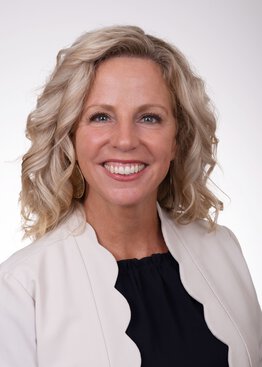
Megan Donaldson, PT, Ph.D., FAAOMPT
Chair and Professor, Department of Rehabilitation Sciences
Director, Division of Physical Therapy
Director, Doctor of Physical Therapy – Hybrid Program
Megan Donaldson, PT, Ph.D., FAAOMPT, is a highly accomplished physical therapy professional with 24 years of experience, including 17 years in education. She is a tenured professor at the Medical University of South Carolina (MUSC). Her expertise includes leading the Department of Rehabilitation and managing faculty teams for occupational therapy (OT), physical therapy (PT), and speech-language pathology (SLP), thereby playing a vital role in shaping the future of rehabilitation education. She was also the inaugural founding program director of the Tufts Doctor of Physical Therapy (DPT) program in Boston, MA.
Dr. Donaldson’s clinical background includes running a private practice and serving as a senior therapist and team leader in hospital-based outpatient and home health settings. She has maintained a pro bono clinical role at a local clinic for the past 10 years. As a Fellow of the American Academy of Orthopaedic Manual Physical Therapists (FAAOMPT), she is dedicated to clinical excellence and maintaining the highest standards in manual therapy. Her commitment to advancing the profession is demonstrated through her completion of the Higher Education Leadership Fellowship, offered by the American Physical Therapy Association (APTA), in 2021.
She actively contributes to scholarly work through peer-reviewed publications, book chapters, and presentations. Her research focuses on musculoskeletal health, patient-centered care, manual therapy, educational practices, and leadership topics both nationally and internationally. Dr. Donaldson has a broad scope of service at the state and national levels, including roles as delegate and chief delegate for the Ohio Chapter of the APTA. She holds numerous national service and board positions and is currently serving as the president of the American Academy of Orthopaedic Manual Physical Therapists.
Links

Jake Awruch, DPT, OCS, FAAOMPT
Assistant Professor, Doctor of Physical Therapy – Hybrid Program
Division of Physical Therapy
Paul Colbert, PT, DPT
Assistant Professor, Doctor of Physical Therapy – Hybrid Program
Division of Physical Therapy
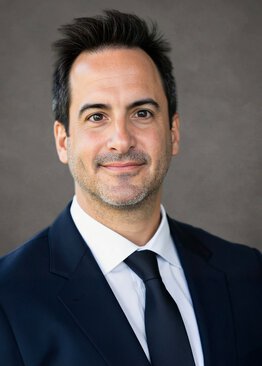
Steven Dischiavi, PT, DPT, Ph.D., SCS
Associate Professor, Doctor of Physical Therapy - Hybrid Program
Division of Physical Therapy
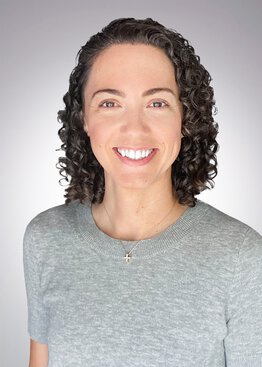
Meredith Flowers, PT, DPT, Ph.D.
Assistant Director, Clinical Education, Doctor of Physical Therapy - Hybrid Program
Assistant Professor, Doctor of Physical Therapy - Hybrid Program
Division of Physical Therapy
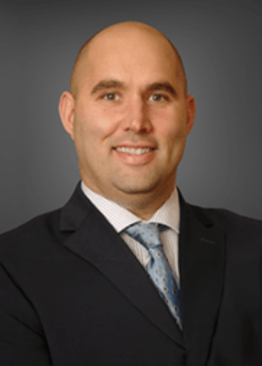
David Griswold, Ph.D., DPT
Associate Professor, Doctor of Physical Therapy – Hybrid Program
Division of Physical Therapy
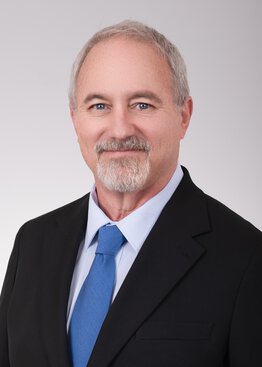
Thomas Longbottom, PT, DPT, NCS-Emeritus
Associate Professor, Doctor of Physical Therapy – Hybrid Program
Division of Physical Therapy
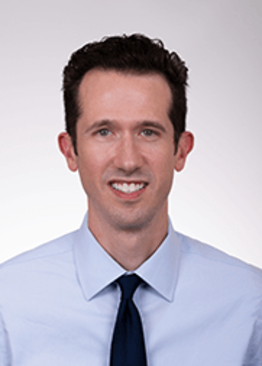
Sean McBride, PT, DPT, Ph.D.
Assistant Professor, Doctor of Physical Therapy – Hybrid Program
Division of Physical Therapy
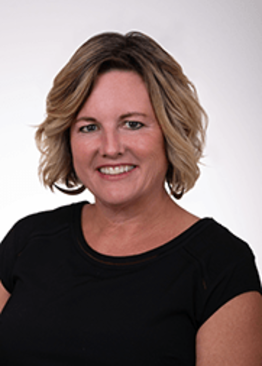
Jennifer Parent-Nichols, DPT, EdD
Assistant Director, Doctor of Physical Therapy – Hybrid Program
Professor, Physical Therapy Division
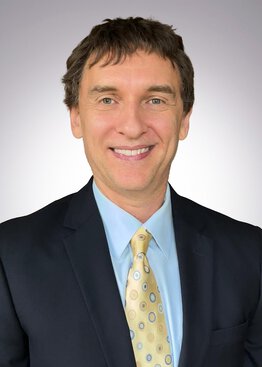
Michael (Mike) Richardson, PT, DPT, DHSc
Director, Clinical Education, Doctor of Physical Therapy – Hybrid Program
Associate Professor, Division of Physical Therapy
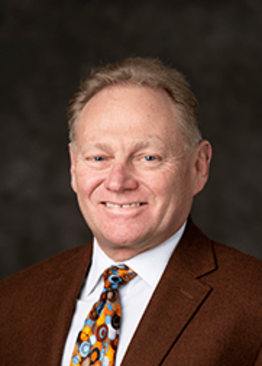
Ronald Schenk, PT, Ph.D.
Professor, Doctor of Physical Therapy – Hybrid Program
Division of Physical Therapy
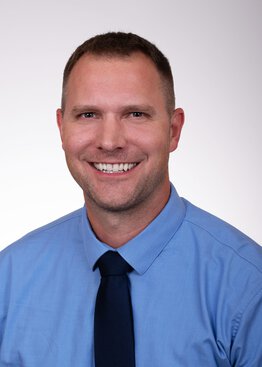
Mark Wilhelm, PT, DPT, Ph.D.
Associate Professor, Doctor of Physical Therapy – Hybrid Program
Division of Physical Therapy
Hybrid DPT Staff
Holly Herzig-Mack
Administrative Coordinator, Doctor of Physical Therapy - Hybrid Program
Division of Physical Therapy
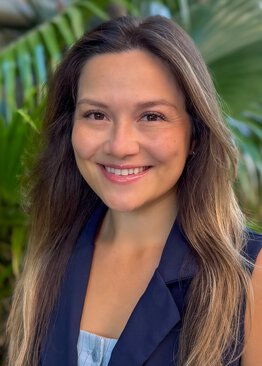
Kayla Westbrook
Administrative Coordinator, Doctor of Physical Therapy - Hybrid Program
Division of Physical Therapy
Accreditation
The Doctor of Physical Therapy at the Medical University of South Carolina is accredited by the Commission on Accreditation in Physical Therapy Education (CAPTE), 3030 Potomac Ave., Suite 100, Alexandria, Virginia 22305-3085; telephone: 703-706-3245; email: accreditation@apta.org; website: http://www.capteonline.org. If needing to contact the program/institution directly, please call 843-792-3326 or email chp-recruit@musc.edu.
For questions or concerns about the program's accreditation or to make any reports to CAPTE, please visit their site.
This accreditation means that our degree program meets or exceeds established national standards for a professional program leading to the Doctor of Physical Therapy degree. Whereas accreditation applies to training programs, licensure applies to individuals. Our program prepares students for and makes them eligible to take the National Physical Therapy Exam (NPTE), which all individuals must pass in order to practice physical therapy. Passing the licensure exam is necessary, but it may not be sufficient to practice physical therapy in a given state. You can find additional requirements for practicing physical therapy in each state at the Federation of State Boards of Physical Therapy.
Doctor of Physical Therapy Program Outcomes
The Doctor of Physical Therapy program will welcome its first hybrid format cohort in fall 2025. Outcome data will be available for the first cohort after they graduate in May 2028.
The proven success of the residential program's curriculum is reflected in exceptional student outcomes. Our national licensure board exam passing rates range from 98-100%, and graduates are well-prepared for physical therapy practice, with 100% securing employment within the first year and some opting for residency education, clinical specialization, or advanced certifications.
Graduation Rates
The two-year average graduate rate for the class of 2023 and 2024 was 96.3%
| Year | Students Entering | Students Graduating | Graduation Rate |
|---|---|---|---|
| 2024 | 68 | 66 | 97.1% |
| 2023 | 68 | 65 | 95.6% |
| 2022 | 68 | 66 | 97.1% |
| 2021 | 64 | 61 | 95.3% |
| 2020 | 64 | 62 | 96.9% |
| 2019 | 64 | 63 | 98.4% |
| 2018 | 63 | 61 | 96.8% |
NPTE Pass Rates
The success of the residential program’s curriculum is evident in exceptional student outcomes. Our National Physical Therapy Exam (NPTE) passing rates range from 98-100%, and graduates are well-prepared for physical therapy practice.
The two-year average NPTE pass rate for the class of 2023 and 2024 was 99.25%.
| Year | First-time Pass Rate | Overall Pass Rate |
|---|---|---|
| 2024 | 89.4% | 98.5% |
| 2023 | 92.3% | 100% |
| 2022 | 92.5% | 100% |
| 2021 | 93.4% | 100% |
| 2020 | 95.2% | 98.4% |
| 2019 | 90.5% |
100% |
Employment Rates
The two-year average employment rate for the class of 2023 and 2024 was 100%.
| Year | Employment Rate |
|---|---|
| 2024 | 100% |
| 2023 | 100% |
| 2022 | 100% |
| 2021 | 100% |
| 2020 | 100% |
| 2019 | 100% |